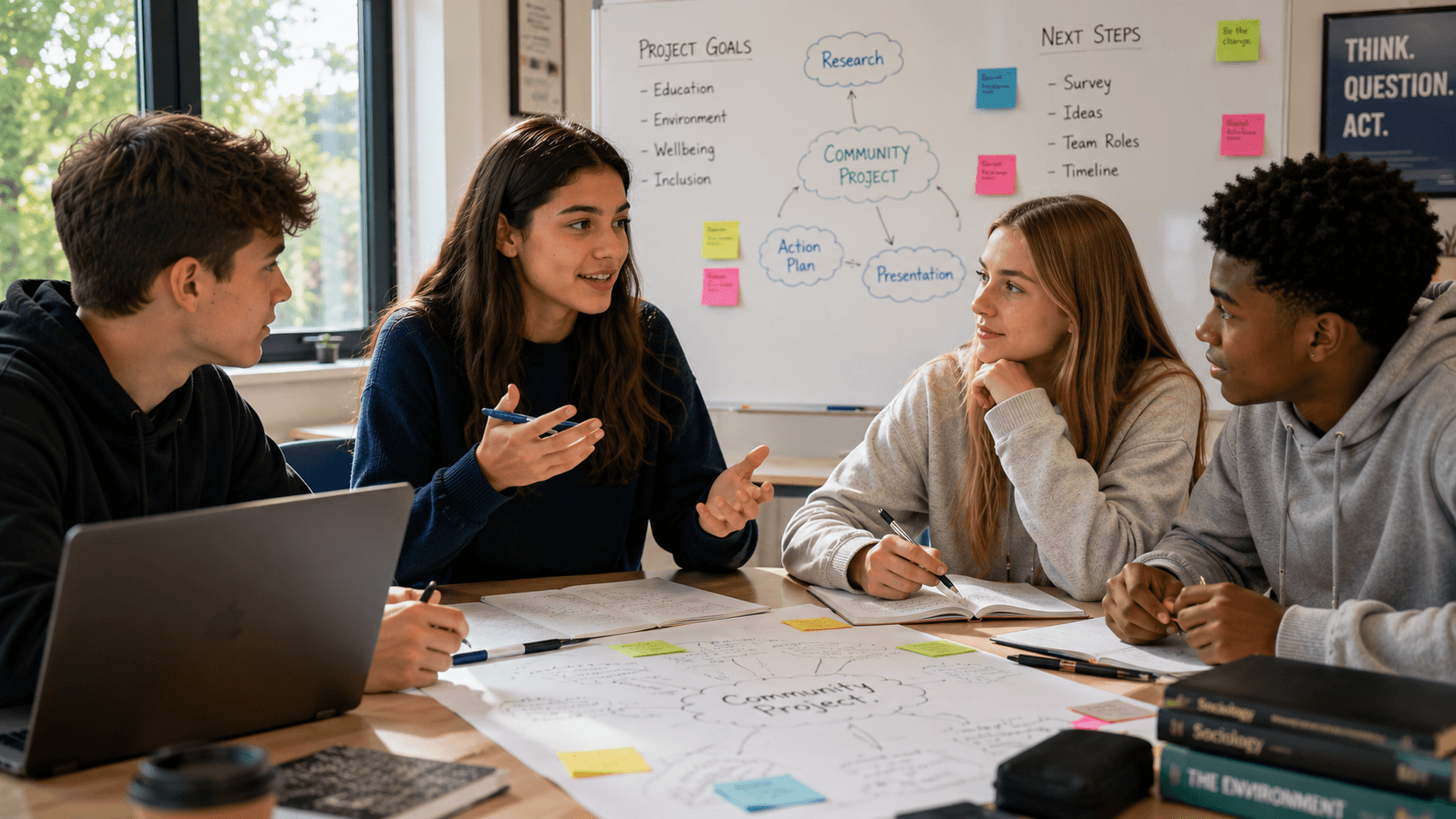
Independent thinking is one of the most valuable skills young people can develop. In a world filled with information, opinions and constant digital influence, independent thinking helps young people build confidence, evaluate ideas and make informed decisions.
Life rarely follows a perfectly smooth path. Every young person will experience setbacks, disappointments and unexpected challenges at some point. However, these experiences do not have to define them. Instead, they can become opportunities for learning, growth and increased confidence.
Resilience in young people refers to the ability to adapt, recover and continue moving forward when facing difficulties. It is not something people are simply born with. Rather, resilience develops over time through experiences, supportive relationships and opportunities to learn from challenges.
Parents and teachers often focus on helping young people succeed. While success is important, learning how to respond when things do not go as planned can be equally valuable. Consequently, resilience becomes one of the most important skills young people can carry into adulthood.
How Independent Thinking Builds Confidence
Many people mistakenly believe resilience means being tough or never feeling upset. In reality, resilient young people still experience disappointment, frustration and uncertainty. The difference is that they learn strategies that help them manage those emotions and continue making progress.
For example, a teenager who receives a lower-than-expected exam result may initially feel disappointed. However, instead of viewing the result as a permanent failure, they might reflect on what happened, seek support and develop a new plan for improvement.
Similarly, a young person who struggles in a sports competition may learn valuable lessons about perseverance, effort and preparation.
These experiences help build resilience because they teach that setbacks are temporary and manageable.
Why Independent Thinking Matters in a Digital World
Challenges are often uncomfortable. Nevertheless, they can play an important role in personal development.
When young people encounter manageable difficulties, they have opportunities to develop problem-solving skills, confidence and independence. Furthermore, overcoming obstacles often creates a sense of achievement that cannot be gained through easy success alone.
Imagine a young person learning to ride a bicycle. Most people do not succeed immediately. There may be falls, frustration and moments of self-doubt. Yet each attempt provides new information and experience. Eventually, success becomes possible because of persistence rather than perfection.
The same principle applies to education, friendships, hobbies and future careers.
Building Resilience in Young People Through Supportive Relationships
Strong relationships are one of the most powerful factors influencing resilience in young people.
Young people who feel supported by trusted adults often develop greater confidence when facing difficulties. They know someone believes in them and is available when guidance is needed.
Parents can support resilience by:
- Listening without immediately solving every problem.
- Encouraging effort rather than focusing only on results.
- Helping young people reflect on experiences.
- Recognising strengths and progress.
- Modelling positive responses to challenges.
Teachers can contribute by creating learning environments where mistakes are viewed as opportunities to learn rather than reasons for embarrassment.
As a result, young people become more willing to take healthy risks, try new things and develop confidence in their own abilities.
Why Mistakes Can Be Valuable
Many young people fear making mistakes. Unfortunately, this fear can sometimes prevent learning and growth.
Mistakes often provide some of the most valuable learning opportunities. They reveal what does not work, highlight areas for improvement and encourage creative problem-solving.
For instance, a student who struggles with a project may discover a new approach after reflecting on what went wrong. Likewise, a young person who experiences difficulties within a friendship may learn important communication skills.
Instead of asking, “How can I avoid mistakes?” it can be helpful to ask, “What can I learn from this experience?”
This shift in thinking encourages resilience and supports long-term development.
Encouraging Independence and Responsibility
Another important part of resilience in young people involves developing independence.
Although adults naturally want to help, solving every problem on behalf of a young person can unintentionally reduce opportunities for growth.
Instead, supportive adults can guide young people through challenges while allowing them to take ownership of solutions.
For example:
- Encourage them to identify possible options.
- Ask open-ended questions.
- Support decision-making.
- Allow appropriate responsibility.
- Celebrate effort and initiative.
Over time, these experiences help young people trust their own judgement and develop confidence in their ability to manage future situations.
The Role of Strengths in Resilience
Every young person has unique strengths. Some may excel in creativity, while others demonstrate leadership, curiosity, empathy or determination.
Recognising these strengths can significantly support resilience.
When young people understand what they do well, they often feel more capable of tackling difficulties. Furthermore, strengths can provide valuable tools for overcoming challenges.
For example:
- Creative thinkers may discover innovative solutions.
- Strong communicators may seek support effectively.
- Determined individuals may persist through setbacks.
- Empathetic young people may build supportive friendships.
A strengths-based approach encourages young people to see themselves as capable individuals with valuable qualities rather than focusing solely on areas they find difficult.
How Schools Can Support Resilience in Young People
Schools play a significant role in helping young people develop resilience.
Beyond academic learning, schools provide opportunities for teamwork, leadership, problem-solving and personal growth.
Practical ways schools can encourage resilience include:
- Promoting a positive learning culture.
- Encouraging participation in extracurricular activities.
- Recognising effort and improvement.
- Teaching problem-solving strategies.
- Creating safe opportunities for challenge and responsibility.
Additionally, schools can help students understand that learning often involves trial and error. This mindset supports confidence and encourages persistence.
Preparing Young People for an Uncertain Future
The future will undoubtedly bring change. New technologies, evolving careers and shifting social environments will require adaptability and lifelong learning.
Therefore, resilience in young people may become increasingly important.
Young people who develop resilience are often better equipped to:
- Adapt to change.
- Learn new skills.
- Navigate uncertainty.
- Build positive relationships.
- Continue growing throughout life.
Rather than preparing young people for one specific future, resilience helps prepare them for many possible futures.
Small Everyday Actions That Build Resilience
Building resilience does not require dramatic events. In fact, many opportunities occur in everyday life.
Parents, teachers and mentors can encourage resilience by:
- Praising effort and persistence.
- Encouraging problem-solving.
- Discussing challenges openly.
- Modelling positive coping strategies.
- Supporting healthy routines.
- Celebrating progress.
- Encouraging participation in new activities.
Over time, these small experiences combine to create stronger confidence and greater adaptability.
Final Thoughts
Resilience in young people is not about avoiding difficulties or pretending challenges do not exist. Instead, it is about developing the confidence, skills and mindset needed to navigate those challenges successfully.
Supportive relationships, opportunities for independence, recognition of strengths and a positive approach to learning all contribute to resilience.
Most importantly, resilience can be developed. Through encouragement, understanding and experience, young people can learn to view setbacks as opportunities for growth rather than barriers to success.
When we help young people build resilience, we are not simply preparing them for today’s challenges. We are helping them develop the confidence and adaptability needed for the future.
Disclaimer
This article is provided for general educational and informational purposes only. Kids Fitness First does not provide medical, psychological, diagnostic or therapeutic advice. Every child and young person is unique, and experiences may vary.
If you have concerns about a child’s health, wellbeing or development, please seek advice from an appropriately qualified healthcare, education or support professional.
Kids Fitness First promotes a strengths-based approach that encourages understanding, confidence, participation and positive development for all children and young people.