
Digital Balance
Understand digital habits without shame, blame or one-size-fits-all rules.
A flexible modular programme for young people aged 16–24
Kids Fitness First helps young people aged 16–24 turn digital interests, creativity and potential into confidence, practical skills and real-world opportunities—one achievable module at a time.

The challenge
Screens can support learning, comfort, connection and creativity. They are part of modern life—and Kids Fitness First is not anti-technology.
Learning · Connection · Comfort · Creativity
Movement · Routines · Relationships · Experience
The goal is not restriction for its own sake. It is a healthier, more useful balance.
The solution
The developing programme divides personal and practical development into smaller, manageable modules. Young people can explore routes that reflect their interests, strengths and starting points.
Understand digital habits without shame, blame or one-size-fits-all rules.
Build self-belief through achievable activity and visible progress.
Explore design, content, technology and creative problem-solving.
Practise communication, shared decisions and working with others.
Connect ideas with hands-on, community or technical activity.
Take introductory steps towards training, experience and employment.
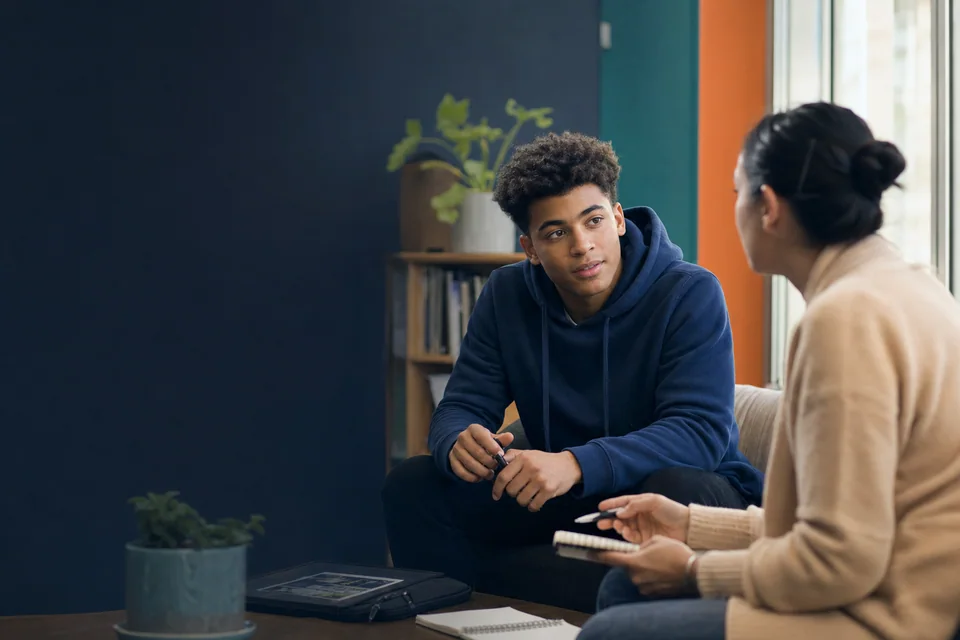
Illustrative imagery · These photographs represent possible programme themes and do not depict delivered Kids Fitness First sessions.
Different modules. Different strengths. One stronger future.
Translating digital strengths
Digital activity can reveal useful abilities. The modular approach helps a young person recognise those abilities, try them in a practical setting and explore where they might lead.
may connect with planning, decision-making and teamwork.
may connect with creativity, spatial awareness and technical development.
may connect with communication, planning and project management.
may connect with research, problem-solving and practical learning.
These are possible pathways, not guaranteed outcomes.
Flexible programme delivery
Delivery can take the form of a focused cohort, a partner-led scheme or a broader programme as opportunities and resources allow. The scale remains flexible so each arrangement can be shaped around the setting, the young people and the partners involved.
Possible modules
Modules can be selected and shaped around the young person and the practical opportunities partners can provide.
 Illustrative image
Who may benefit
The programme may benefit young people aged 16–24 who want an accessible step towards greater confidence, participation and direction.
Partnership opportunity
A flexible programme needs practical allies. Kids Fitness First is seeking technology companies, employers, local businesses, colleges, training providers, local authorities, foundations, community organisations and mentors.
Sponsor a module
Support programme delivery
Provide mentors
Offer work experience
Donate equipment or facilities
Support independent evaluation
Create progression opportunities
Articles
Longer-form posts about ADHD, neurodiversity, wellbeing and recognising strengths.
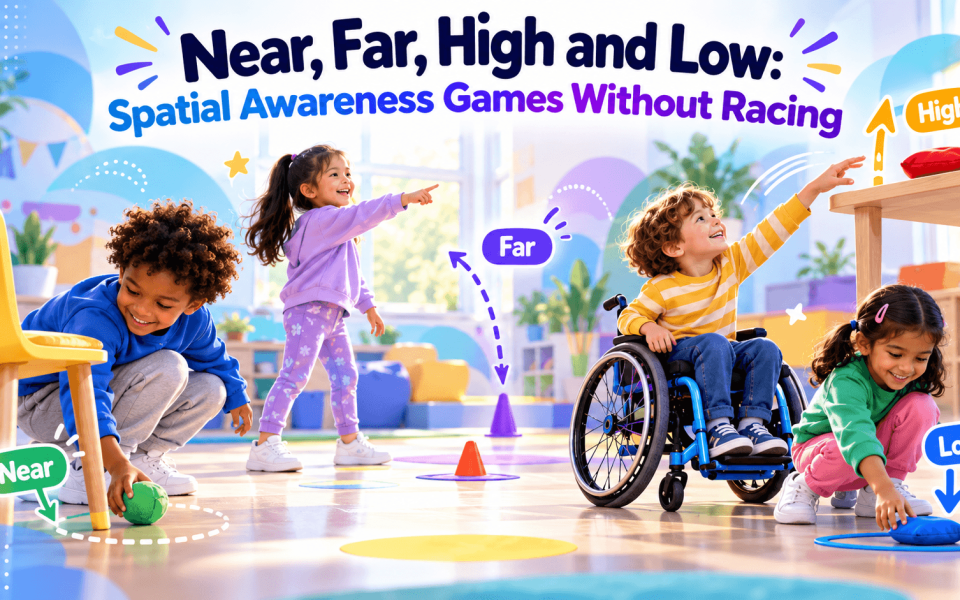
Five spatial-awareness activities using near, far, high and low without timed races.
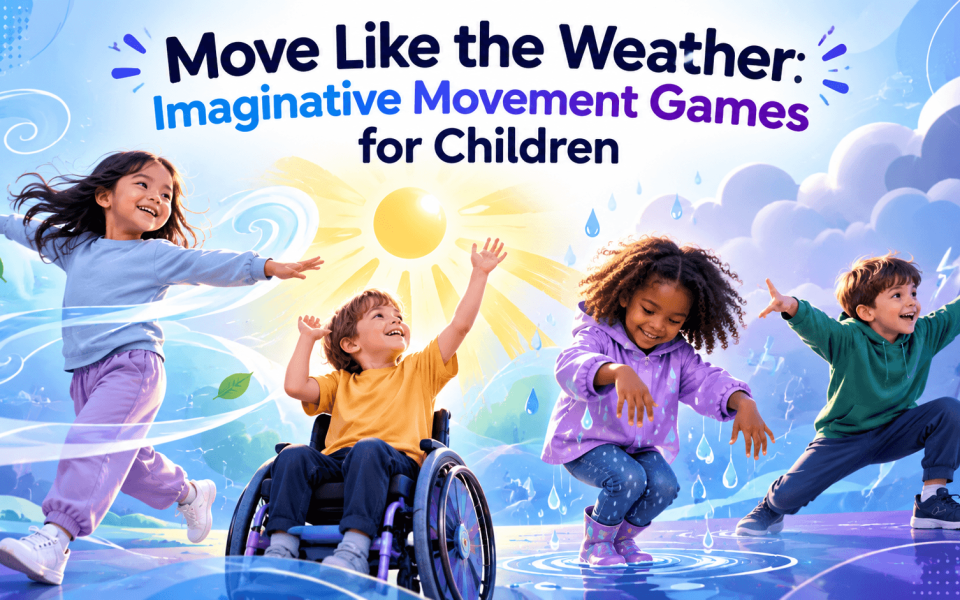
Five weather-themed movement games with seated, standing and wheeling options for children.
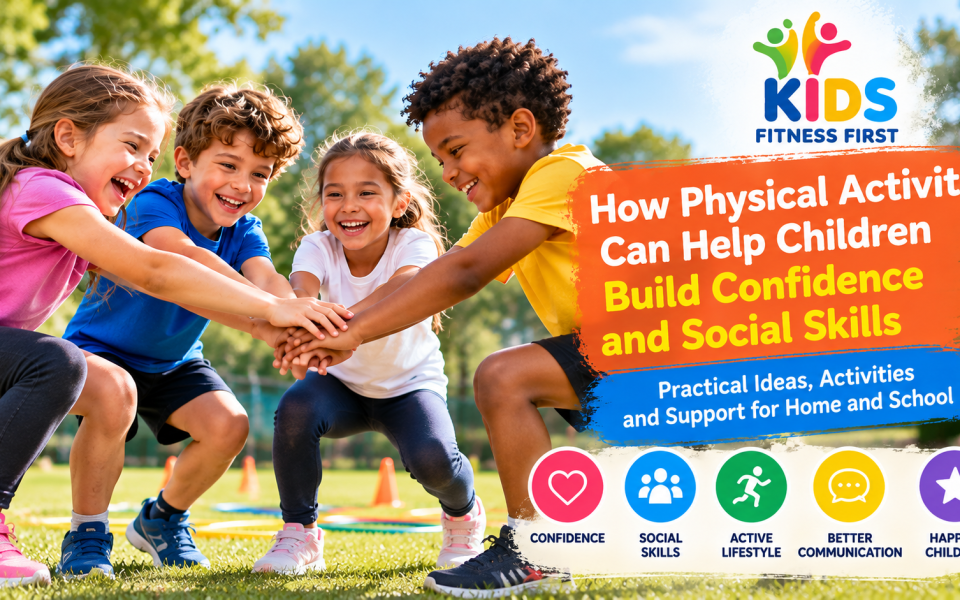
Four cooperative games that help children join in without scores, races or pressure to win.
Trust and governance
Kids Fitness First is registered in England and Wales. The programme is developing; the site does not claim results that have not yet been achieved.
Download the FREE first chapter of The X Variable and discover every child’s hidden strengths.
Instant PDF Download
Practical Guidance