Our Approach
At Kids Fitness First, we work from a simple but often overlooked understanding:
many children and young people struggle not because they lack ability, but because their strengths are misunderstood or poorly supported by their environment.
Our approach is informed by a neurodiversity-affirming view of development. We recognise that people think, feel, focus, and regulate differently. These differences are not deficits. They are variations in how ability shows up — and they often require different conditions to be recognised and expressed.
What can appear as difficulty in one setting may be a specialised strength in another. Families can explore this principle through Recognising Different Strengths and Different Ways of Learning. Our For Families pathway brings these ideas together with practical family guidance.
Strength First, Not Deficit Led
We do not begin by asking what is wrong.
We begin by asking where ability is being blocked, misread, or under-expressed.
Rather than trying to correct behaviour in isolation, we focus on:
recognising strengths early
reducing unnecessary conflict and pressure
creating environments where success is visible and achievable
This strength-first approach helps children and young people build confidence without shame, comparison, or constant correction.
From Digital Interest to Real-World Expression
We recognise that digital life is now part of everyday experience. Screens can offer learning, creativity, comfort, and connection — and they often reveal strengths early, such as pattern recognition, strategic thinking, creativity, or deep focus.
Our aim is not to remove technology. Our Supporting Digital Balance guidance looks more closely at creating room for sleep, movement, relationships, responsibilities and practical activity alongside digital life.
Our aim is to support balance, so that ability does not remain trapped in simulation, but can be expressed through real-world experience, movement, and participation.
Why the Body Matters
Thinking alone is not enough.
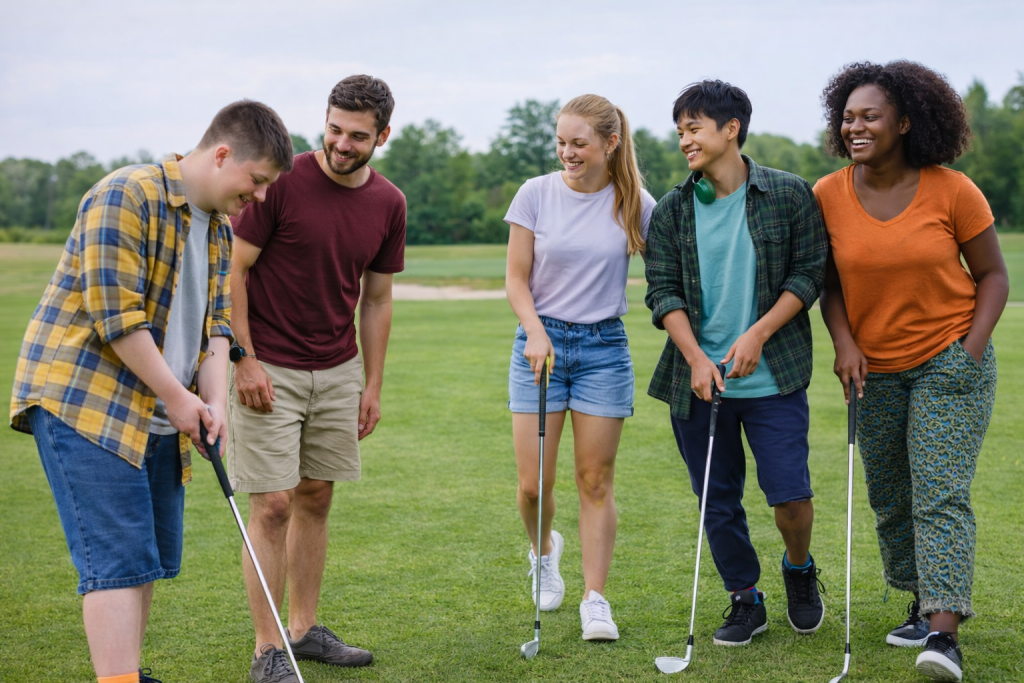
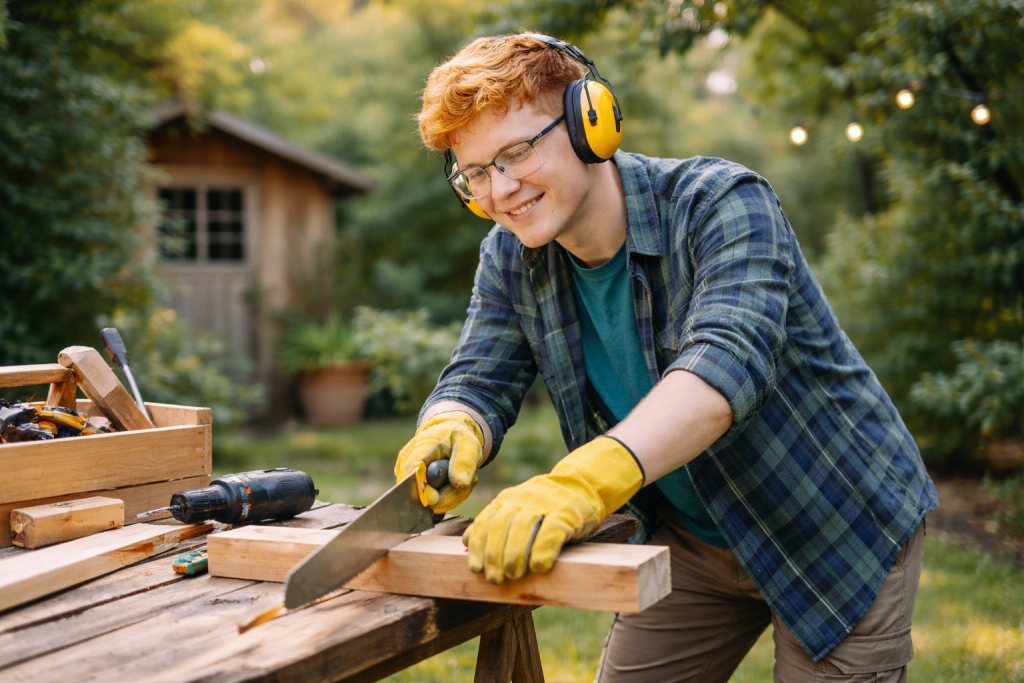
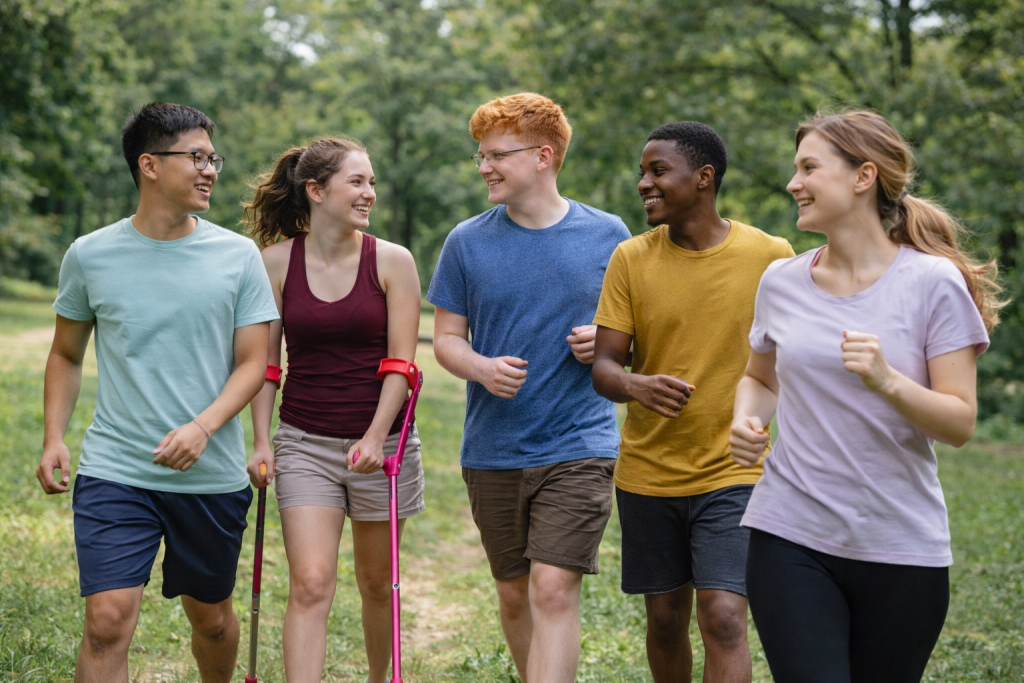
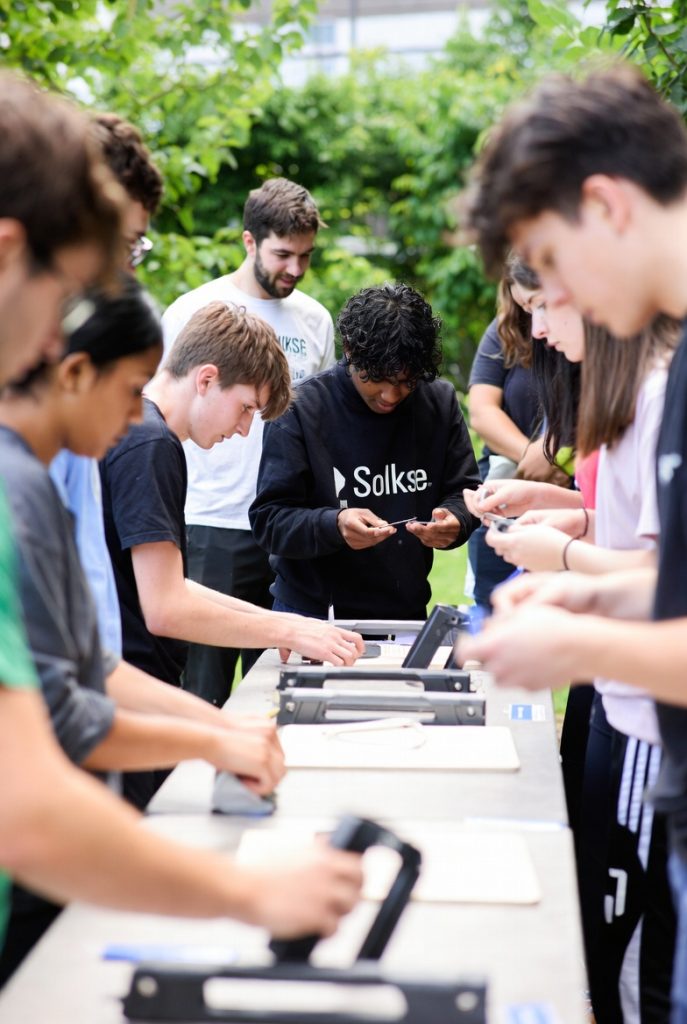
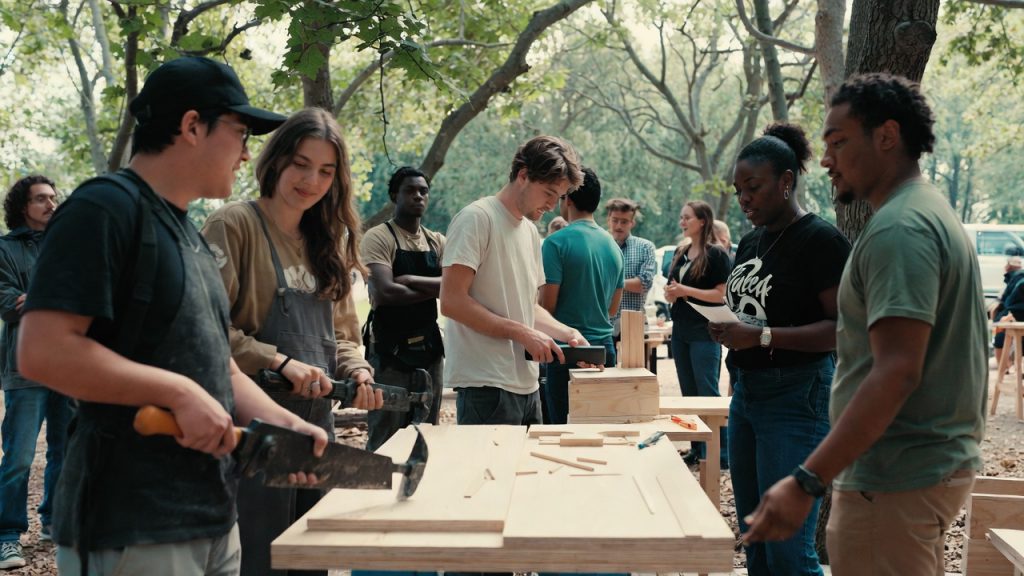
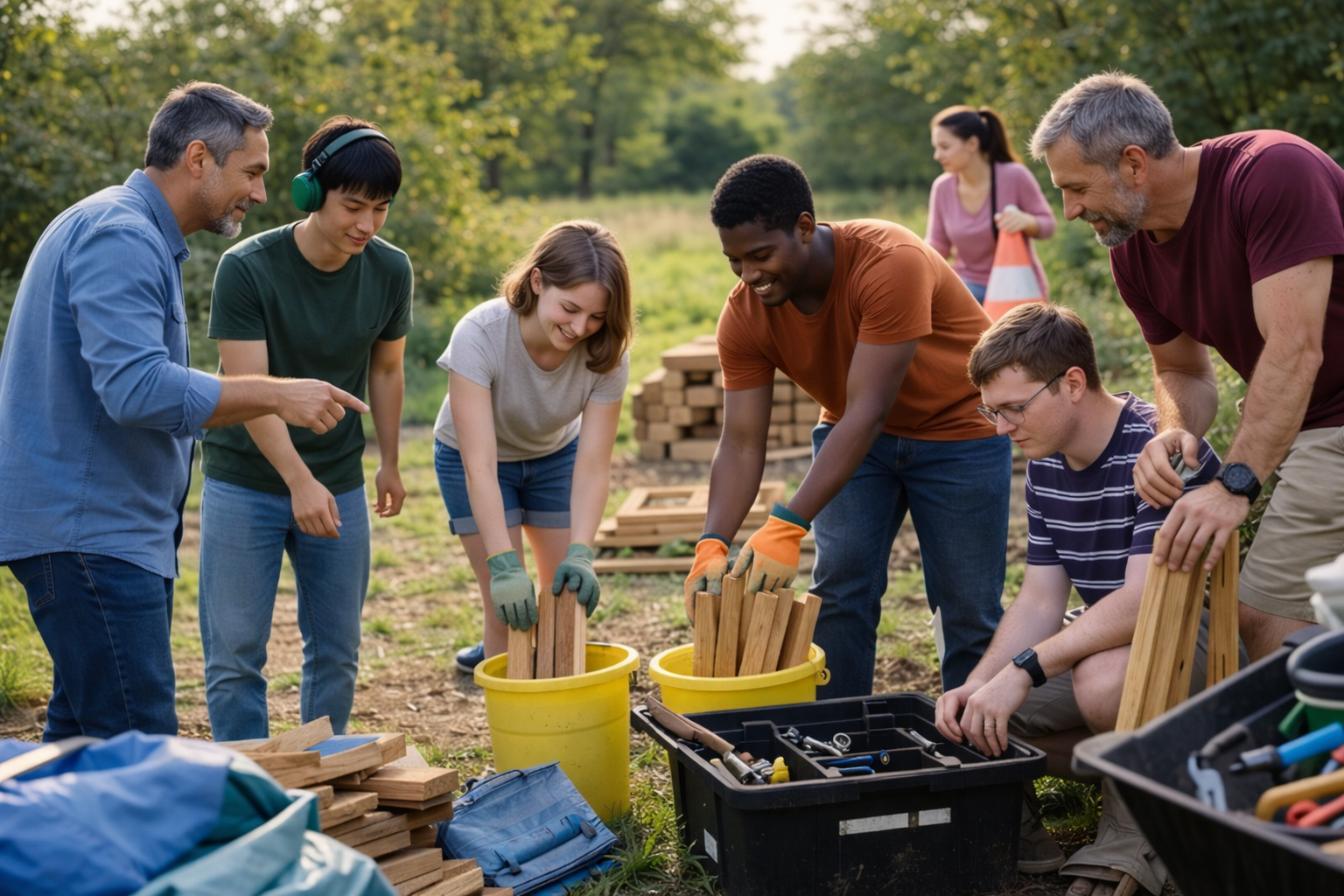
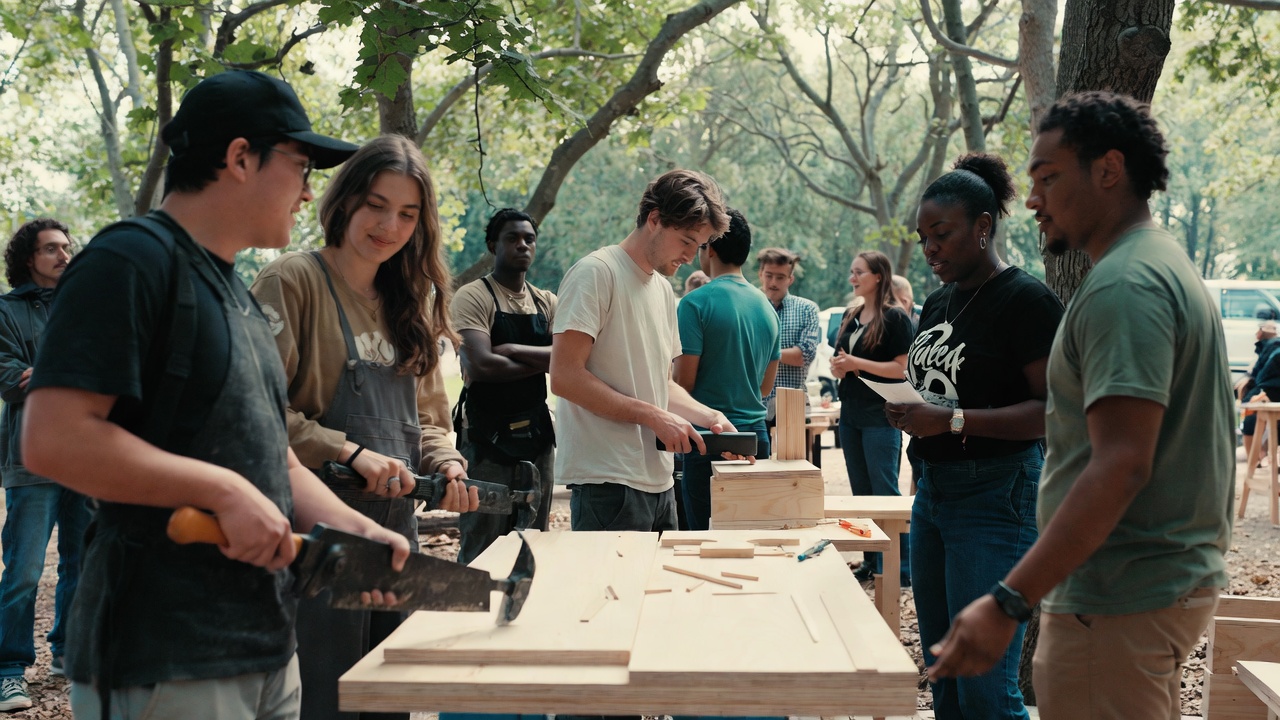
Confidence, regulation, and self-belief are built through doing — through physical, practical, and hands-on experience. Movement and outdoor activity are not used as punishment or reward, but as tools for grounding, expression, and capability.
By engaging the body, we help young people:
regulate internal pressure
experience tangible achievement
develop confidence through action
connect thought with lived experience
How We Put This Into Practice
Our work focuses on three connected outcomes:
Regulation through movement
Supporting calm, stability, and focus through physical and hands-on activity.Translation of strengths
Helping turn internal abilities and digital interests into real-world skills, participation, and confidence.Support for the adults around the child
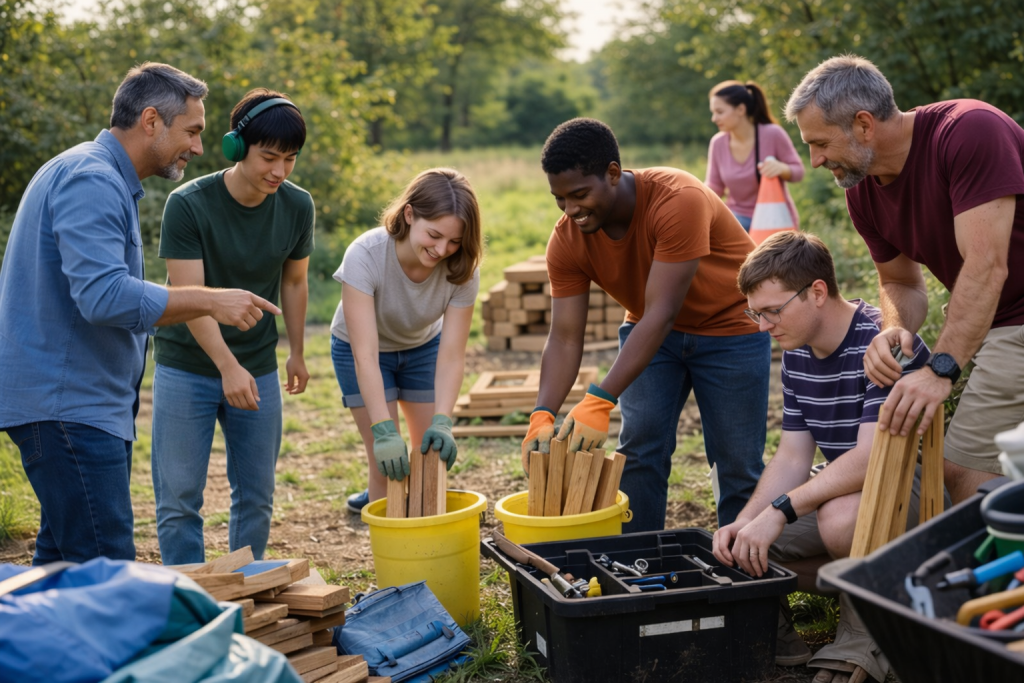
Working with parents, educators, and partners to create environments where strengths can be recognised and sustained. We do not offer one-size-fits-all solutions.
We offer informed, practical pathways that respect difference and build independence.
Who This Approach Is For
Our approach supports:
children and young people whose strengths are often misunderstood
neurodivergent individuals who need different conditions to thrive
families seeking clarity without blame
schools and community partners looking for constructive, strength-based support
What this looks like in practice
Our approach connects understanding with practical action. For families, that can mean identifying a young person’s strengths, adjusting unnecessary sources of pressure, creating achievable real-world experiences and building confidence through repeated evidence of capability.
Parents can explore our support for parents, our guidance on strengths-based parenting and different ways of learning. For teenagers, our resources cover practical areas including confidence, communication and adaptability.
We do not train children to fit systems. We help the adults and environments around them understand how strengths can be recognised, supported and translated into practical participation.