YOU ARE NOT ALONE
If you are here, it is likely because you sense that your child has strengths that are not always understood or supported in everyday environments.
Many parents tell us the same things:
“My child is capable, but struggles in certain settings.”
“They think deeply, but don’t always fit expectations.”
“They thrive in some spaces and shut down in others.”
These experiences are far more common than many people realise — and they are not a reflection of poor parenting or a lack of effort.
UNDERSTANDING DIFFERENCE WITHOUT BLAME
At Kids Fitness First, our work is informed by a neurodiversity-affirming understanding of development.
We recognise that many children and young people think, feel, and regulate differently. These differences are not deficits. They are variations in how ability shows up — and they often require different environments in order to be recognised and expressed.
What can look like difficulty in one environment may be a specialised strength in another.
WHY CHALLENGES OFTEN APPEAR AT HOME OR SCHOOL
Modern life places heavy demands on children and young people:
long periods of sitting still
constant transitions
pressure to conform
increasing digital exposure
For those whose nervous systems work differently, these pressures can show up as:
emotional overwhelm
withdrawal or frustration
conflict around routines
reliance on screens for comfort or regulation
This does not mean screens are the cause. Often, they are the place where a young person feels most competent, calm, or in control.
The question is not how to remove interests — but how to translate them into confidence in the real world.
WHY MOVEMENT AND REAL-WORLD EXPERIENCE MATTER
Confidence is not built through explanation alone.
It is built through doing.
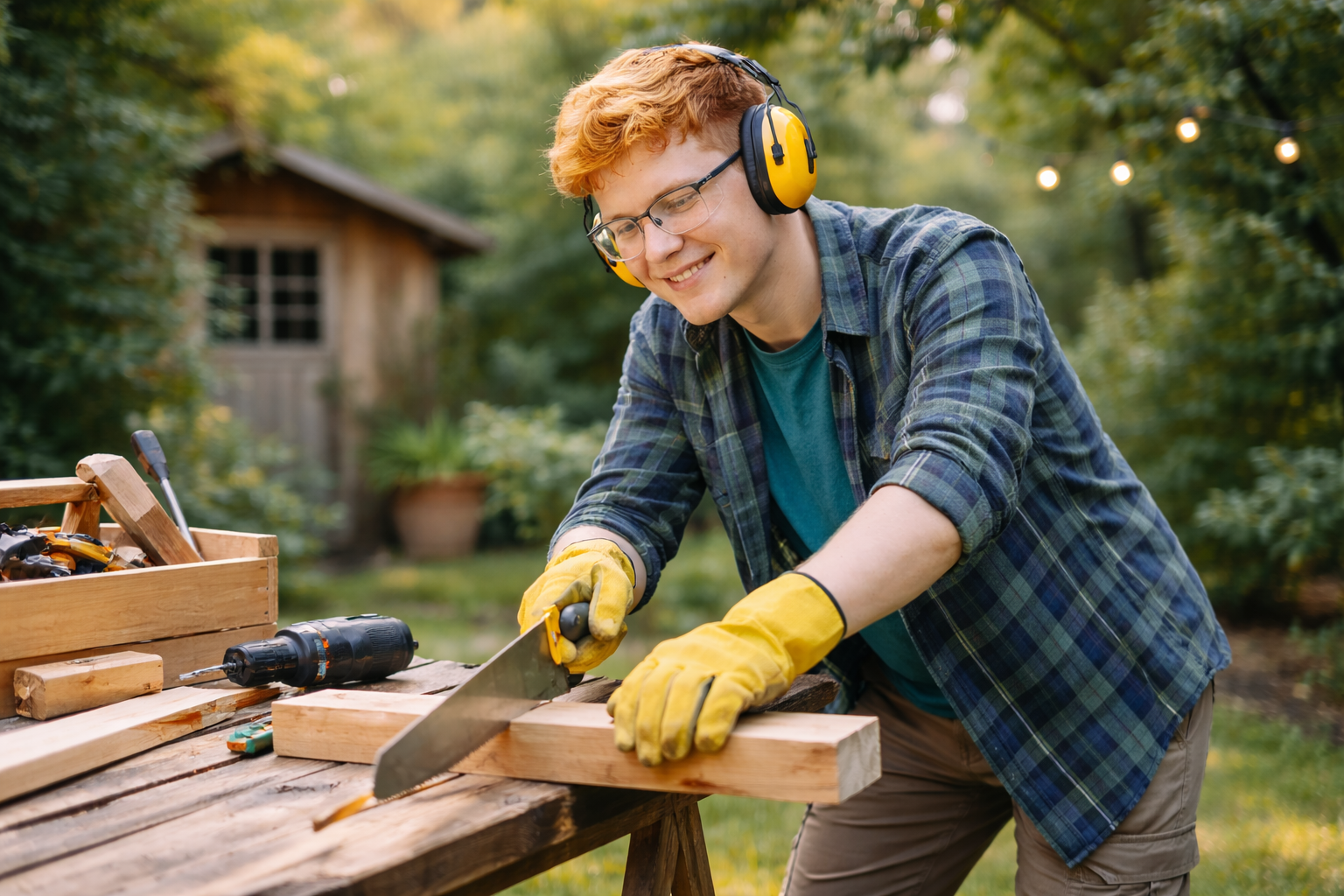
Physical and hands-on activity can help young people:
-
regulate internal pressure
-
ground intense thinking
-
experience achievement that feels real
-
reconnect with their body and environment
Movement is not about discipline or “burning off energy.”
It is a way to build self-trust, capability, and confidence through action.
SUPPORTING YOUR CHILD WITHOUT CONSTANT CONFLICT
Our approach is not about rigid rules, targets, or one-size-fits-all solutions.
Instead, we encourage parents to:
notice where your child feels capable
observe which environments increase stress
reduce unnecessary confrontation
create opportunities for movement, outdoor time, and practical engagement
Small changes in environment often lead to meaningful changes in behaviour.
When a child feels understood, pressure reduces — and progress becomes possible.
YOU DON’T HAVE TO NAVIGATE THIS ALONE
Parenting a child who thinks differently can feel isolating, especially when advice is conflicting or overly simplistic.
At Kids Fitness First, we aim to:
offer clarity without judgement
support balance without blame
help families build confidence step by step
When strengths are recognised and supported early, children grow into young people who trust themselves and their abilities.
A FINAL REASSURANCE
Your child is not broken.
You are not failing them.
With the right understanding and the right conditions, strengths that are currently hidden can become visible, practical, and empowering.