About Kids Fitness First
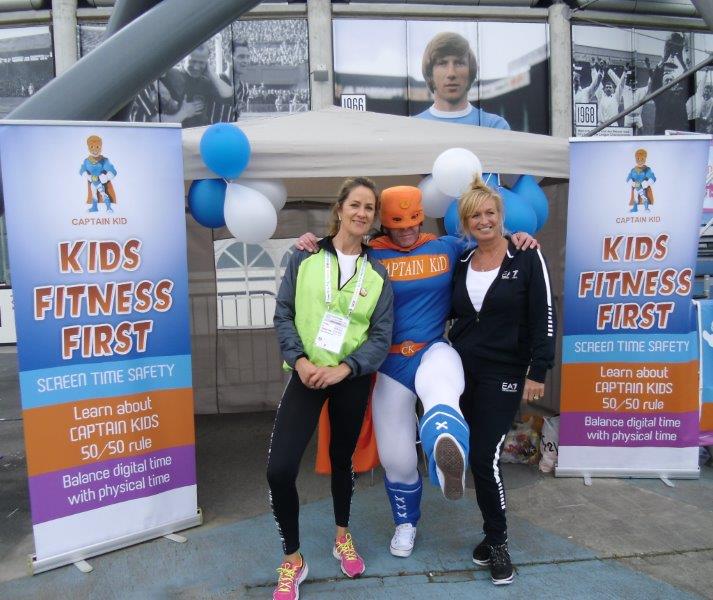
Kids Fitness First is a registered charity supporting children, young people, and young adults who may be misunderstood in conventional settings—not because they lack ability, but because their strengths do not always translate easily into everyday routines and real-world confidence. Many of the individuals we support, particularly those who sit across the neurodiversity spectrum, may gravitate towards increased screen use as a source of comfort, focus, or respite. While appropriate screen time can play a positive and supportive role, an over-reliance on digital environments can, over time, limit physical engagement, social confidence, and practical life skills. Our work recognises this balance and seeks to support healthier, more sustainable pathways that reconnect individuals with the physical world, movement, and real-world capability.
Our work is informed by a neurodiversity-affirming understanding of development. We recognise that many children and young people think, feel, and process the world differently, including those who are neurodivergent. These differences are not deficits; they are variations in how ability shows up, and they often require different environments in order to be understood and expressed.
We recognise that people think and regulate differently. What can look like difficulty in one environment may be a specialised strength in another. Our approach is strength-first: we focus on recognising ability, reducing unnecessary conflict, and creating practical pathways for movement, outdoor time, and real-world participation.
We also recognise that digital life is now normal. Screens can offer learning, comfort, and connection—and can often reveal strengths early. Our aim is not to remove technology, but to support balance, so that ability does not remain trapped in simulation and can become lived confidence and independence.
Who We Are….
We are a modern charity responding to modern life: high digital exposure, rising anxiety, and increasing numbers of young people whose strengths are misread as behavioural problems.
We support a healthier, calmer pathway by helping families, schools, and communities recognise strengths early—and build real-world routines that support confidence, regulation, and independence.


What We Do
Kids Fitness First provides practical resources and introductory support to help children, young people, and young adults build balance between digital life and real-world engagement. Our work focuses on three outcomes
Regulation through movement: physical and hands-on activity that supports calm, stability, and confidence.
Translation of strengths: turning digital interests (strategy, design, gaming, systems thinking) into real-world skills and participation.
Support for adults around them: helping parents, educators, and partners create environments where success is visible and sustainable.
We do not promote shame, blame, or one-size-fits-all rules. We promote informed choice, realistic routines, and accessible ways to build a life that works.
As part of our work
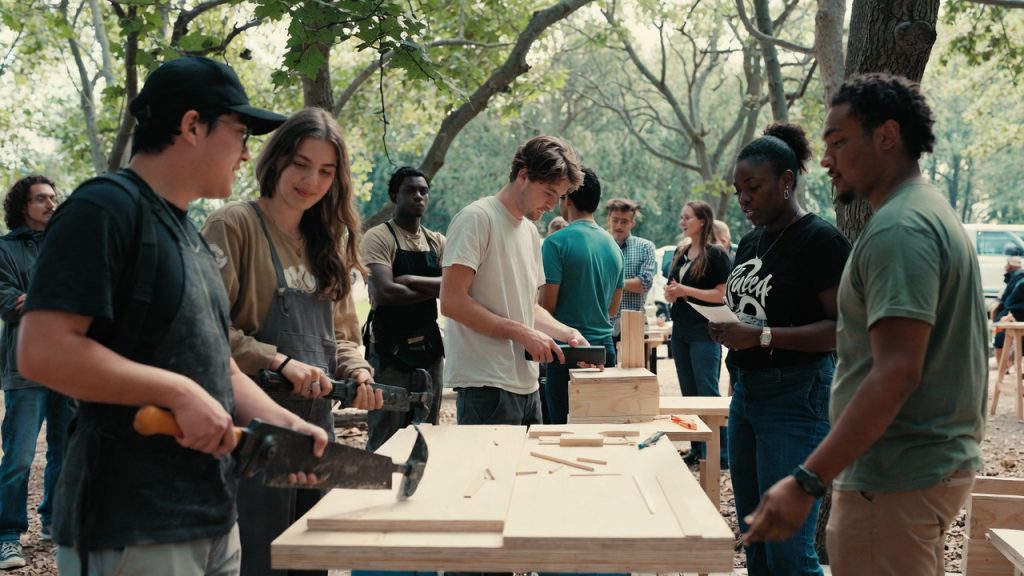
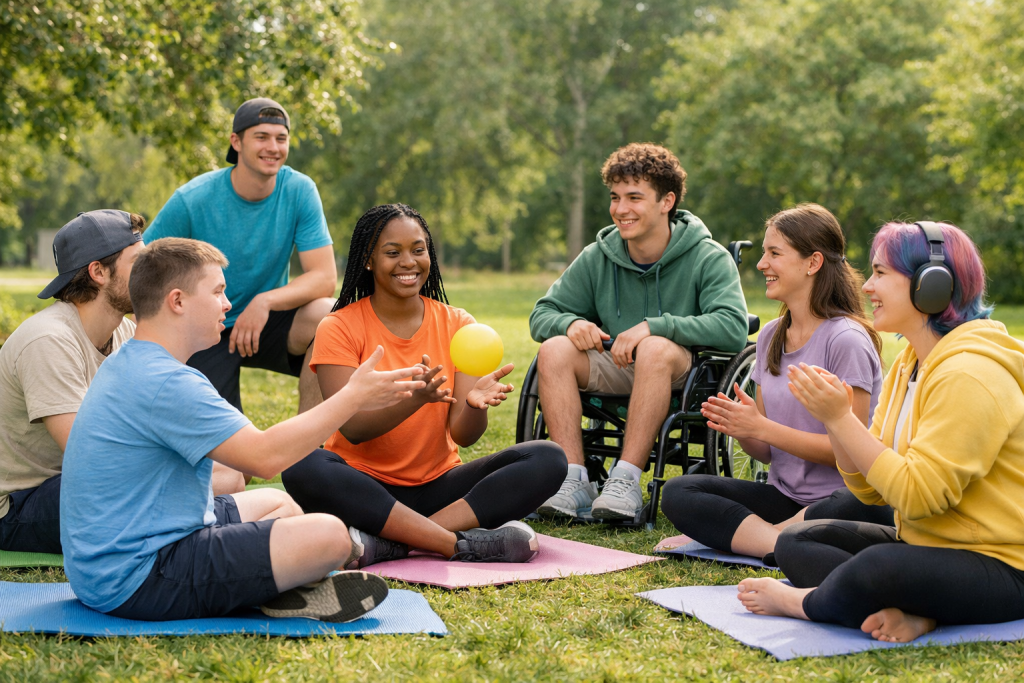
We support young adults aged 16 to 25 in developing a clearer understanding of balance between screen use, physical activity, and everyday wellbeing. Our approach focuses on awareness and informed choice rather than restriction, recognising that individual needs and circumstances vary widely.
Through our information and introductory engagement, we encourage young adults to reflect on how movement, routine, outdoor time, and social connection can play a positive role in daily life. The emphasis is on exploring realistic, sustainable ways to include activity and balance alongside digital life, in a manner that feels achievable and personally meaningful.
Our Gallery
Our Latest Posts

Superpowers in Disguise: Recognising Strengths Others Often Miss
Many forms of ability are not absent but overlooked. This chapter explores how strengths such as pattern recognition, systems thinking, creativity, and deep focus often develop beneath the surface, and why recognising these strengths requires a shift in how we understand ability and environment.

Reframing Difference: Understanding Ability Through Context
Reframing Difference: When Common Struggles Are Signs of Heightened Ability Modern education and work environments

Neurodiversity and Cognitive Operating Systems: Why Ability Is Often Misunderstood
Neurodiversity as Different Cognitive Operating Systems Modern society is built on the assumption that people
Our Partners