KIDS FITNESS FIRST

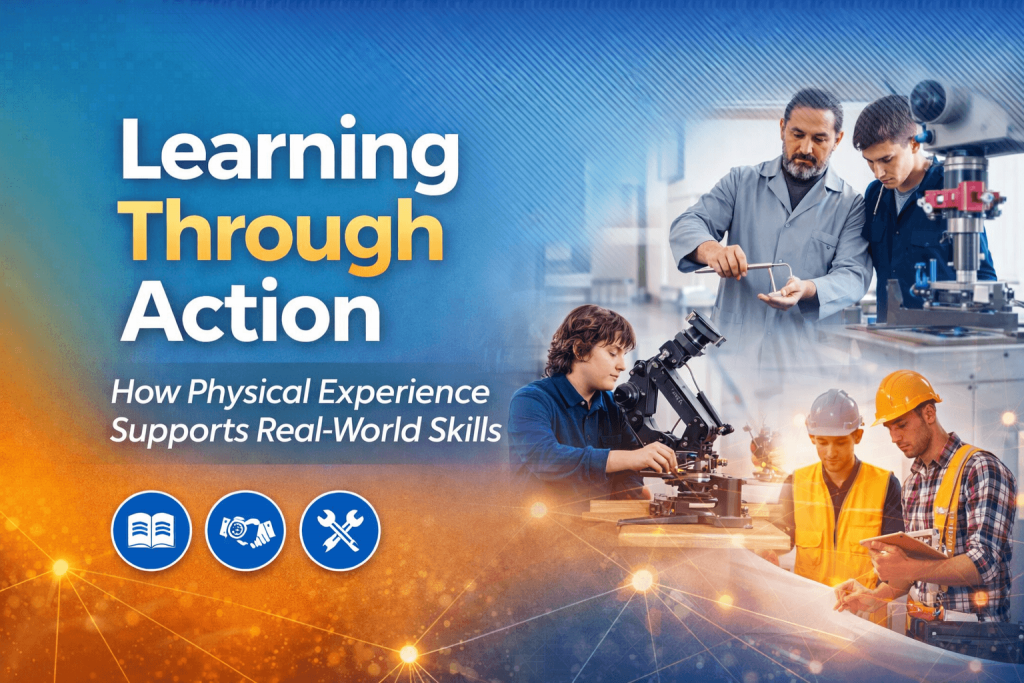
Learning through action illustrated by hands-on activities, including technical training, guided instruction, and real-world skill application.

From Screen to Real-World Skills: How Physical Learning Transforms Knowledge into Action

Understanding Movement as a Foundation for Learning and Development

Young woman stretching outdoors in a calm environment, representing physical movement, focus, and body awareness.

In many environments, physical activity is often viewed through a narrow lens. It is frequently used as a tool to manage behaviour, release energy, or correct outcomes. However, this perspective overlooks a far more important reality.

The body is not separate from learning—it is central to it.

Rethinking Movement

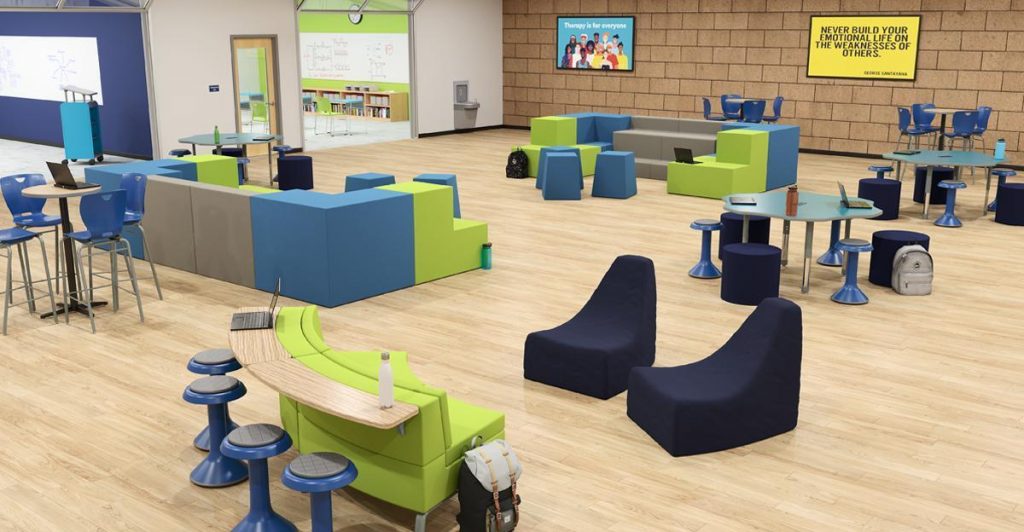
Flexible learning space with modular seating, open layout, and areas designed for movement and collaboration.

Movement plays a critical role in how individuals regulate themselves, maintain focus, and engage with their surroundings. It is not simply an outlet; it is a mechanism through which understanding develops.

When individuals move, they are not just being active—they are processing information, adjusting to their environment, and building internal awareness. Physical activity helps create a state where attention becomes more stable, engagement becomes more natural, and learning becomes more accessible.

In my opinion, one of the most significant shifts in modern education comes from recognising that learning does not begin with instruction—it begins with regulation. And regulation often starts with the body.

From Activity to Engagement

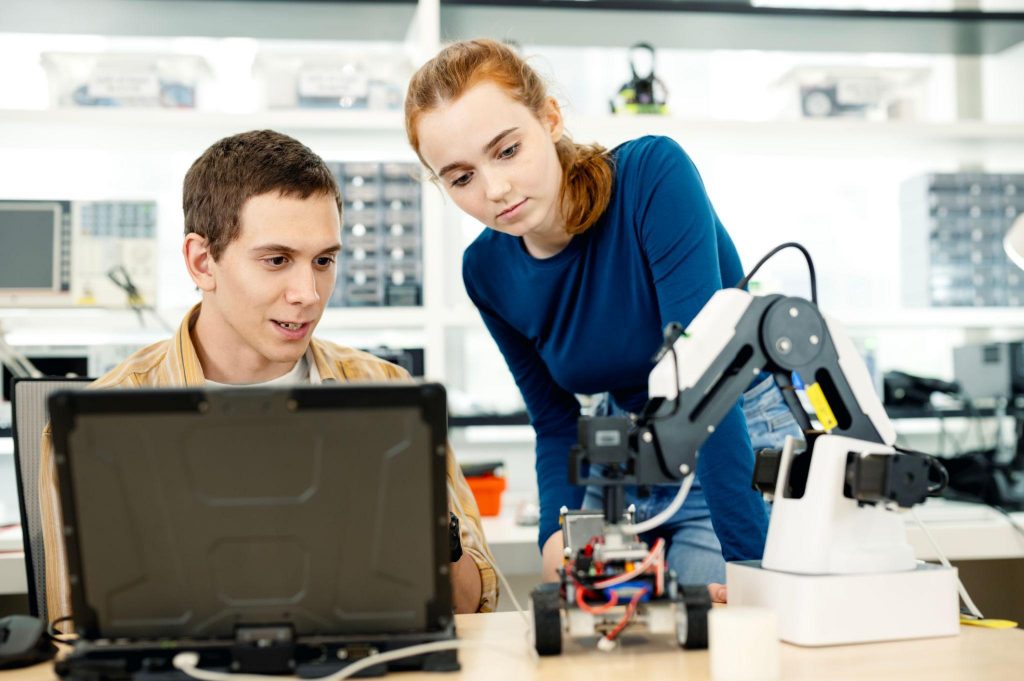
Two students working together on a robotics project, demonstrating hands-on learning, problem-solving, and practical engagement.

Hands-on experiences provide a powerful bridge between movement and meaningful learning. Activities such as building, assembling, designing, or working with tools allow individuals to:

  • Direct energy into purposeful action
  • Experience cause and effect in real time
  • Develop coordination and problem-solving skills
  • Build confidence through visible progress

These are not secondary benefits—they are core components of development.

When learning becomes physical, it becomes tangible. Progress can be seen, felt, and understood, rather than abstract or distant.

Building Confidence Through Action

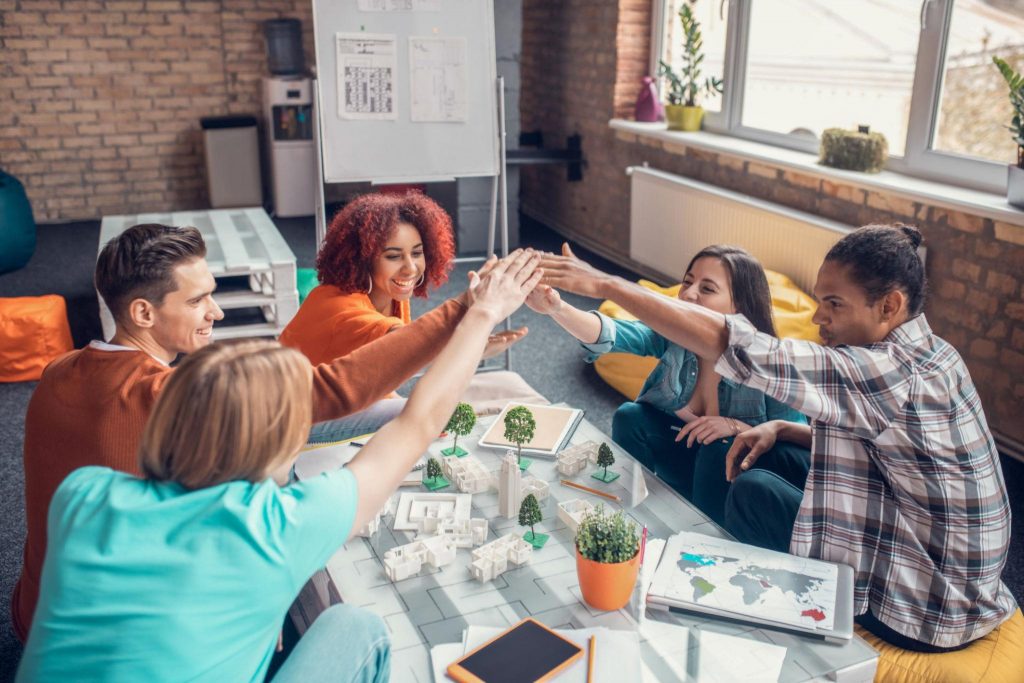
Group of young people collaborating on a project and celebrating success together, representing teamwork, confidence, and shared achievement.

Confidence is often treated as something that needs to be taught or encouraged through words. In reality, it is more often built through experience.

When individuals engage in physical, hands-on activity:

  • They complete tasks
  • They overcome small challenges
  • They see results from their efforts

This creates a natural sense of capability.

Confidence, in this context, is not imposed—it is developed. It grows through doing, not through being told.

A Shift in Perspective

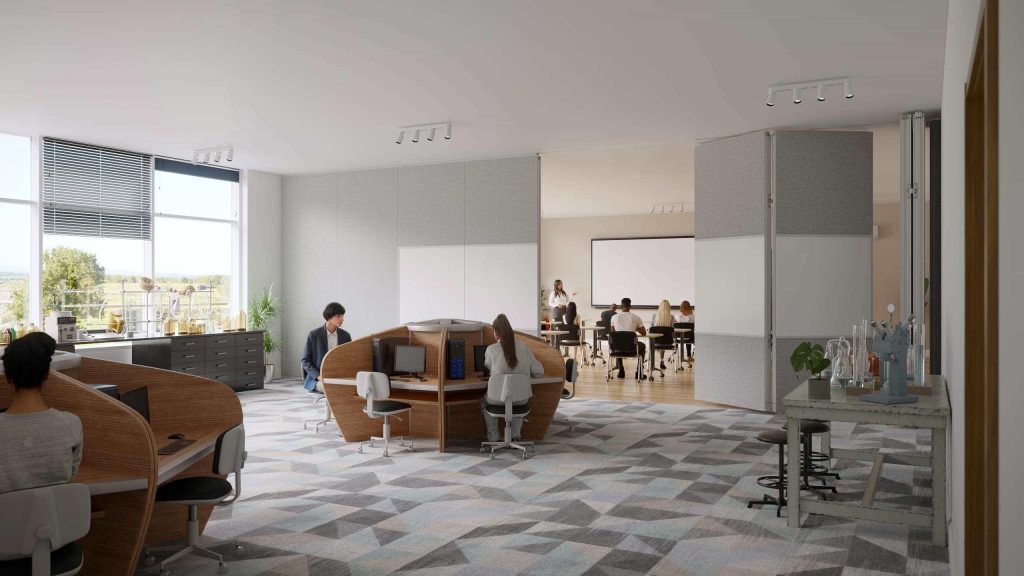
Modern learning environment combining individual workspaces and group instruction, supporting both focus and active engagement.

Rather than viewing movement as a response to difficulty, it can be understood as a foundation for participation and growth.

This shift changes how environments are designed:

  • From restriction → to opportunity
  • From correction → to engagement
  • From control → to understanding

It allows physical activity to be seen not as a disruption, but as a pathway into learning.

The Role of Structured Environments

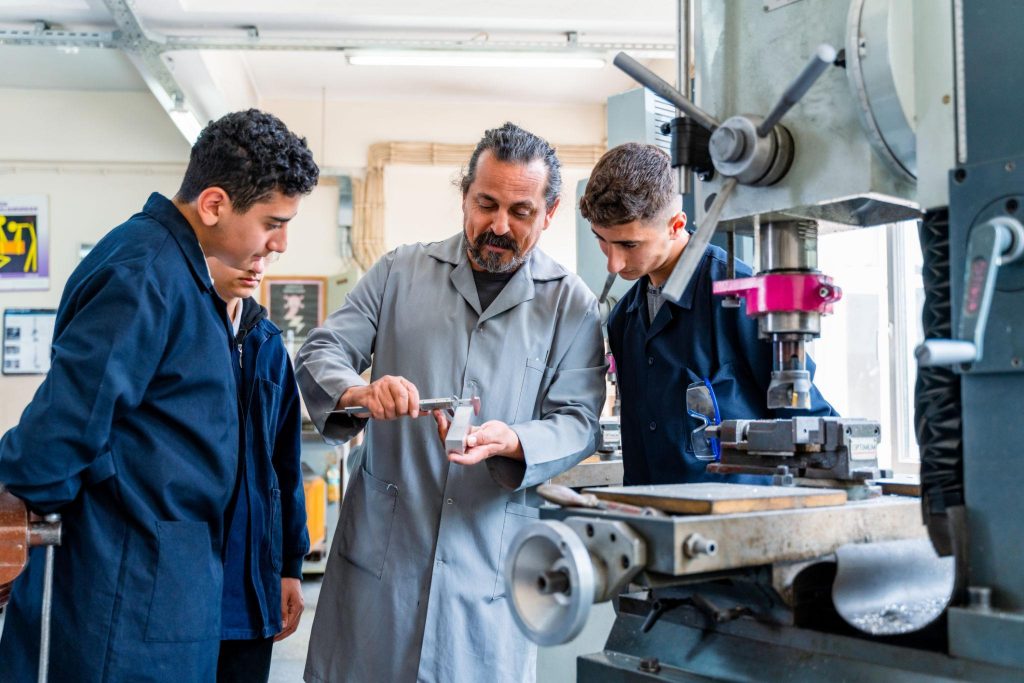
Instructor guiding students in a workshop using machinery, demonstrating hands-on learning and practical skill development.

When environments are designed to include movement and hands-on activity, the impact becomes even more significant.

Workshops, practical learning spaces, and activity-based settings provide:

  • Clear structure
  • Immediate feedback
  • Real-world context

These environments allow individuals to connect effort with outcome, reinforcing both understanding and motivation.

Closing Perspective

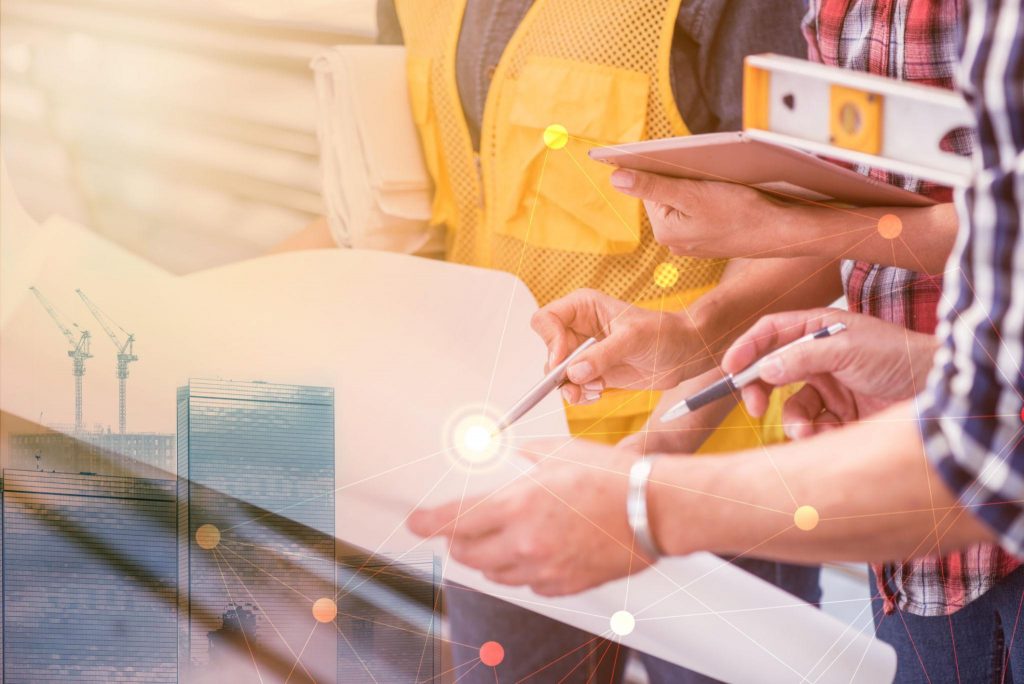
Professionals collaborating on a construction project using digital tools, combining planning, coordination, and real-world application.

The body is not separate from the mind—it is part of the learning process.

When movement is recognised as a tool for regulation, engagement, and confidence-building, it becomes a powerful foundation for development. Physical activity is no longer something to manage—it becomes something to value.

In my opinion, some of the most effective learning environments are those that understand this connection and create space for individuals to move, build, and engage with the world around them.

Because ultimately, learning is not just something that happens in the mind.

It is something that happens through action.