
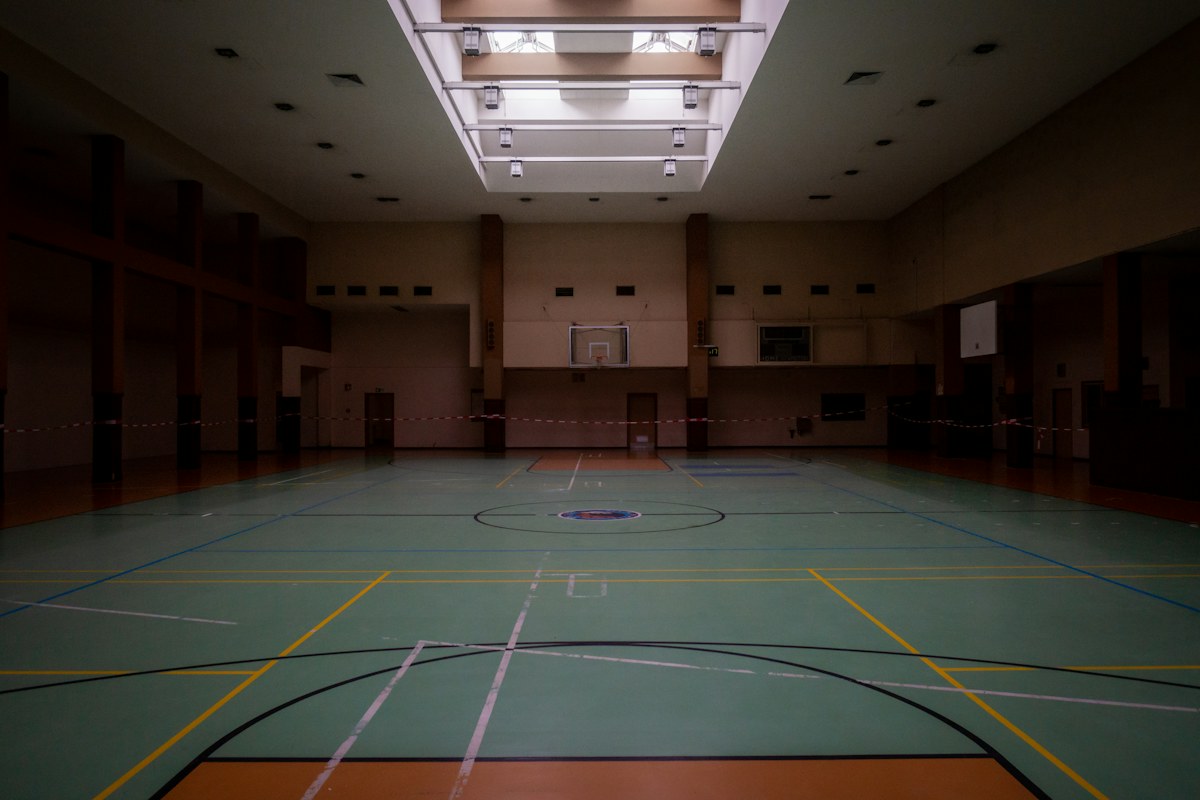
For some children, the hardest part of PE is not the movement. It is the scratchy kit, crowded changing area, sudden whistle, bright sports hall or uncertainty about what happens next. Autistic and other neurodivergent pupils may experience sensory input differently. A useful PE plan addresses those barriers before a child becomes overwhelmed.
Start by asking the pupil what matters
There is no single “autism-friendly” kit or activity. One child may seek movement and sound while another needs quieter surroundings. Ask the child, in their preferred communication method, which parts of PE feel comfortable and which are difficult. Parents and carers may help identify patterns, but the pupil’s own preferences remain central.
Before PE: reduce avoidable surprises
1. Check the clothing
Labels, seams, fabric texture and tight waistbands can be uncomfortable. Discuss suitable alternative PE clothing that meets safety needs without unnecessarily restricting participation. Consider whether changing privately or arriving in PE kit is appropriate under the school’s safeguarding and uniform arrangements.
2. Preview the activity
Use a short sequence such as “change, warm up, partner game, finish”. A photograph of the hall, an equipment picture or a written timetable may help. Tell the child about changes as early as possible, including supply teachers, a different room or a new activity.
3. Plan the journey to the hall
Busy corridors and changing rooms can be difficult. A staggered transition, a quieter entrance or a trusted adult may help. Agree a route that preserves supervision and does not isolate the pupil from their peers.
During PE: make the space workable
4. Replace unnecessary sudden sounds
Where practical, use a raised hand, a visible card or a predictable spoken countdown instead of repeated whistles. Give instructions in short steps and demonstrate the movement. Some pupils may prefer ear defenders for particular noisy activities; discuss safe use so they can still receive essential instructions and warnings.
5. Offer a real participation choice
For a ball game, a pupil might roll instead of throw, choose a quieter station, take a supporting role or practise alongside a partner. Choices should provide meaningful involvement, not merely send a child away from the activity. Our sensory-friendly movement ideas and guide to respecting stimming during play offer related approaches.
6. Agree on a break signal
Use a word, gesture or card to request a pause without needing to explain distress in front of classmates. Identify a supervised calm area and a simple return plan. Never require a child to endure painful or overwhelming sensory input to “get used to it”.
After PE: review what worked
Ask the pupil one or two questions when they are ready: “What helped today?” and “What should we change next week?” Note practical adjustments and share them with relevant staff so support does not depend on one teacher. Revisit the plan because sensory needs can vary from day to day.
A short school checklist
- Has the pupil been asked about sensory preferences?
- Are PE clothing and changing arrangements workable?
- Does the pupil know the activity sequence and any changes?
- Are communication, noise and movement adaptations available?
- Is there an agreed, supervised pause-and-return option?
- Will the plan be reviewed with the pupil and family?
In England, schools have duties to consider reasonable adjustments for disabled pupils. Individual decisions should follow school policy, safeguarding arrangements and the child’s needs. These suggestions are educational, not clinical treatment.
Example: a predictable five-step PE routine
- Show the pupil the activity plan before the lesson.
- Offer an agreed changing and entry arrangement.
- Demonstrate the first movement and give a choice of roles.
- Make the break signal available throughout.
- End with a short, optional review and preview of next time.
Use this as a starting template, not a rigid programme. Change the sequence when the pupil’s preferences or the activity require it.
Further reading: National Autistic Society: reasonable adjustments for sensory differences and Leicestershire NHS: sensory processing at school.
Featured photograph: Patrick Schöpflin / Unsplash.