
Strength-first thinking
Ability Does Not Always Appear in Conventional Settings.
Planning, creativity, communication, persistence and problem-solving may be easier to see when a young person is interested, comfortable and appropriately supported.
This strengths-first view sits within our wider approach to development and neurodiversity: differences in performance across settings can be useful information about conditions, interests and support, not a complete judgement of ability.
“Where are the difficulties?”
Also ask“Where does this person already show capability?”
Look across settings
Digital, Creative, Social and Practical Strengths
Different environments can reveal different abilities. One setting should not define the whole person.

Digital
Strategy, research, systems thinking, visual communication or technical curiosity.

Creative
Ideas, storytelling, design, making, experimentation or attention to detail.
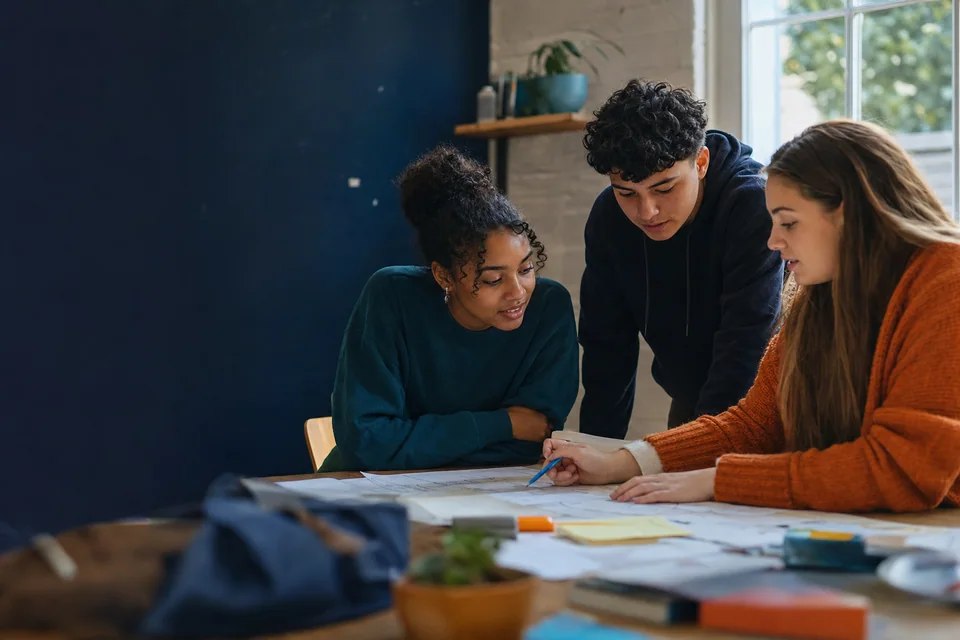
Social
Listening, humour, collaboration, loyalty, empathy or leadership.

Practical
Building, organising, testing, repairing, moving or learning by doing.
Go deeper
Turn Observation Into Practical Support
Recognising a strength is only the first step. The next question is how to create conditions in which that capability can develop.
Read our guide to recognising hidden strengths in children for practical observation prompts, explore different ways of learning, or use our strengths-based parenting guide to translate what you notice into everyday opportunities. Families can return to the For Families hub for the wider programme context.