
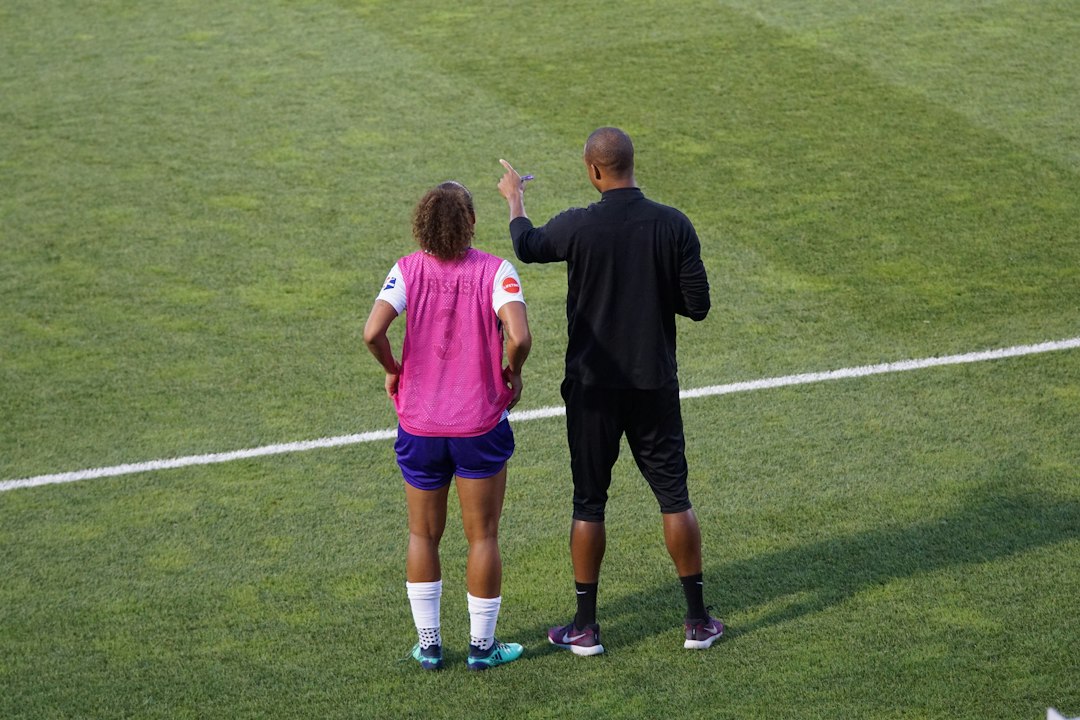
“I’m bad at sport” can mean many things. A child might have missed a goal, felt embarrassed in PE, struggled to follow fast instructions or simply disliked the activity. Correcting the statement immediately may miss the reason behind it. A calmer response begins by listening, then helps the child decide whether and how to try again.
First, find out what happened
Choose a quiet moment rather than discussing a mistake in front of other children. Ask, “Which part felt difficult?” or “Did anything happen that made it less fun?” Give the child time to answer. They may want sympathy rather than a training plan. If bullying, exclusion or repeated humiliation is involved, address the environment with the school or club rather than asking the child to become more resilient to it.
Separate the activity from the child’s identity
Try “That game was difficult today” instead of agreeing that the child is “bad at sport”. Avoid the opposite extreme of insisting they are brilliant when they do not believe it. Specific, believable observations are more useful: “You kept your eyes on the ball for that pass” or “You asked for help when the rules were confusing.” These statements describe actions, not permanent ability.
Offer a genuine choice
Ask whether they want to talk, watch, practise one part privately or take a break. If the child dislikes football, there are many other ways to enjoy movement, from cycling and dance to walking and adapted games. UK physical activity guidance recognises play, active travel and sports as valid ways for children to be active; no single sport is compulsory.
Try a tiny experiment, not a test
If the child wants to practise, agree on a small experiment: three gentle passes with a soft ball, a slower-paced game or a shorter distance. Ask what might make it easier. Do not turn the exercise into a surprise assessment. The aim is to learn something about the task and the environment, even if the child decides not to repeat it.
Watch for hidden barriers
Noise, changing rules, a crowded pitch, painful kit, inaccessible equipment or difficulty coordinating movements can all affect participation. A child with motor-planning differences may need a demonstration and extra time; an autistic child may prefer clear expectations; a child with a physical disability may need equipment or rule adaptations. Ask what the child experiences instead of guessing from a label. The Activity Alliance inclusive PE resources show how games can be modified for different participants.
Helpful words to try
- “Which part felt hardest?”
- “Would you like me to listen or help you plan?”
- “We can change the game or choose another activity.”
- “What would make next time feel better?”
Agree on a supportive next step
A helpful next step might be watching the first ten minutes of a club, choosing a friend to play with, asking a teacher for a different role or trying a different activity altogether. Review the experience later with “What was better?” rather than “Did you win?” For more support, see our first sports-club confidence plan and guide to praising effort in active play.
If a child persistently avoids activities because of pain, severe anxiety, bullying or coordination difficulties, seek appropriate school or health-professional support rather than relying on encouragement alone.