
Recognising Strength Where Others See Difference
Modern society is highly effective at measuring what is visible, fast, and easily standardised. It is far less effective at recognising strengths that develop quietly, mature over time, or operate beneath the surface.
This chapter introduces a central idea that runs throughout this book:
many forms of ability are not absent — they are simply misunderstood, misread, or misplaced.
What is often described as inconsistency, disengagement, or underperformance can, in many cases, be better understood as unrecognised strength operating in an unsuitable environment.

The Hidden Nature of Certain Strengths
Some abilities do not announce themselves loudly. They are not optimised for speed, multitasking, or constant social interaction. Instead, they emerge through:
sustained attention
internal modelling
pattern recognition
deep interest
hands-on engagement
These strengths tend to reveal themselves over time, not in snapshots.
In my opinion, one of the most common mistakes made by education systems, workplaces, and even families is assuming that ability should always be immediately visible and broadly distributed. In reality, some forms of capability are narrow, deep, and context-dependent — and therefore easy to overlook.

Commonly Overlooked Strength Profiles
While every individual is different, several recurring strength patterns appear again and again among people whose abilities are underestimated.
1. Pattern Recognition
Pattern recognition is the ability to detect structure, repetition, and anomaly within complex information. This may show up as:
spotting inconsistencies others miss
quickly understanding how systems interconnect
identifying long-term trends rather than short-term signals
This strength is invaluable in fields such as engineering, diagnostics, design, finance, and strategic planning. However, it is often missed in environments that prioritise speed over accuracy or memorisation over understanding.
Practical application:
Pattern recognition develops best when individuals are allowed to explore systems in depth rather than being rushed between topics.
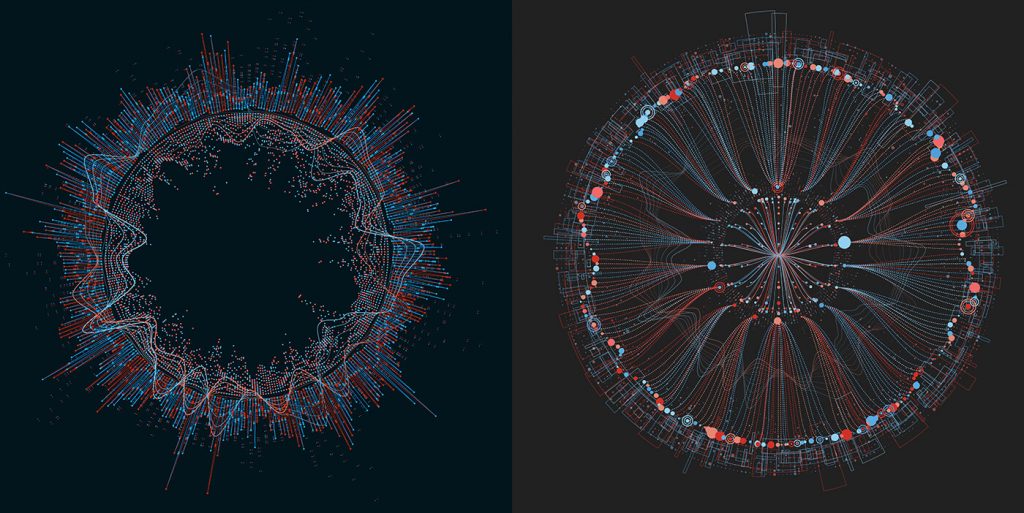
2. Systems Thinking
Systems thinkers naturally view problems as part of a wider whole. They are inclined to ask:
“What connects these parts?”
“What happens if this changes?”
“Where is the bottleneck?”
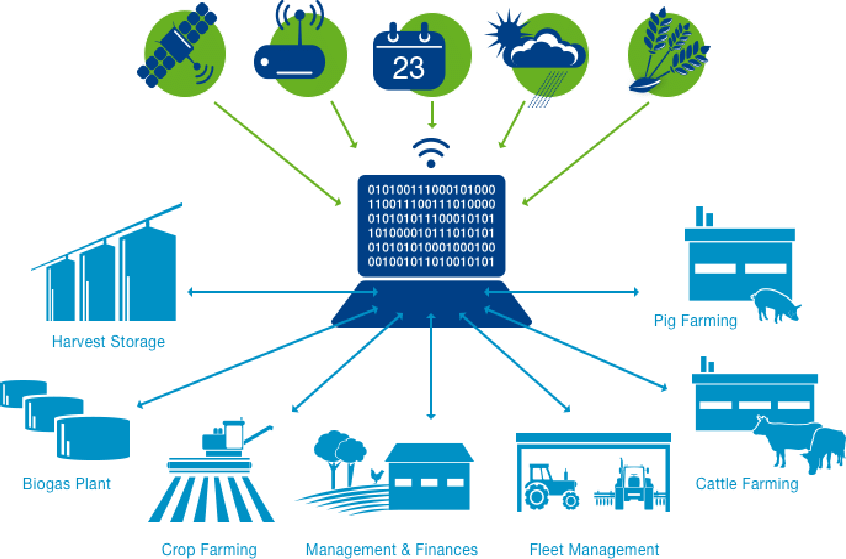
This way of thinking is particularly valuable in logistics, construction, software, operations, and organisational design.
In my opinion, systems thinking is frequently underused because it does not fit neatly into short-form testing or linear task structures.
Practical application:
Providing real-world, project-based work allows systems thinkers to demonstrate capability far more effectively than abstract exercises.
3. Mechanical and Practical Intelligence
Hands-on ability is often wrongly treated as secondary to academic skill. Yet mechanical intelligence involves:
spatial awareness
problem diagnosis
practical reasoning
cause-and-effect understanding
These abilities are foundational to engineering, trades, manufacturing, and technical innovation.
Practical application:
Learning environments that combine theory with physical interaction consistently reveal strengths that remain hidden in purely classroom-based settings.

4. Creativity and Lateral Thinking
Creativity is not limited to art or expression. It also includes:
unconventional problem-solving
novel combinations of existing ideas
reframing challenges in unexpected ways
Creative thinkers often struggle in rigid systems, not due to lack of ability, but due to over-constraint.
Practical application:
Allowing multiple solution paths rather than enforcing a single “correct” method often unlocks creative capability.

5. Deep Focus
Some individuals concentrate intensely — but selectively. When engaged, they can maintain attention for extended periods and develop highly refined understanding.
This trait is frequently misunderstood because it does not align with environments that demand constant switching and surface-level engagement.
Practical application:
Depth-based work, longer project timelines, and fewer interruptions allow deep focus to become a strength rather than a liability.

Introducing the Strength-First Framework
- Rather than asking “What is missing?”, a strength-first framework begins with a different question:
“What already works — and under what conditions?”
This approach rests on three principles:
Ability is contextual
Performance changes depending on environment, task structure, and expectations.Strength often precedes confidence
Confidence grows when capability is recognised and applied meaningfully.Alignment matters more than correction
Many difficulties reduce significantly when environments are better matched to cognitive strength.
In my opinion, this reframing alone can transform how individuals understand themselves and how organisations design support.

Practical Ways to Reveal Hidden Strengths
For families, educators, organisations, and communities, several practical steps can help bring these “superpowers” into view:
Offer project-based learning rather than purely test-based evaluation
Value process and reasoning, not just speed or presentation
Create hands-on opportunities alongside theoretical instruction
Allow depth and immersion, not constant task switching
Observe where engagement increases naturally, without pressure
These are not fixes or guarantees. Rather, they are conditions that allow ability to surface.

Why This Matters
- When strengths remain unrecognised, people often internalise inaccurate conclusions about themselves. Over time, this can shape educational paths, career choices, and self-belief.
Conversely, when strengths are identified and supported early, individuals are far more likely to:
engage meaningfully
develop competence over time
contribute in ways that suit their natural abilities
This chapter lays the foundation for the rest of the book. The chapters that follow will explore how systems can adapt — not to lower expectations, but to recognise and work with real human capability.

In my view, recognising these hidden strengths is not about special treatment or lowered standards. It is about accuracy.
And accuracy, when it comes to understanding human ability, benefits everyone.