
Simple Games That Build Hand–Eye Coordination
Scarf and beanbag games are among the easiest ways to help children practise hand–eye coordination at home or in school. Floaty scarves give slow, forgiving catches. Beanbags and rolled socks add weight and help with aiming. Soft balls bring extra speed once confidence grows.
You need very little space or kit. Short sessions of five to ten minutes, a few times a week, keep things fun and manageable. The five games below move from easiest to hardest. Each one includes a seated version, so children who tire quickly, use a wheelchair or prefer sitting can join in fully.
What You Need
Scarves
Lightweight chiffon-style scarves fall slowly, giving children time to track and grab them.
Rolled Socks
A free, squashy option. Roll each pair tightly so it does not unravel mid-throw.
Beanbags
Their weight helps children feel each throw, and they stay put when dropped.
Soft Balls
Foam or sponge balls roughly the size of an orange suit small hands and indoor play.
Five Games to Try
1. Scarf Float and Catch
- Hold a scarf by one corner, just above head height.
- Let go and watch it drift down.
- Catch it before it touches the floor, first with one hand, then the other.
- Progress by adding a clap before catching, or using a finger-and-thumb pinch.
Seated: Drop the scarf from shoulder height and catch it with both hands before it reaches the lap.
2. Sock Basket Toss
- Place a laundry basket two big steps away.
- Throw five rolled socks underarm, one at a time.
- Count how many land inside.
- After three good rounds, move the basket further back or to one side.
Seated: Put the basket on the floor beside the chair, or on a table opposite, and toss from sitting.
3. Beanbag Hand Swap
- Pass a beanbag from hand to hand in front of the body.
- Next, toss it gently from one hand to the other at chest height.
- Gradually raise the toss to eye level.
- Finish with a gentle underarm throw to a partner standing close by.
Seated: Pass the beanbag around the waist and under the knees before trying small hand-to-hand tosses.
4. Colour Target Drop
- Lay three coloured paper plates on the floor.
- An adult calls out a colour.
- The child tosses a beanbag onto that plate.
- Make it harder by calling colours faster or spacing plates further apart.
Seated: Arrange the plates on a table and slide or lightly toss the beanbag.
5. Bounce and Catch
- Bounce a soft ball once on the floor and catch it with two hands.
- Try ten in a row.
- Bounce it to a partner, who catches and bounces it back.
- Add a clap before each catch for an extra challenge.
Seated: Roll the ball across a table to a partner, stopping it with both hands before rolling it back.
Safety Tips
- Clear a space away from windows, glass and hard furniture edges.
- Use soft items only indoors and keep throws underarm.
- Supervise scarf play with younger children and never tie scarves around necks.
- Check floors are not slippery; bare feet or trainers work best.
- Stop when a child seems tired or frustrated.
Encouraging Language That Helps
How you speak shapes how willing a child is to keep trying. Praise effort and strategy rather than results.
Avoid comparing siblings or classmates, and let children choose which game to repeat.
When to Talk to a GP or SENCO
Every child develops at their own pace, and these games are for practice and enjoyment, not diagnosis or therapy. However, if your child has ongoing difficulty with catching, throwing, handwriting, dressing or everyday tasks compared with others their age, it is worth raising with your GP, health visitor or the school SENCO. The NHS explains signs and next steps on its page about developmental coordination disorder (dyspraxia). Keep brief notes on what you notice to share at appointments.
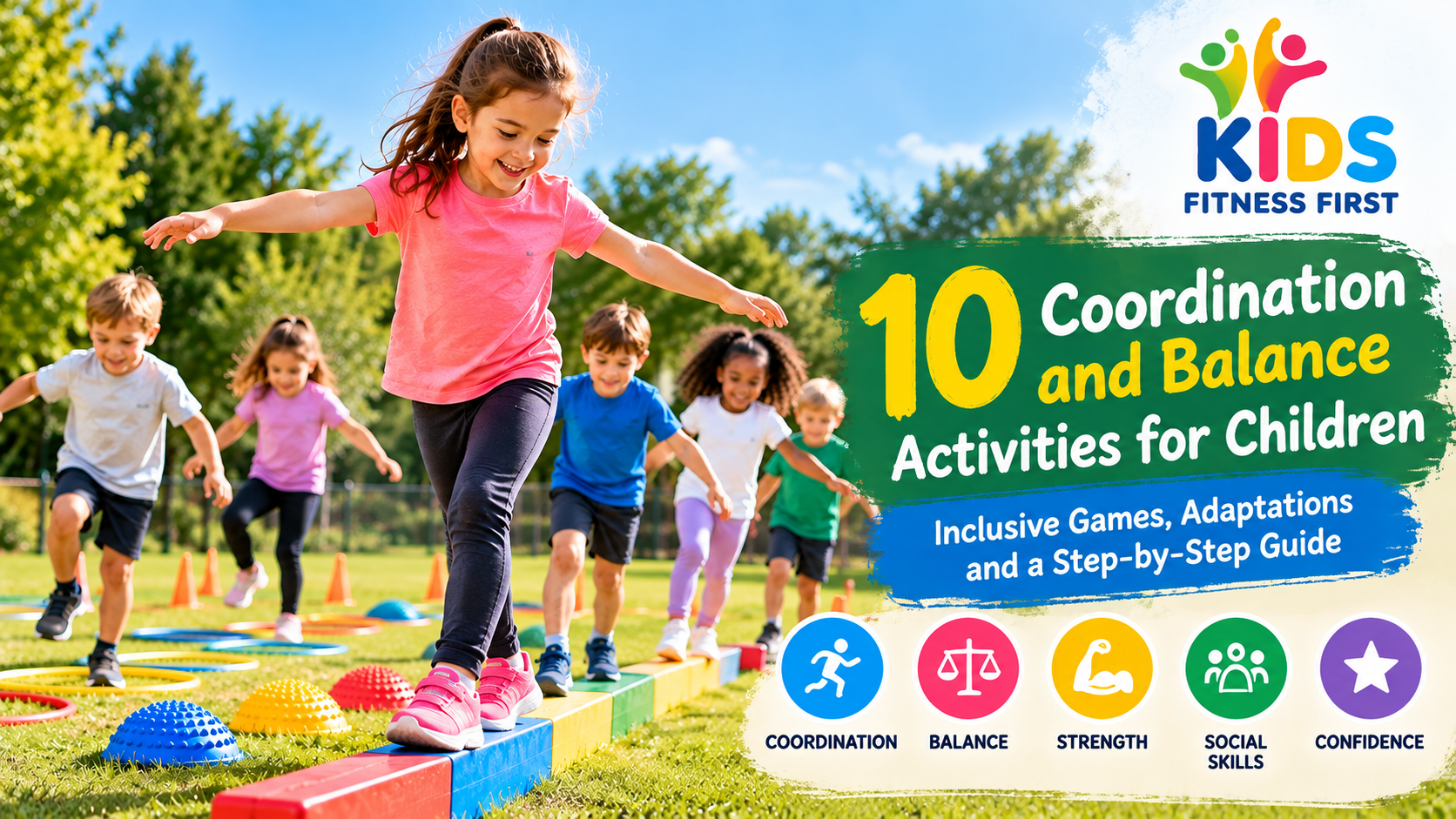
For whole-body movement ideas, see our separate guide to coordination and balance activities for children.
Start Small This Week
Pick one scarf game and one beanbag game, play for five minutes, and build up as confidence grows.