‘From “Britain’s Naughtiest Kid” to Running a School: What This Story Teaches Us About Education
In education, labels can be powerful — and sometimes misleading.
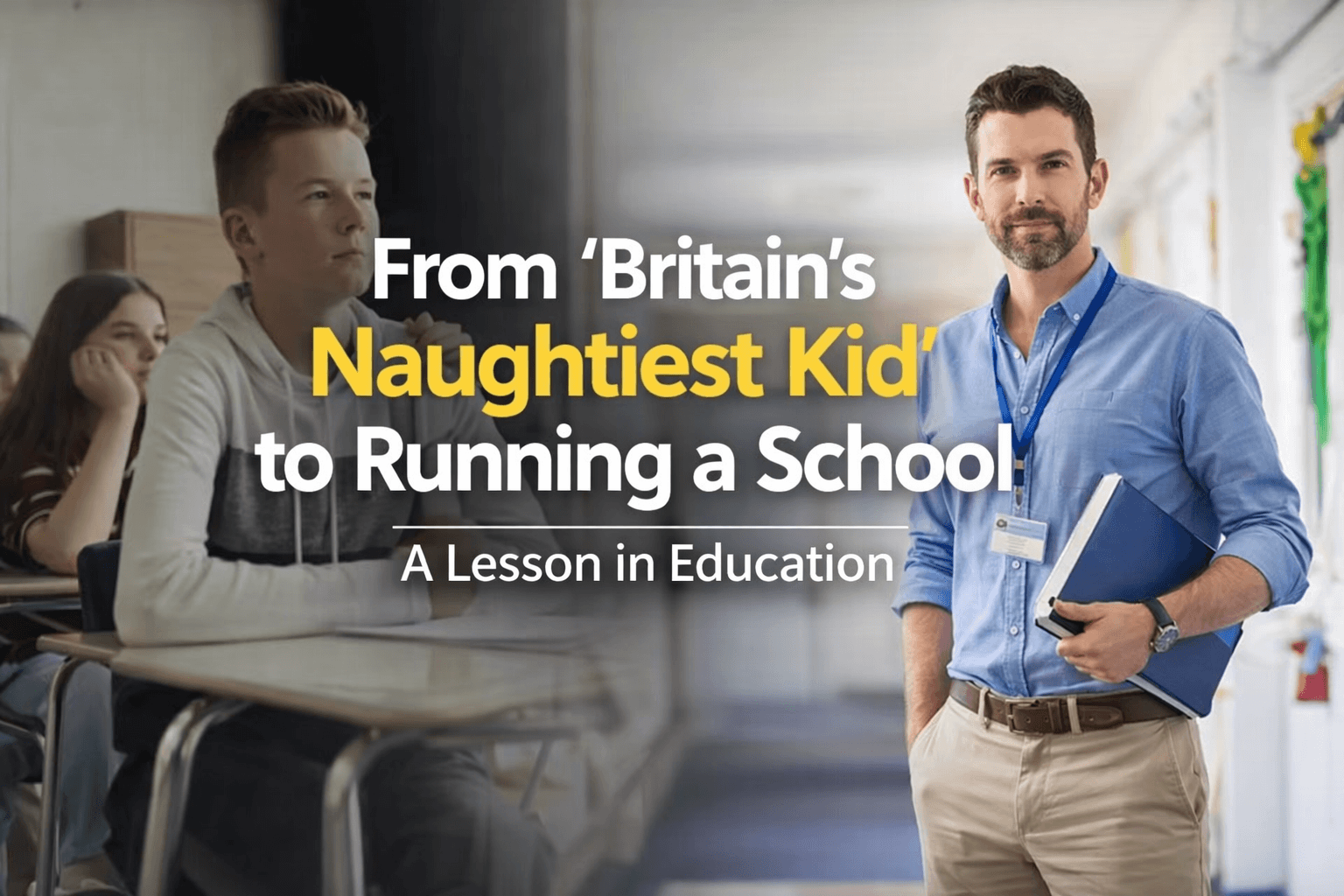
A recent news story has attracted significant attention after revealing that a man once described as “Britain’s naughtiest kid” has grown up to run a successful school in Thailand and reportedly earns around £360,000 per year.
The story, reported by the Daily Mail, has sparked debate about how children are judged in school and how early labels may not always reflect a person’s future potential.
While the media headline focuses on the dramatic contrast, the deeper lesson may be about how education systems interpret behaviour and ability..
The Story Behind the Headline
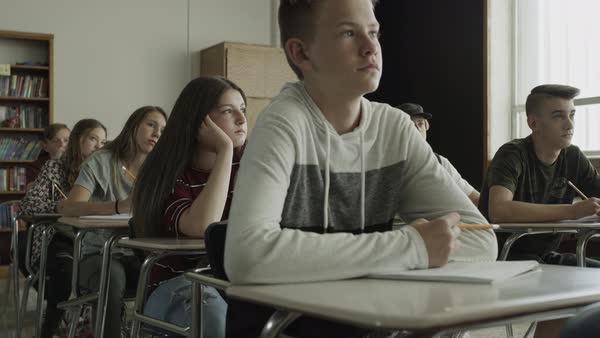
According to reports, the individual gained notoriety during his school years in the UK due to disruptive behaviour and frequent disciplinary issues. Teachers reportedly viewed him as extremely difficult to manage in the classroom.
Years later, however, his life took a very different direction.
After moving abroad and becoming involved in education, he eventually became the leader of a private international school in Thailand. The school reportedly serves international students and expatriate families, and the business has grown into a highly profitable operation.
Running an international school can be a significant enterprise. Many private international schools charge tuition fees ranging from $10,000 to $30,000 per year per student, which can generate substantial revenue when enrolment is high.
The story therefore highlights a dramatic transformation: from a student frequently criticised in the classroom to a leader responsible for running a large educational institution.

Why Stories Like This Matter
Although the story is unusual, it raises an important question:
How accurately do school labels predict a child’s future?
Educational research increasingly shows that behaviour in traditional school environments does not always reflect intelligence, creativity, or leadership potential.
Many children who struggle within structured school systems may possess strengths in areas such as:
entrepreneurship
problem-solving
leadership
creativity
innovation
In some cases, disruptive classroom behaviour may simply reflect a mismatch between learning style and teaching environment.

The Limits of Traditional Education Systems
Traditional education systems are often designed around:
structured classroom environments
fixed learning methods
standardised testing
While this model works well for many students, it may not suit everyone.
Some students learn better through:
hands-on activities
practical projects
creative exploration
independent thinking
When those needs are not met, students may appear disengaged or disruptive — even when they have strong potential.
The Importance of Recognising Different Strengths
The key lesson from stories like this is not that disruptive behaviour should be encouraged.
Rather, it highlights the importance of looking beyond labels.
Children who struggle in traditional classrooms may still develop strengths that become valuable later in life.
Recognising different abilities early can help create more supportive educational environments that allow young people to develop their talents in a positive way.
Education systems around the world are increasingly exploring more flexible approaches, including:
project-based learning
alternative education models
skill-focused programmes
entrepreneurship education
These approaches aim to recognise that there is no single pathway to success.

A Broader Perspective on Success
Stories like the one reported by the Daily Mail remind us that life paths are rarely linear.
A child who struggles academically may later thrive in business, leadership, or creative industries. At the same time, academic success does not automatically guarantee success later in life.
What matters most is whether individuals eventually find environments where their abilities can develop.
Final Thoughts
The story of the former “naughtiest kid” who went on to run a successful school is a powerful reminder that early labels do not define a person’s future.
Education should aim not only to manage behaviour but also to understand the different ways young people think, learn, and develop.
When education systems recognise and support a wider range of abilities, more students can find the path where they truly succeed.
Source:
This article summarises and discusses a news story originally reported by the Daily Mail: https://mol.im/a/15631995