
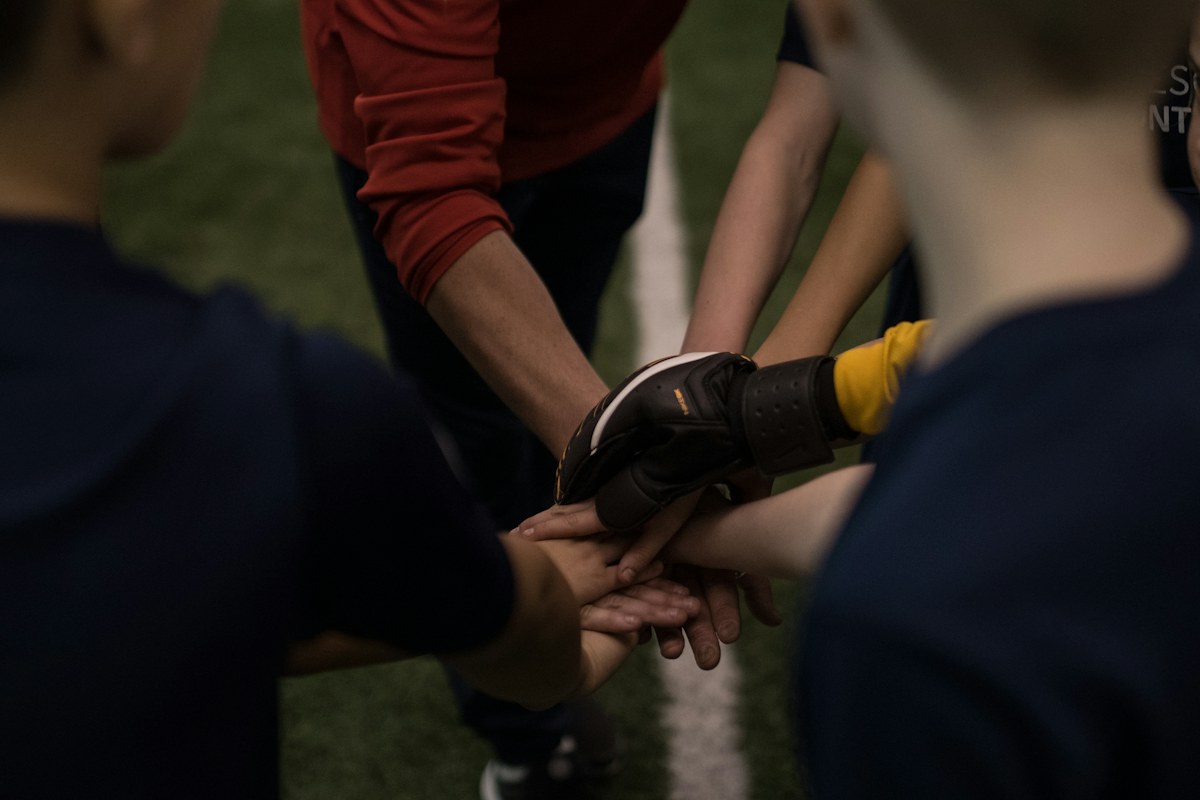
A first visit to a sports club can feel exciting, unfamiliar or overwhelming. New faces, different rules, noisy spaces and uncertainty about what will happen can make even a child who enjoys movement hesitate. Adults can make the first experience more welcoming without promising that every child will love it immediately.
Before the session: reduce the unknowns
1. Find out what the club actually does
Ask the organiser how long the session lasts, what equipment is used, whether there are breaks, and whether children are grouped by age or experience. Explain any relevant accessibility or communication needs privately. A good starting question is: “How do you support children who want to watch before joining?”
2. Give the child a realistic preview
Show a photograph of the entrance or the type of space, if available. Describe the first three steps: “We arrive, meet the coach and find a place for your bag.” Avoid saying “There’s nothing to worry about”, which may not match how the child feels. Try “It is new, and we can work out the first step together.”
3. Agree on a small goal
The goal could be entering the building, saying hello to the coach, watching a warm-up or joining one activity. A goal should be something the child can influence, not “score a goal” or “make friends today”. Ask the child what would count as a good first visit for them.
During the session: offer genuine choices
4. Arrive a little early if that helps
A quieter arrival can make it easier to locate toilets, water and a comfortable waiting area. Some children prefer arriving just before the start to avoid waiting; ask which works better. Do not insist on a single routine for every child.
5. Use a simple joining-in script
Practise a phrase such as “Can I try the easy version?” or “Could you show me again?” A child who does not use speech might point to a choice card, gesture or ask an adult to speak for them. The aim is access to the activity, not a performance of confidence.
6. Keep a pause option available
Agree where the child can step aside, get water or ask for help. A pause is not failure. Ask the coach about modifications for mobility, sensory or learning differences. Our guide to choice-based movement challenges explains how a child can choose a manageable level of difficulty.
Afterwards: talk about experience, not results
7. Ask two useful questions
Try “What part did you like or dislike?” and “What should we change next time?” Avoid a rapid interview while the child is tired. You might hear that the changing room was noisy, that the instructions were too quick, or that they enjoyed watching. All of those observations help plan a better second visit.
What if the child does not want to return?
Take the concern seriously. The answer might be a different group, shorter sessions, an adapted activity or simply more time. Do not use comparison with siblings or teammates as motivation. If the club cannot make a reasonable adjustment that the child needs, look for a more accessible setting.
For additional ideas, read how to praise effort during active play and our overview of activity, confidence and social skills.
A note for coaches
Explain rules clearly, demonstrate activities, make joining optional at first, and provide meaningful choices without singling out a child. A welcoming session is one where children can participate safely and be themselves, not one where every child follows the same route to participation.
First-session packing checklist
- Comfortable clothing and any agreed adapted kit.
- Water and any essential personal equipment.
- The coach’s contact details and the arrival location.
- A communication card or visual schedule if the child finds it useful.
- A simple plan for taking a break or leaving early if needed.
Let the child help choose what to pack. Being prepared is not about controlling every moment; it is about making the unfamiliar easier to navigate.
Further reading: Activity Alliance inclusive activity cards.
Featured photograph: Pedro Domingos / Unsplash.