
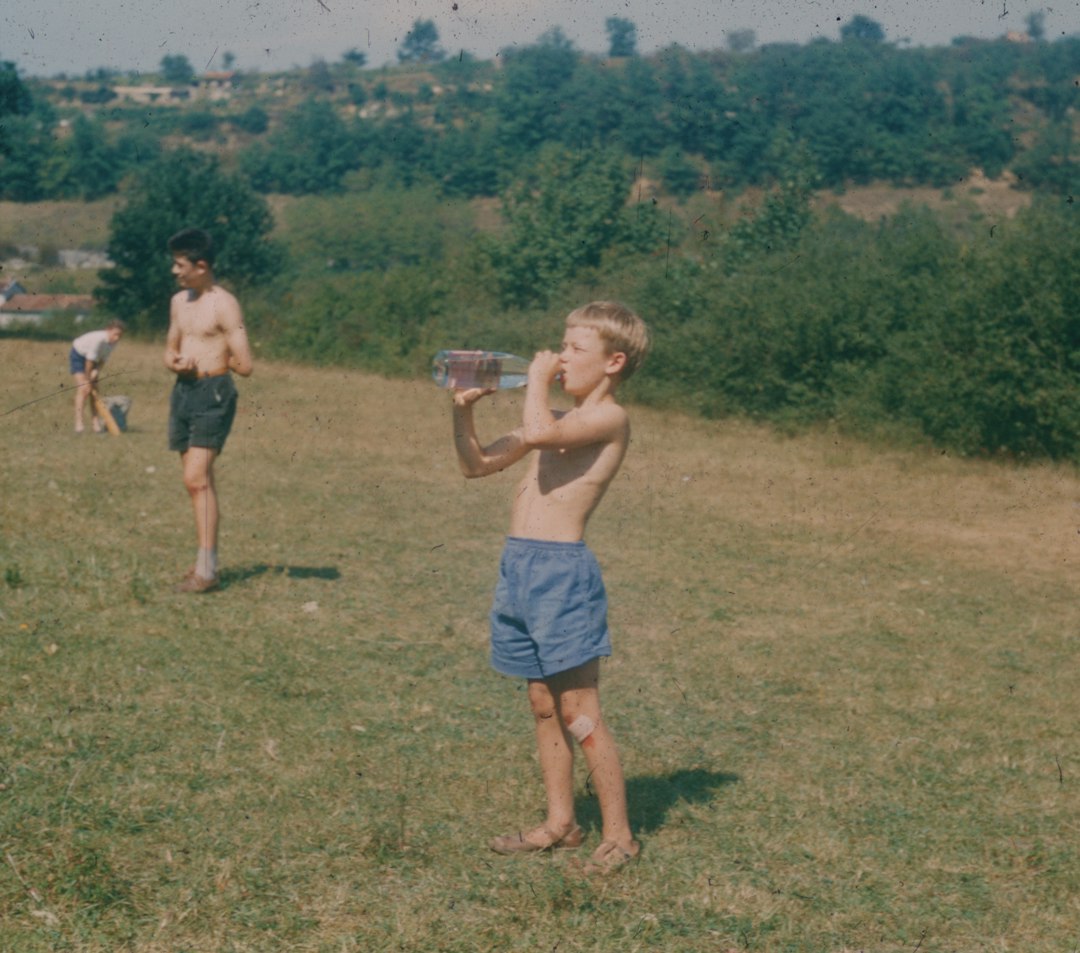
Adults often ask children whether they are tired, thirsty or ready for another game. Not every child can answer easily in the middle of activity. Some neurodivergent children experience or communicate internal body signals differently; others simply need a quieter moment to decide. A low-pressure check-in can make active play more comfortable without turning it into a test of body awareness.
What are body signals?
Body signals include feeling warm, noticing a faster heartbeat, needing water, feeling hungry or recognising that a rest would help. The term interoception is used for sensing internal bodily states; NHS Healthier Together guidance explains that some children may need extra support noticing hunger, thirst and other body signals. Experiences vary greatly between children, including among autistic and ADHD children. Never assume that a diagnosis tells you exactly what someone can feel or report.
Offer a predictable pause
Before an activity, explain that anyone may pause, drink water or sit somewhere quieter. Show where the rest space is and agree on a signal, such as pointing to a break card or saying “pause”. Make the option available to everyone so a child does not have to justify using it.
Ask questions that allow uncertainty
Instead of “You’re exhausted, aren’t you?”, try “Would you like water, a short rest or to carry on?” Accept “I don’t know” as an answer. Some children prefer a thumbs-up, a picture choice or a simple yes/no question. Avoid requiring children to describe sensations they cannot easily identify.
Try a three-part check-in
Before play
Offer a choice between two activities and show what will happen next. Check clothing and footwear for comfort, make water accessible and explain how to request a break.
During play
At a natural stopping point, invite everyone to notice whether they want to change pace. A child may choose a slower version, a different activity or a quiet break. The adult should still watch for visible signs of distress, overheating or illness; children should not be expected to manage safety entirely on their own.
After play
Ask one practical question: “What would make this easier next time?” A child might request less noise, more warning before stopping, a different ball or a longer break. Record their preference if they want you to remember it.
Keep the check-in neurodiversity-affirming
Movement preferences are individual. Repetitive movements, fidgeting and pacing can be comfortable ways of moving and do not automatically need correction. Do not force eye contact, stillness or a particular description of feelings. The aim is to offer information and choices, not to make a child appear more typical.
Simple choice prompts
- “Water, rest or keep playing?”
- “Quieter space or stay here?”
- “Same game or a different one?”
- “Would a picture choice be easier than words?”
Safety, support and further ideas
Offer water and appropriate rest opportunities during activity, particularly in warm conditions. Stop and seek medical help for concerning symptoms such as fainting, significant breathing difficulty or severe pain. If a child frequently struggles with eating, drinking, temperature regulation or recognising bodily needs, discuss this with an appropriate healthcare professional. For activity ideas, see our article on stimming and active play and sensory-friendly PE guide. For inclusive activity principles, see the UK guidance for disabled children, which emphasises finding enjoyable, manageable activity.