KIDS FITNESS FIRST

Blog

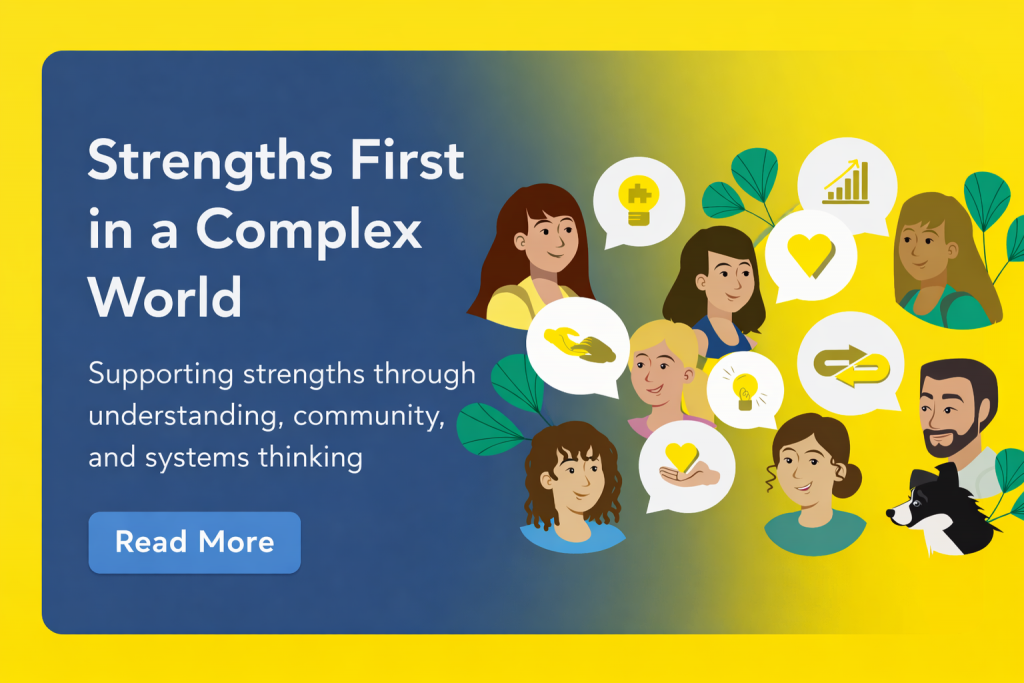
Illustration showing diverse people connected by symbols of ideas, care, growth, and systems thinking, representing a strength-first approach

Superpowers in Disguise: Recognising Strengths Others Often Miss

Many forms of ability are not absent but overlooked. This chapter explores how strengths such as pattern recognition, systems thinking, creativity, and deep focus often develop beneath the surface, and why recognising these strengths requires a shift in how we understand ability and environment.

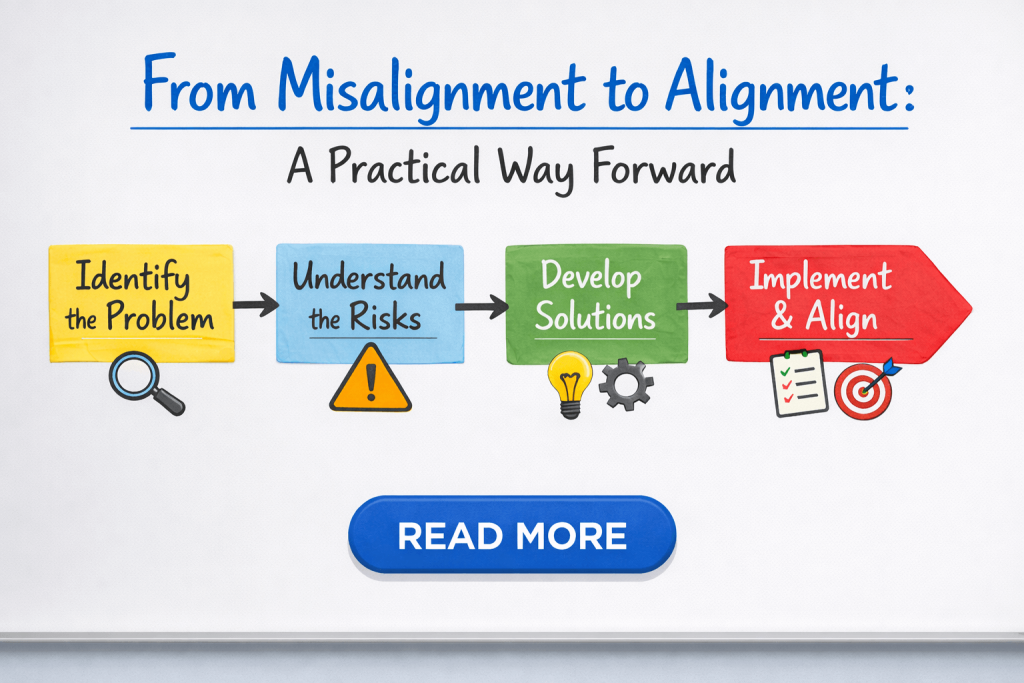
Whiteboard diagram titled "From Misalignment to Alignment: A Practical Way Forward" showing a four-step process with colored panels and icons: Identify the Problem (yellow with magnifying glass), Understand the Risks (blue with warning sign), Develop Solutions (green with lightbulb and gear), Implement & Align (red arrow with checklist and target)

Reframing Difference: Understanding Ability Through Context

Reframing Difference: When Common Struggles Are Signs of Heightened Ability Modern education and work environments are largely built around a narrow model of how attention, learning, communication, and productivity are expected to function. Within this model, behaviours that fall outside the norm are often described using deficit-based language: lack of focus, poor engagement, low resilience, …

Reframing Difference: Understanding Ability Through Context Read More »

Abstract network diagram showing interconnected systems and information flows, illustrating how complex systems process information in different ways.

Neurodiversity and Cognitive Operating Systems: Why Ability Is Often Misunderstood

Neurodiversity as Different Cognitive Operating Systems Modern society is built on the assumption that people think, learn, and work in broadly similar ways. Education systems, workplaces, and social structures are largely designed around this assumption. Yet lived experience repeatedly shows that this is not the case. One useful way to understand cognitive difference is to …

Neurodiversity and Cognitive Operating Systems: Why Ability Is Often Misunderstood Read More »

The negative impact of constant screen time on children –

A Millennium Cohort Study has made some startling findings about the negative effects of long durations of screen time on children and youngsters. The same findings were also echoed by the Understanding Society survey. According to these findings, the well being of young kids was directly proportional to the time they spend in front of …

The negative impact of constant screen time on children – Read More »