Registered charity in England and Wales · 1161510 +44 161 883 7155

Article archive

Tag: ADHD at work

Blog

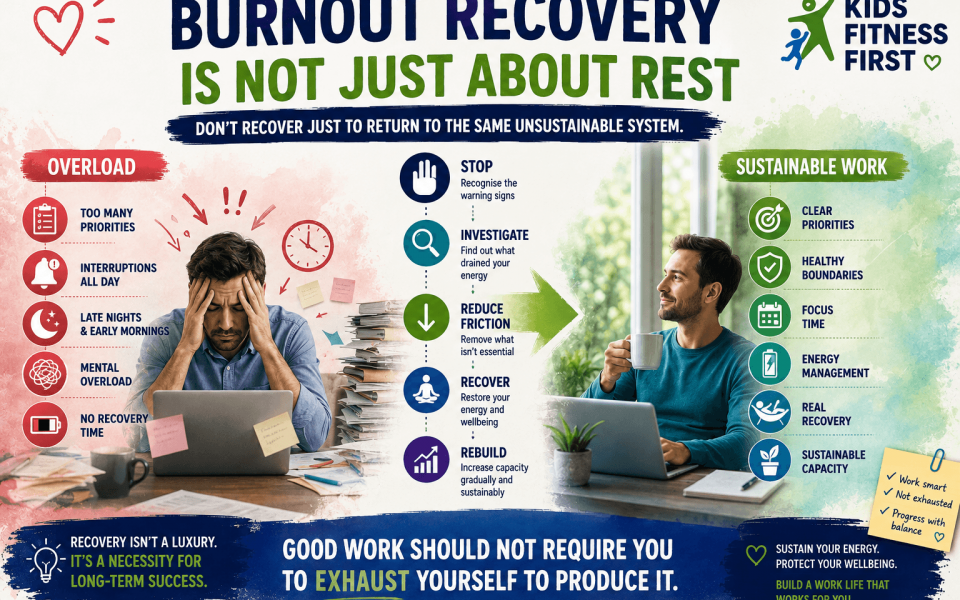
Adult ADHD and Burnout Recovery: How to Rebuild Energy Without Returning to the Same Working Pattern

Adult ADHD and burnout recovery is not simply about taking time off and then returning to exactly the same working pattern. Instead, recovery can involve understanding what created excessive strain, reducing unnecessary demands and gradually rebuilding sustainable work capacity. This article explores practical ways to examine workload, environment, boundaries, energy, recovery and the hidden cost of constantly compensating at work.
Read the full article
Blog

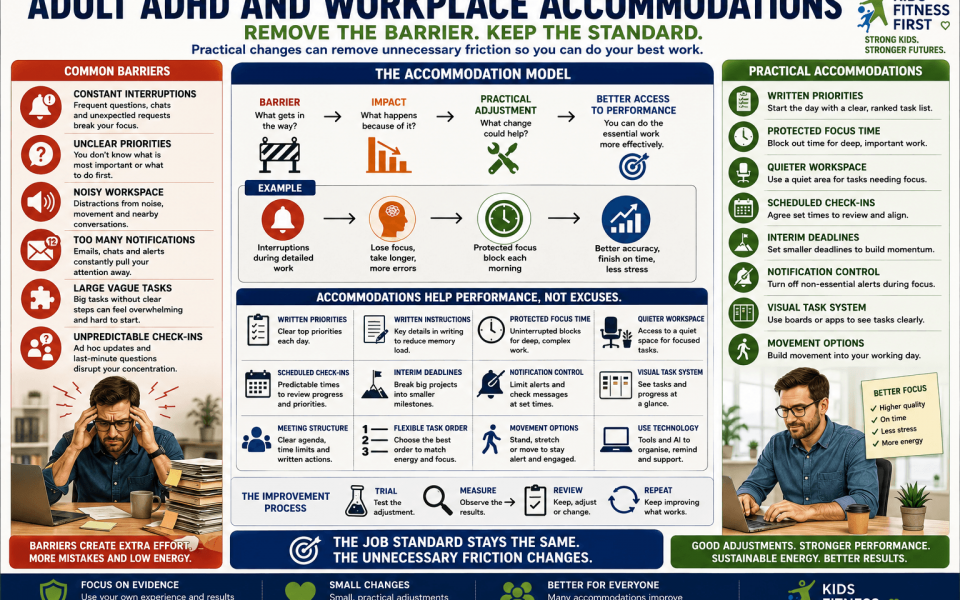
Adult ADHD and Workplace Accommodations: Practical Changes That May Help You Work More Effectively

Adult ADHD and workplace accommodations are not about making work easier without accountability. Instead, practical adjustments can sometimes remove unnecessary barriers so that an employee can perform the essential parts of a role more effectively. This article explores focus time, communication, workspace, meetings, task structure and other practical changes that may support better work.

Read the full article
Blog

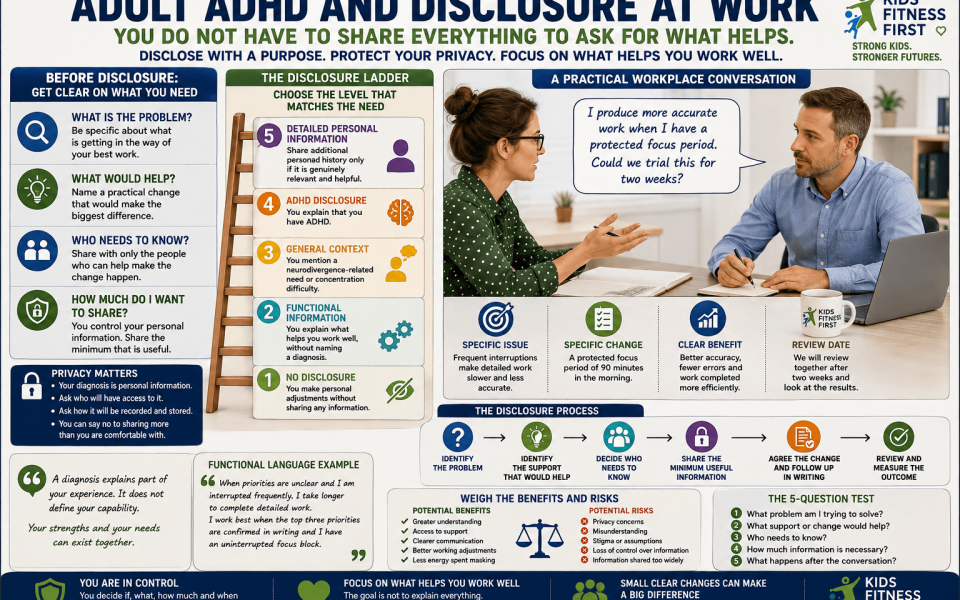
Adult ADHD and Disclosure at Work: How to Decide Whether to Tell Your Employer

Adult ADHD and disclosure at work can raise difficult questions about privacy, support and workplace relationships. Some people may benefit from telling an employer or manager, while others may prefer to keep personal information private. This article provides a practical framework for deciding what you may want to disclose, why you may want to disclose it and how to focus workplace conversations on the conditions that help you perform well.

Read the full article
Blog

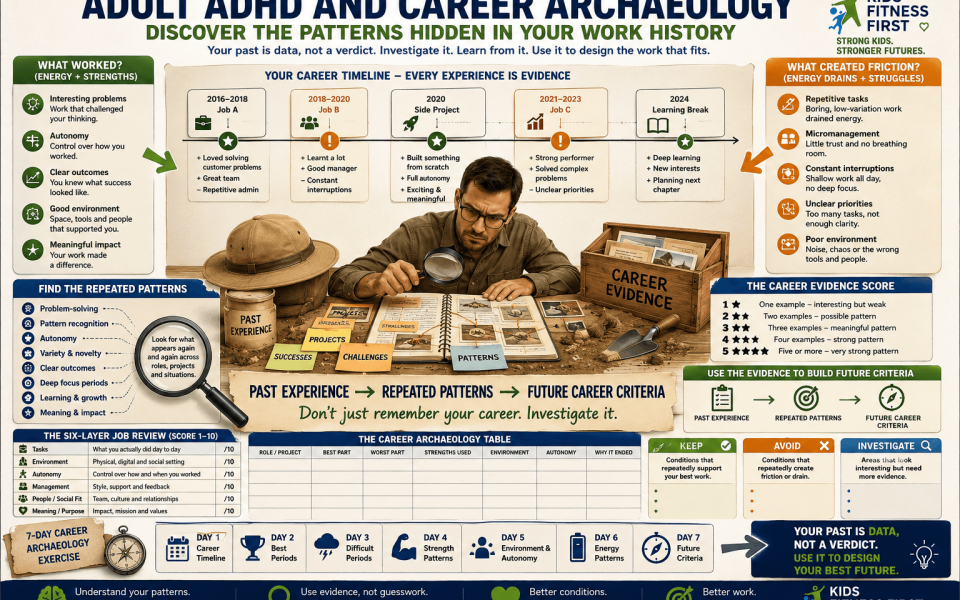
Adult ADHD and Career Archaeology: What Your Past Jobs Can Teach You About the Work That Fits

Adult ADHD and career archaeology means looking backwards before deciding what should come next. Instead of treating previous jobs, unfinished ambitions or career changes as disconnected events, you can examine them for patterns. What repeatedly energised you? What drained you? Which environments helped? Where did your strengths appear? This article turns your work history into evidence for designing a better-fitting career.

Read the full article
Blog

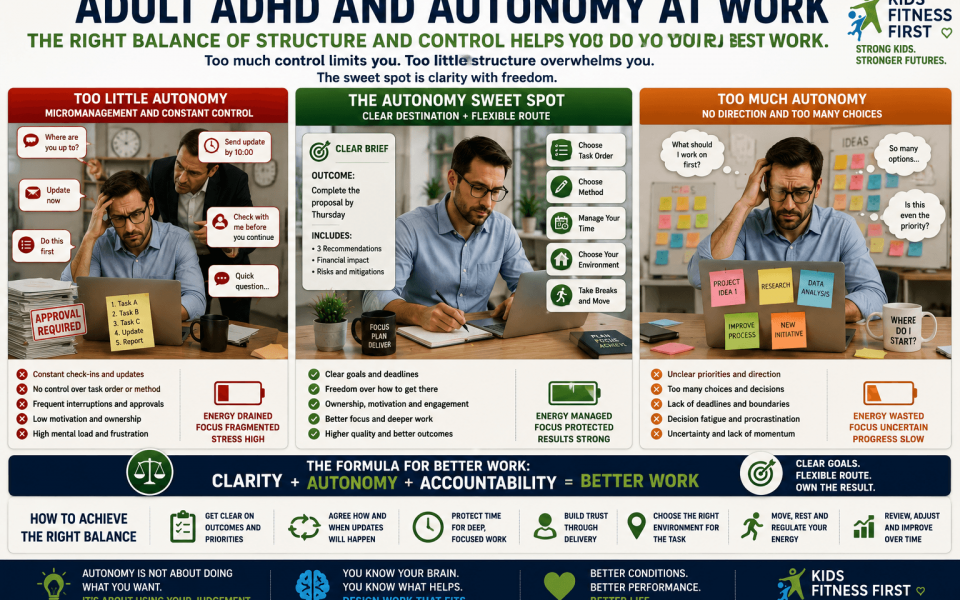
Adult ADHD and Autonomy at Work: Why Having More Control Can Improve Focus, Motivation and Performance

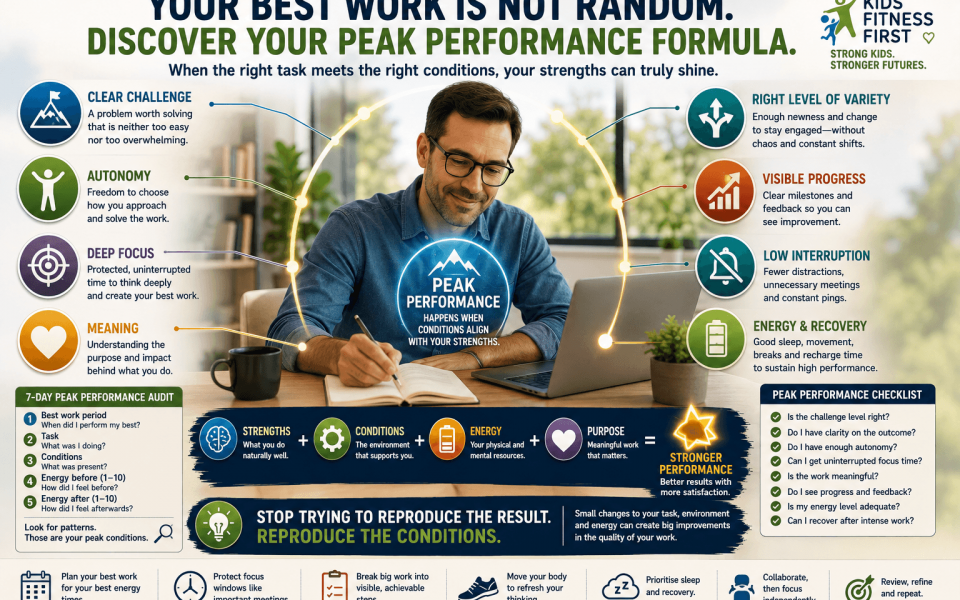
Adult ADHD and autonomy at work can influence how sustainable a role feels. Clear outcomes combined with some control over method, timing and task sequence may help some people perform better, while excessive micromanagement can increase friction. This article explores how to identify the level of autonomy that supports your best work without confusing autonomy with a lack of structure.

Read the full article
Blog

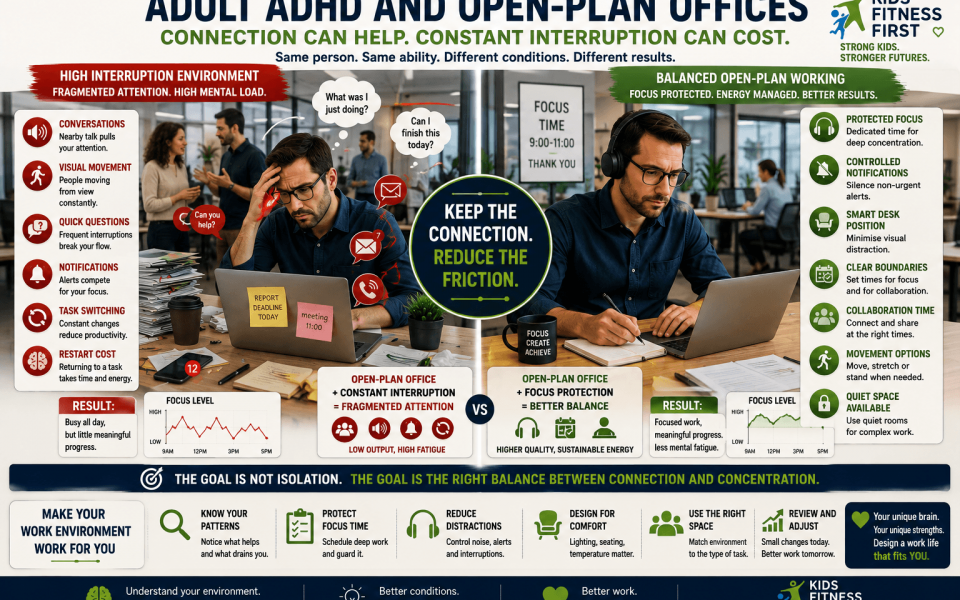
Adult ADHD and Open-Plan Offices: Why Noise, Movement and Interruptions Can Make Concentration Harder

Adult ADHD and open-plan offices can create workplace challenges for some people because conversations, movement, notifications and interruptions compete for attention. However, the answer is not necessarily abandoning the office. Instead, understanding which environmental factors create the most friction can help you develop practical ways to protect concentration while retaining the benefits of collaboration.

Read the full article
Blog

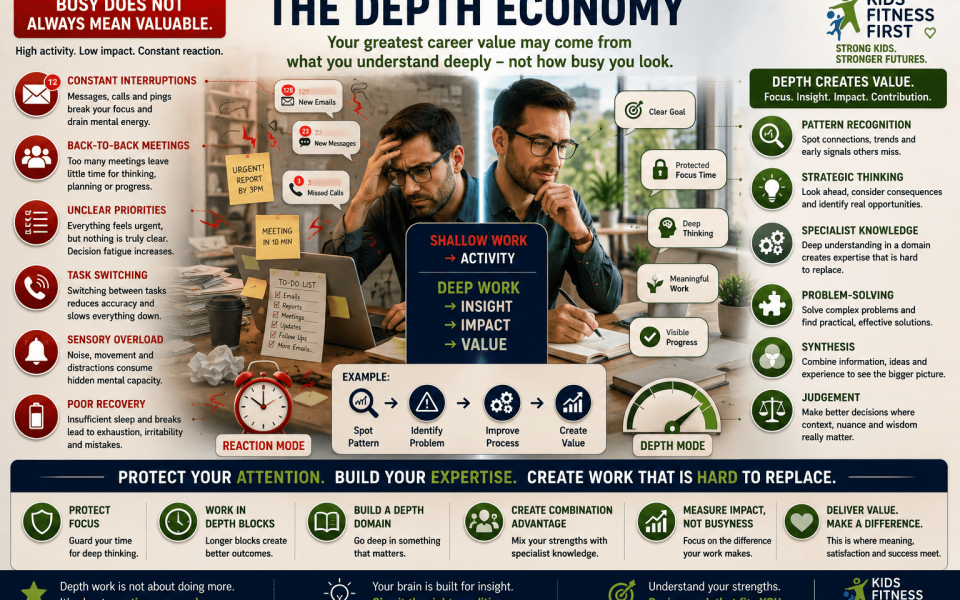
Adult ADHD and the Depth Economy: Why Deep Thinking May Matter More Than Busy Work

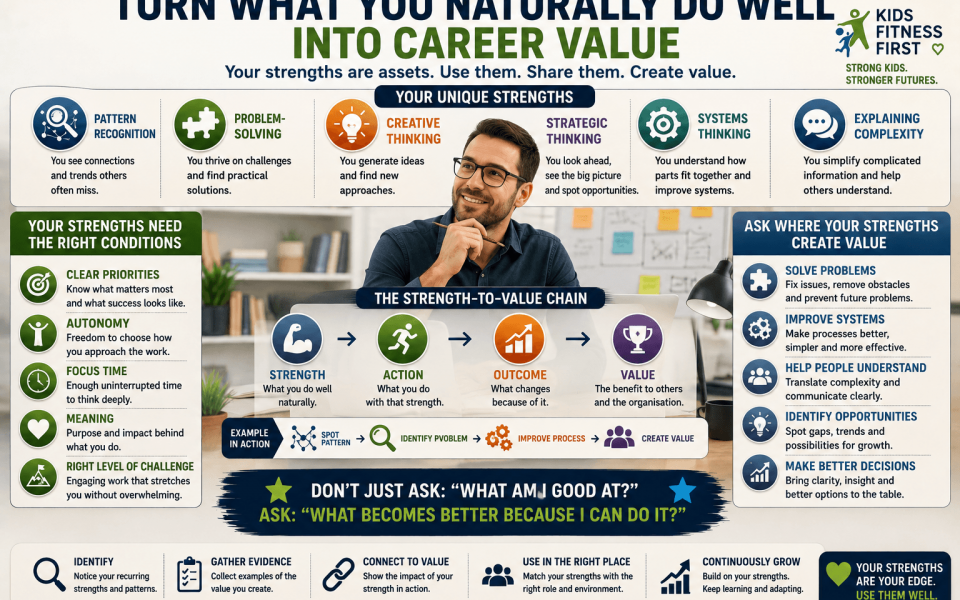
Adult ADHD and the Depth Economy is about recognising that career value does not always come from doing more tasks. Instead, some of the most valuable work comes from thinking deeply, identifying patterns, solving difficult problems and producing insight that other people cannot easily replicate. This article explores how to identify your depth work and build more of it into your career.

Read the full article
Blog

Adult ADHD and Workplace Struggles: Identify the Conditions That Make Your Brain Shut Down

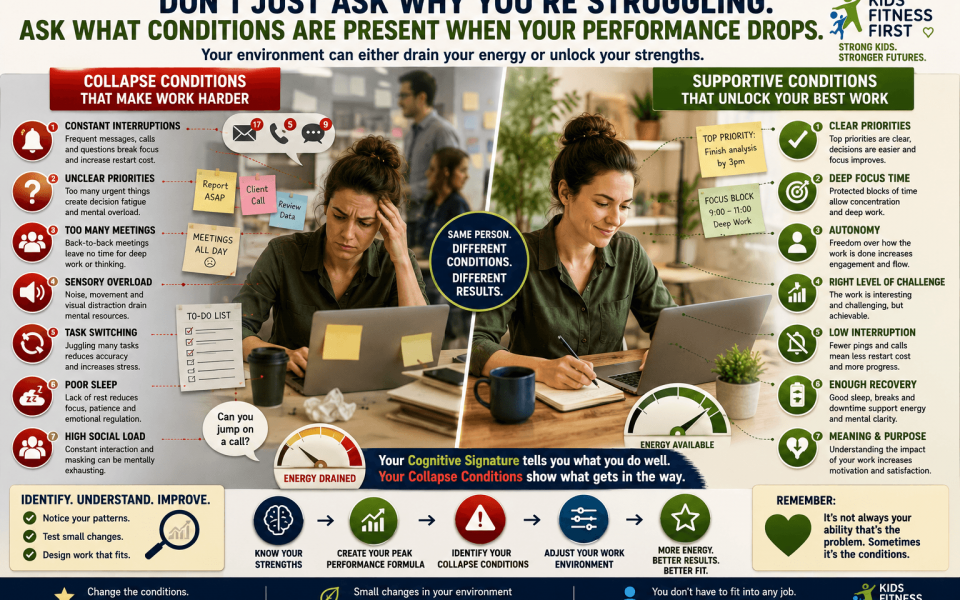
Adult ADHD and workplace struggles can feel unpredictable until you begin identifying the conditions that repeatedly make work harder. Constant interruption, unclear priorities, sensory overload, excessive meetings, heavy social demands and poor recovery can all change how easily you access your strengths. This article helps you identify your personal collapse conditions and use them to make better workplace and career decisions.

Read the full article