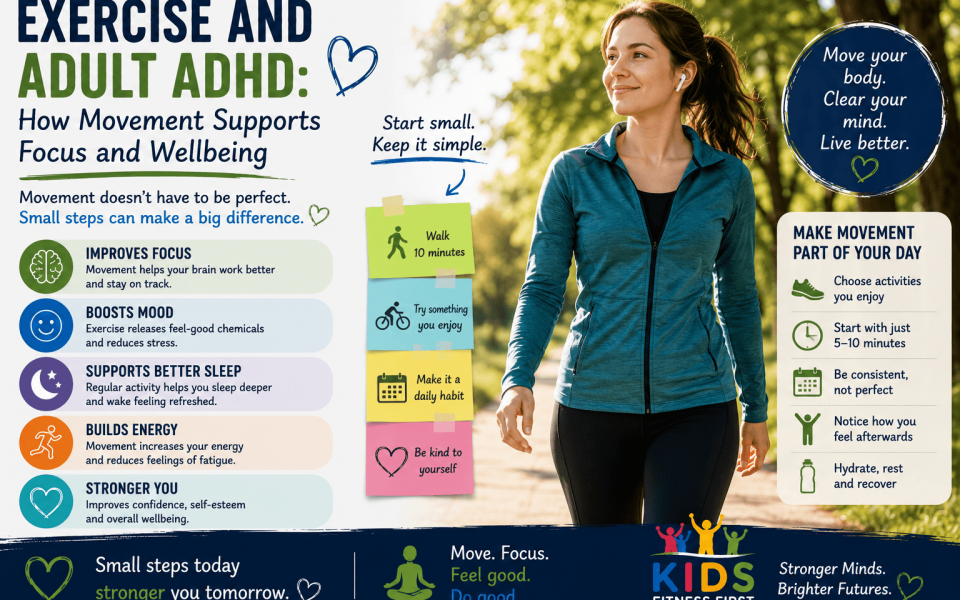
Exercise and Adult ADHD: How Movement Supports Focus and Wellbeing
Regular movement can support focus, emotional wellbeing and healthier daily routines for adults with ADHD. Learn how to make exercise realistic, enjoyable and easier to maintain.
Article archive
Regular movement can support focus, emotional wellbeing and healthier daily routines for adults with ADHD. Learn how to make exercise realistic, enjoyable and easier to maintain.
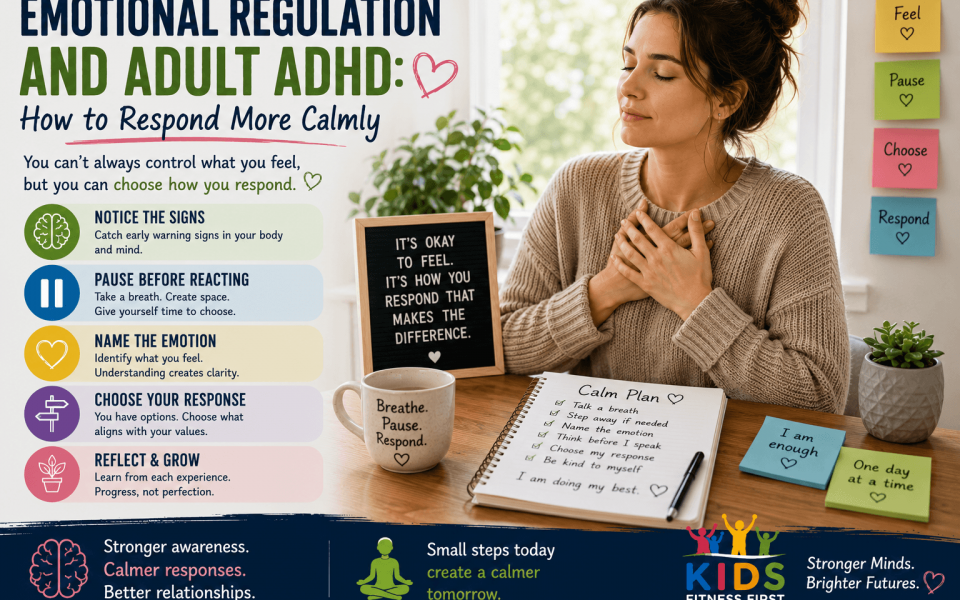
Strong emotions can feel sudden and overwhelming for adults with ADHD. This article explains why emotional regulation can be difficult and offers practical strategies for responding with greater calm, confidence and self-understanding.
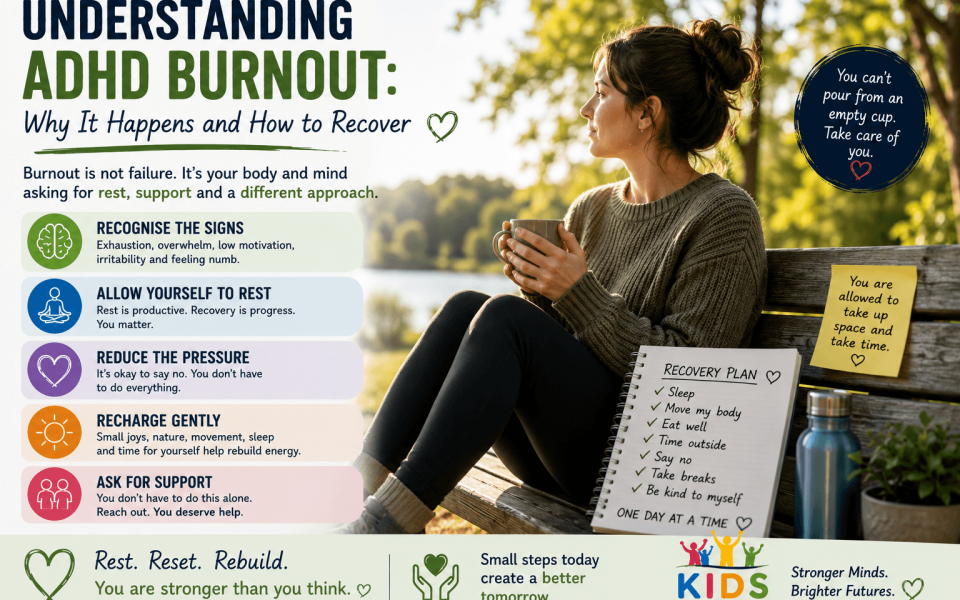
Many adults with ADHD experience burnout after years of masking, overworking and trying to keep up with unrealistic expectations. Learn how to recognise the signs and recover in a healthier, more sustainable way.
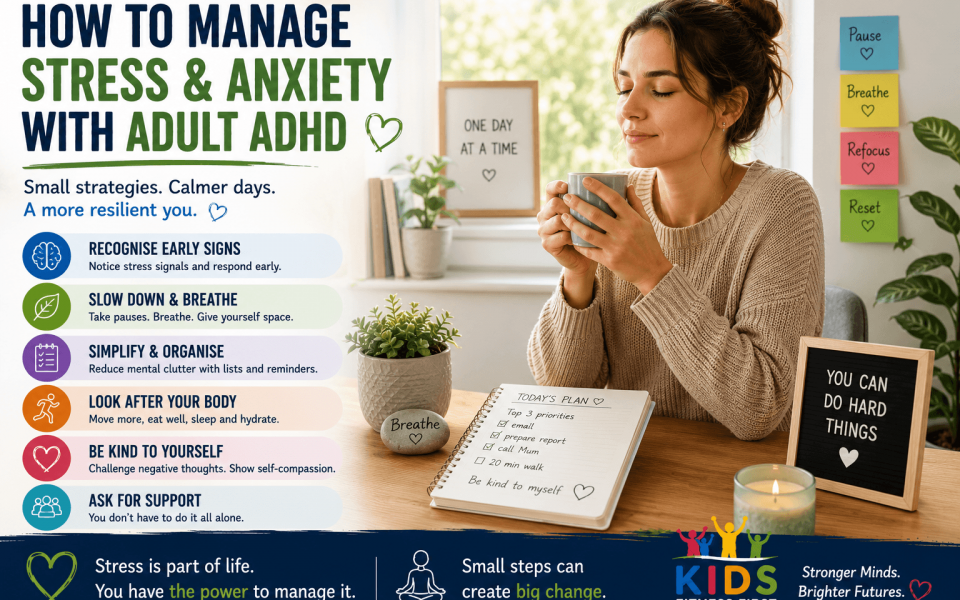
Stress and anxiety are common experiences for many adults with ADHD. Learn why they occur and discover practical strategies to reduce overwhelm and regain a sense of control.
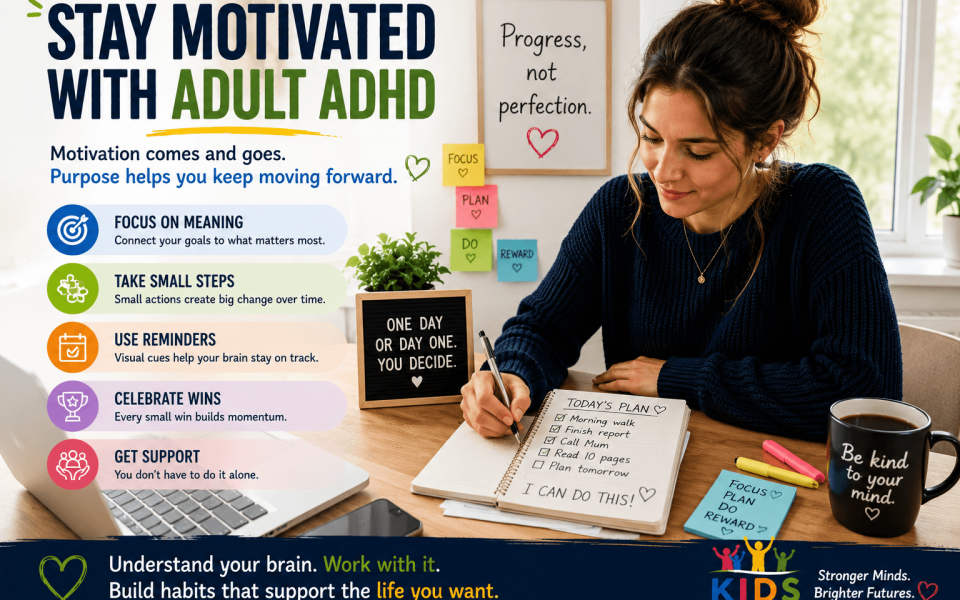
Staying motivated with adult ADHD can feel challenging, especially when excitement fades. Learn why motivation changes and discover practical ways to keep moving forward without relying on willpower alone.
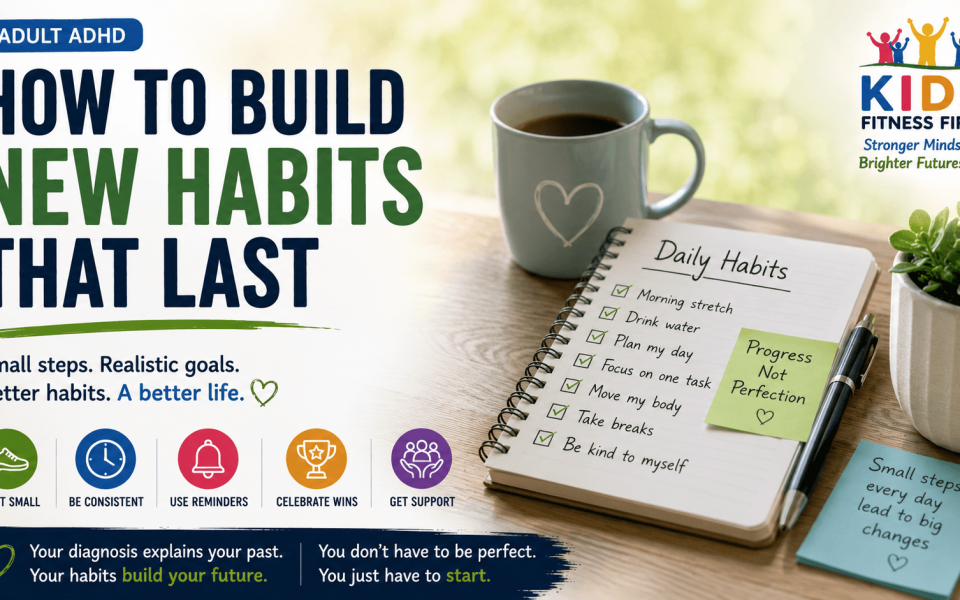
Building new habits with adult ADHD isn’t about becoming perfect—it’s about creating routines that work with your strengths. Discover practical, realistic strategies to help you develop confidence, consistency and positive daily habits.
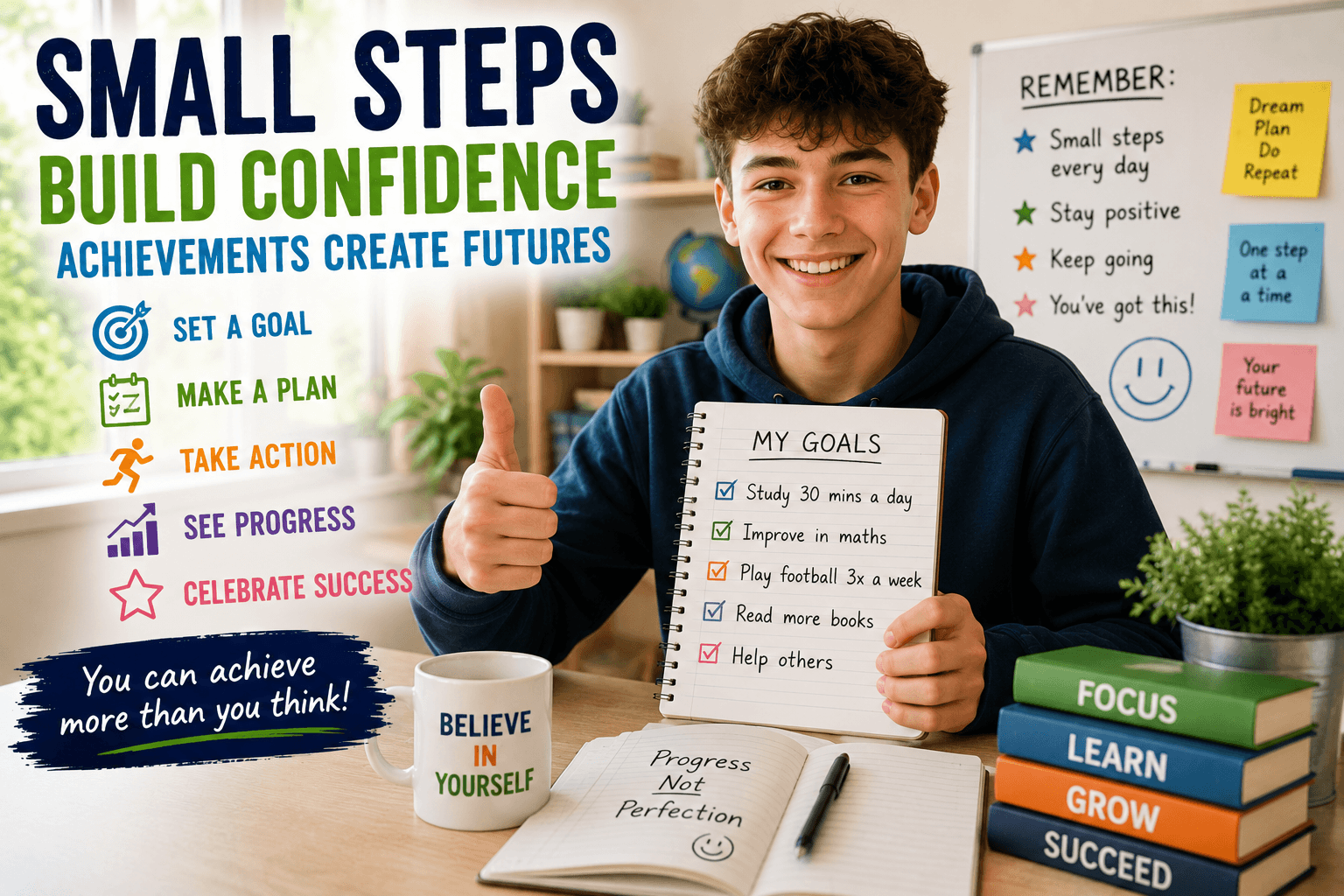
Learn practical, strengths-based ways parents and teachers can help teenagers build lasting confidence through meaningful achievements.
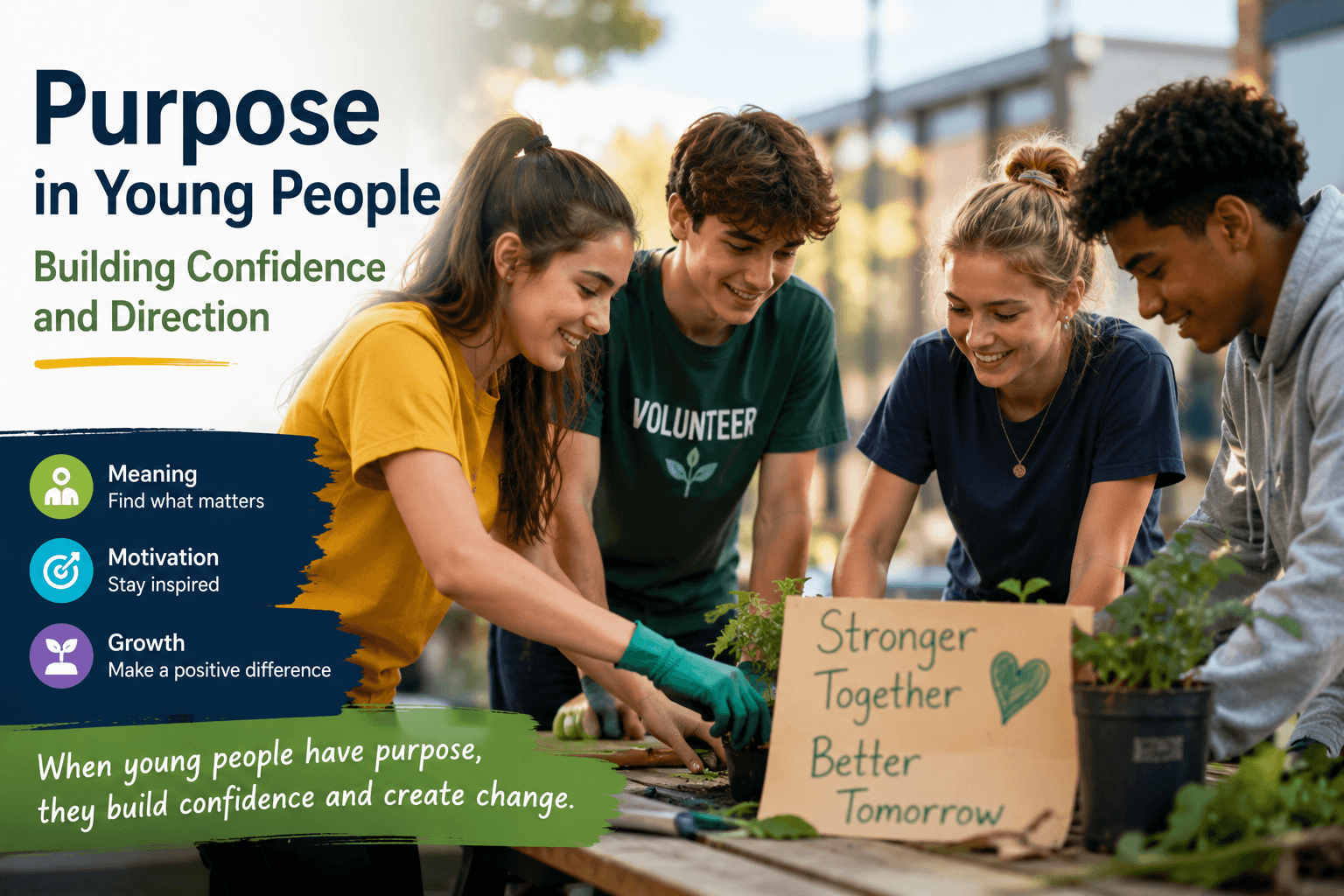
Purpose in young people helps build confidence, motivation and resilience. Learn how parents and teachers can encourage meaningful growth and participation.
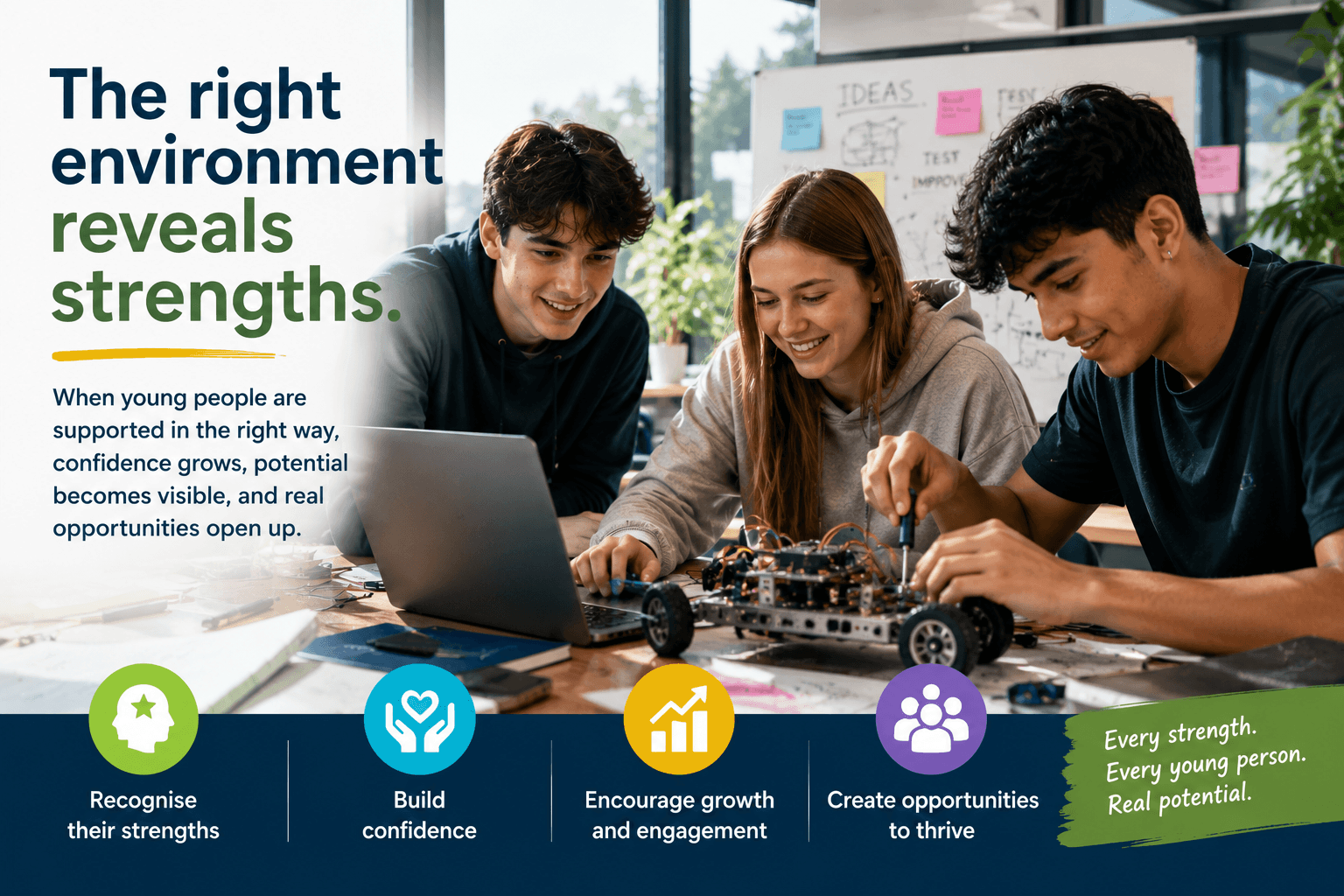
Many children and young people show their abilities in unexpected ways. This article explores how the right environment for strengths can reveal talents, build confidence, and create opportunities for meaningful contribution.

Resilience in young people is not about avoiding difficulties. It is about learning how to adapt, recover and continue growing when challenges arise. Parents, teachers and communities can all help young people develop this important life skill.
Download the FREE first chapter of The X Variable and discover every child’s hidden strengths.
Instant PDF Download
Practical Guidance