Signs of Adult ADHD That Are Often Missed Until Later in Life
Description
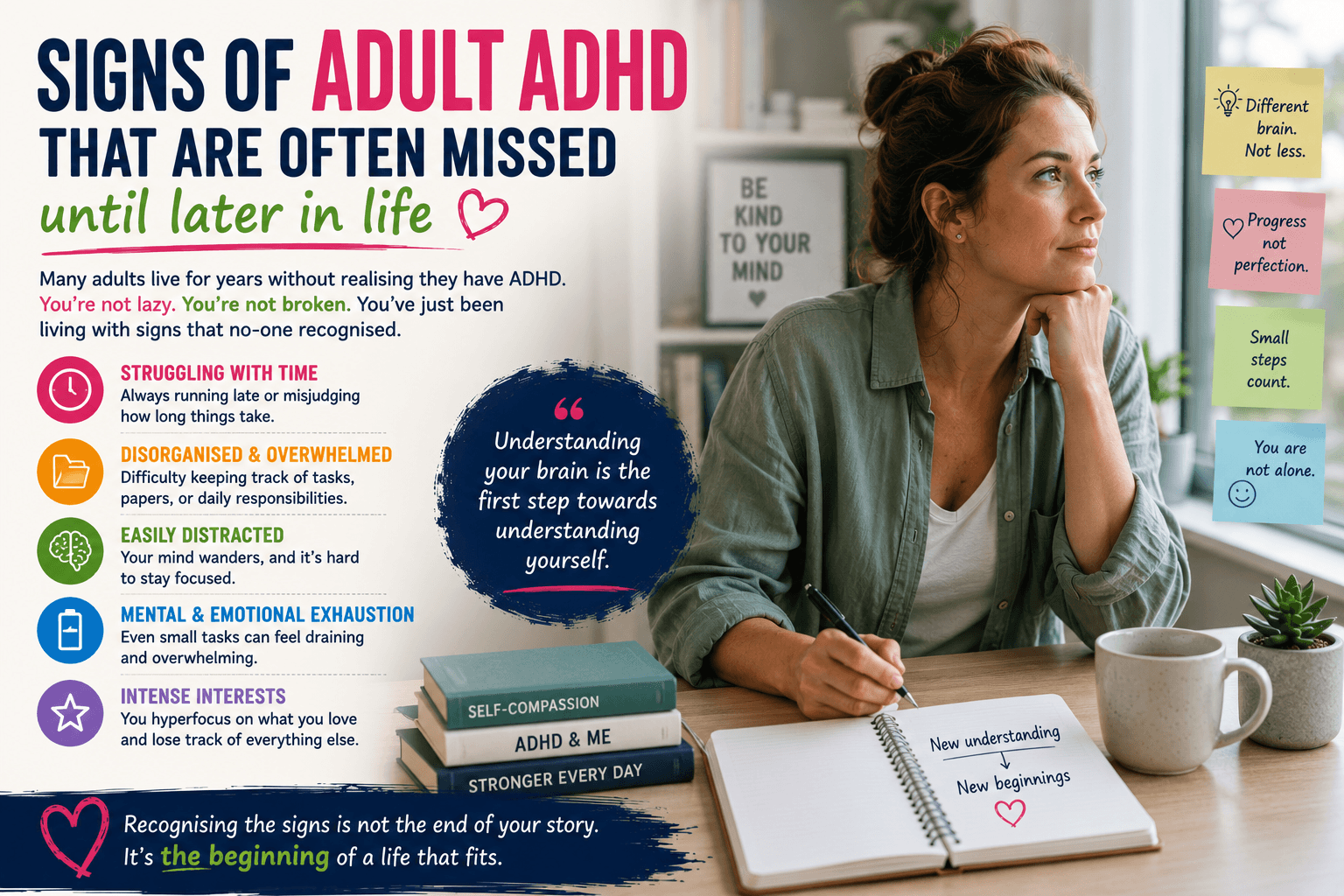
An adult looking thoughtfully into the distance, representing the moment of recognising long-overlooked ADHD traits and beginning a journey of understanding.
Article archive
Description
An adult looking thoughtfully into the distance, representing the moment of recognising long-overlooked ADHD traits and beginning a journey of understanding.
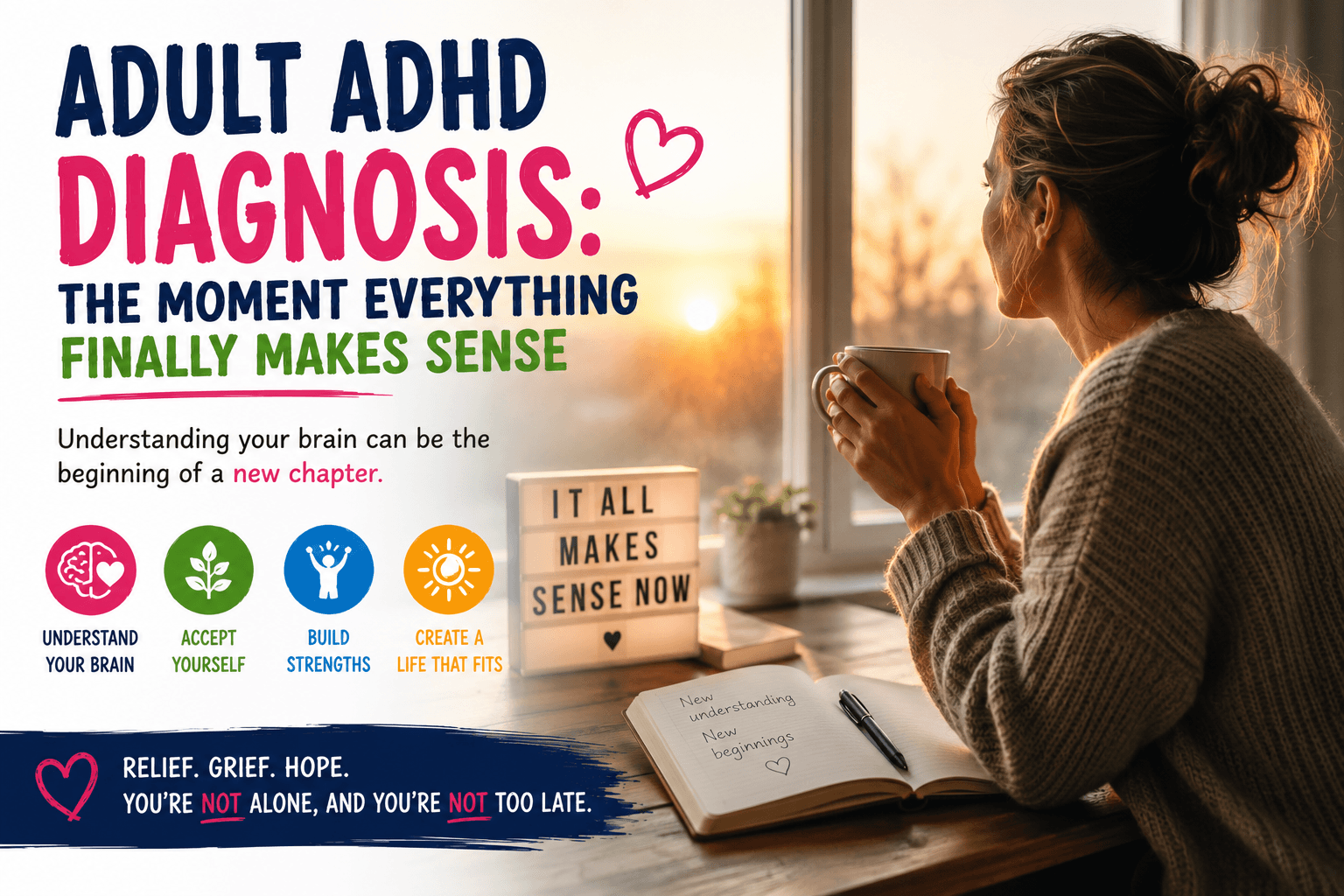
Receiving an adult ADHD diagnosis can feel life-changing. Discover why so many adults experience both relief and grief, and how understanding your brain can become the beginning of a new chapter.
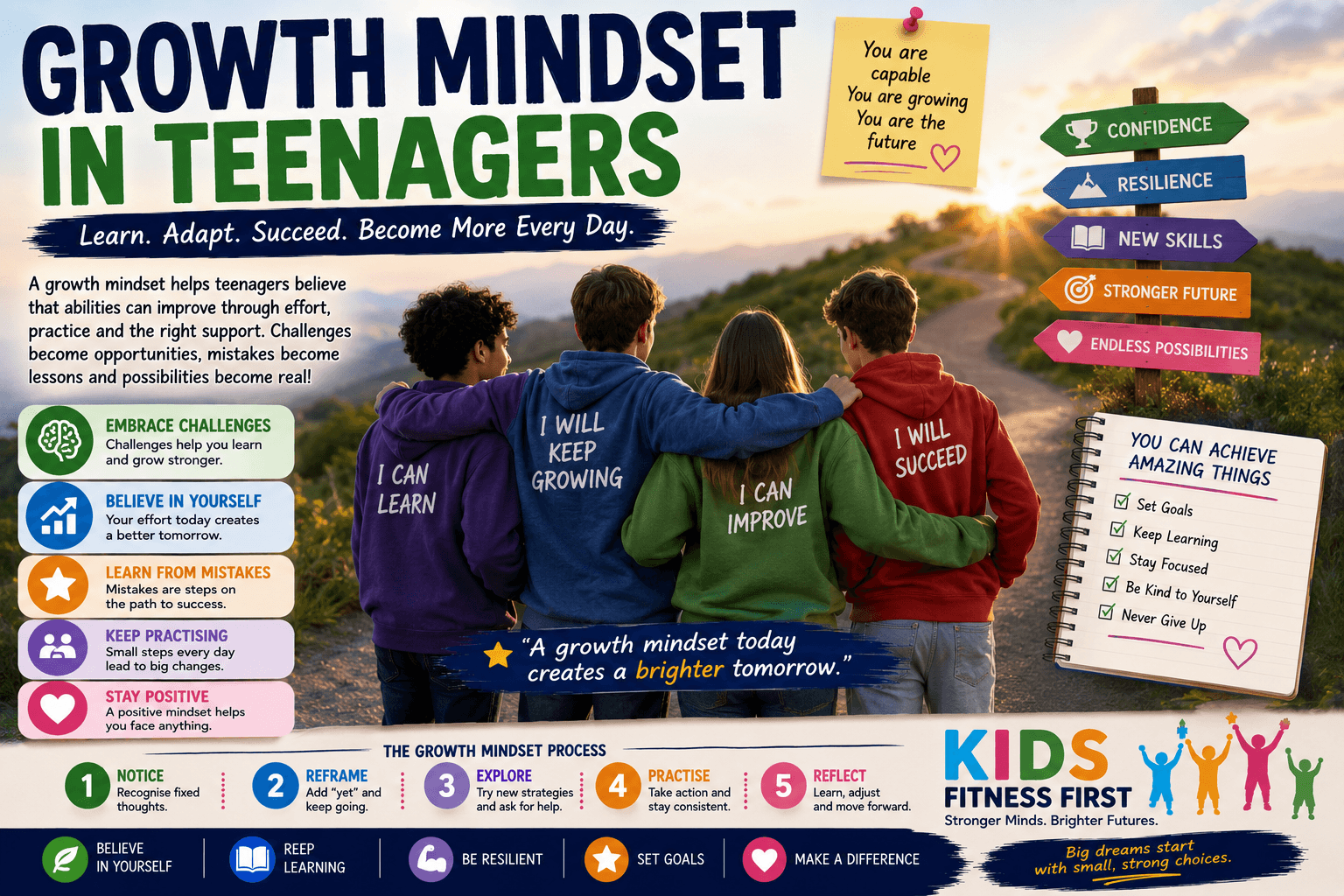
A growth mindset helps teenagers understand that abilities can improve through effort, practice and support. Discover how parents, teachers and mentors can encourage resilience, confidence and lifelong learning.
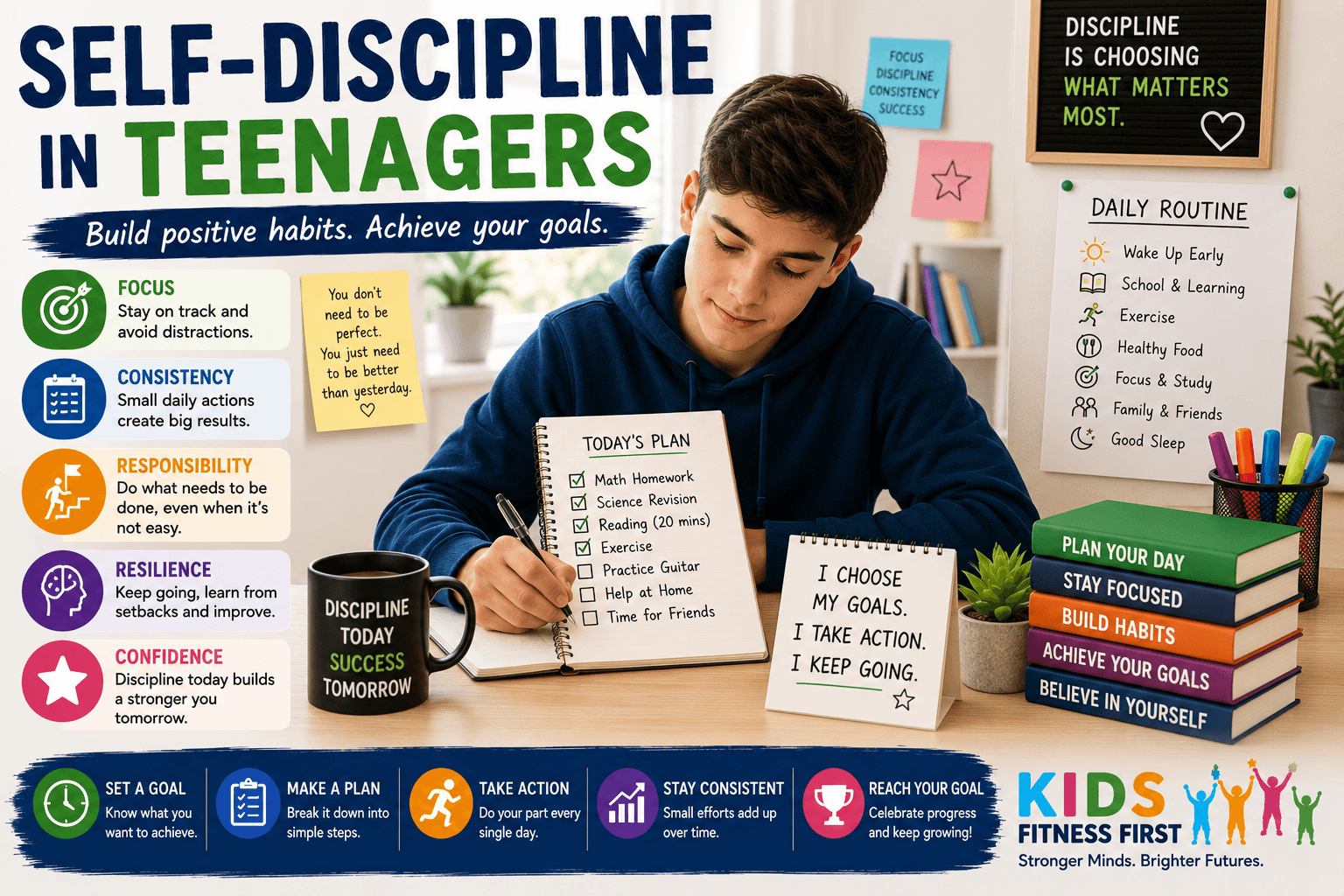
Self-discipline helps teenagers manage distractions, complete responsibilities and continue working towards important goals. Discover how parents, teachers and mentors can encourage positive habits without using excessive pressure or control.
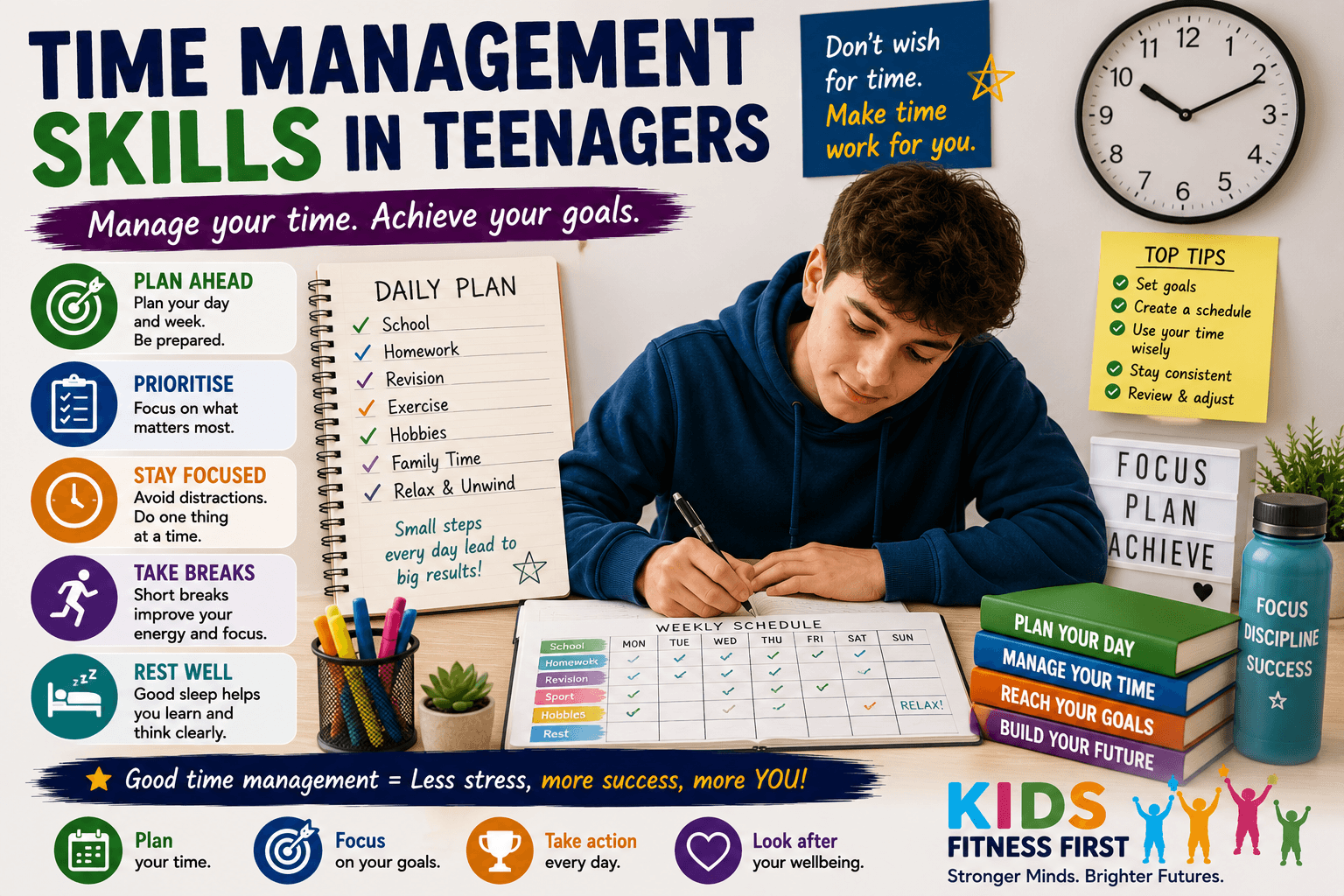
Time management helps teenagers organise responsibilities without becoming overwhelmed. Learn how parents, teachers and mentors can support young people in planning their time, reducing distractions and creating healthier routines.
Excerpt
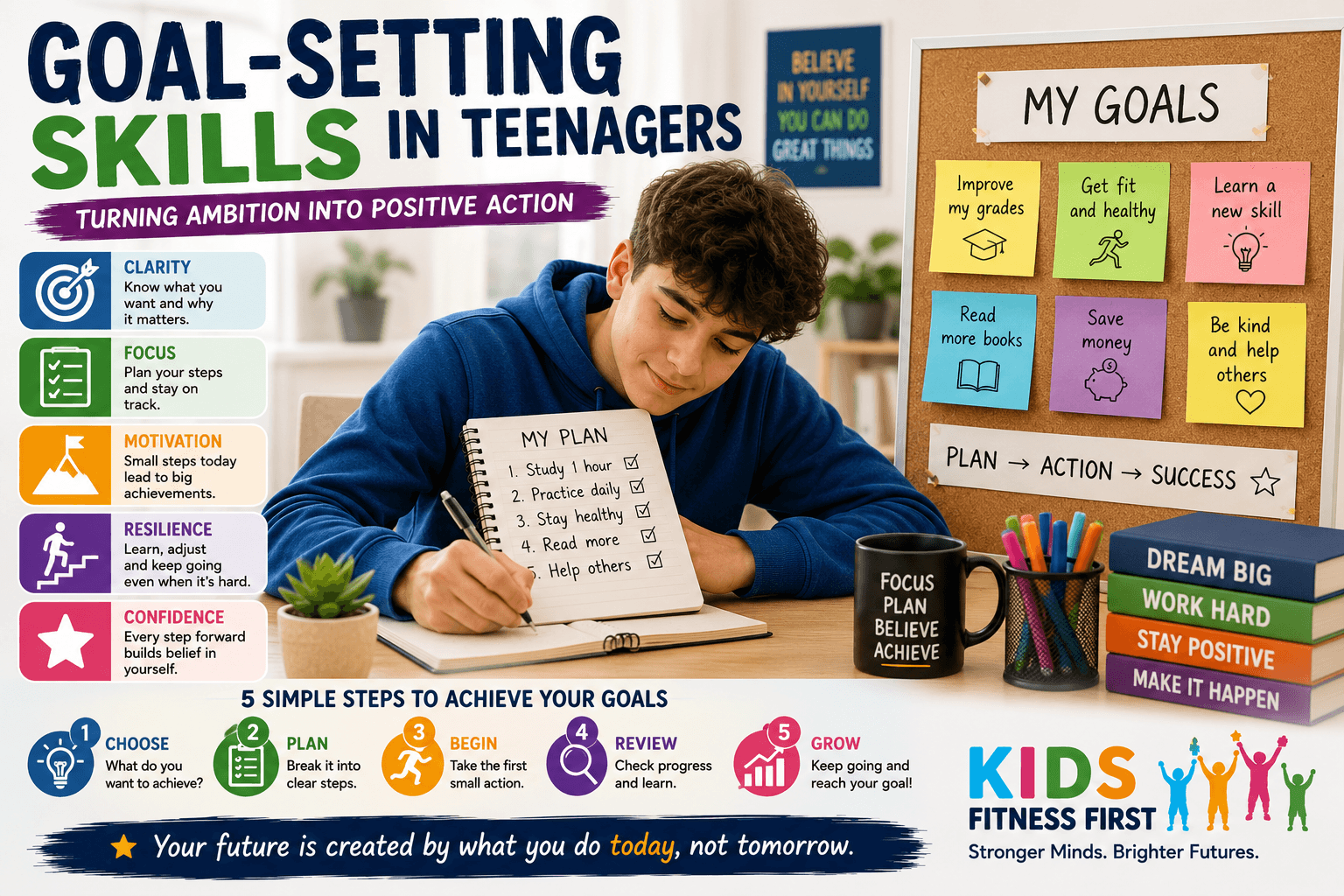
Goal setting helps teenagers turn hopes and ideas into practical action. Learn how parents, teachers and mentors can help young people create realistic goals, remain motivated and build confidence through progress.
Excerpt
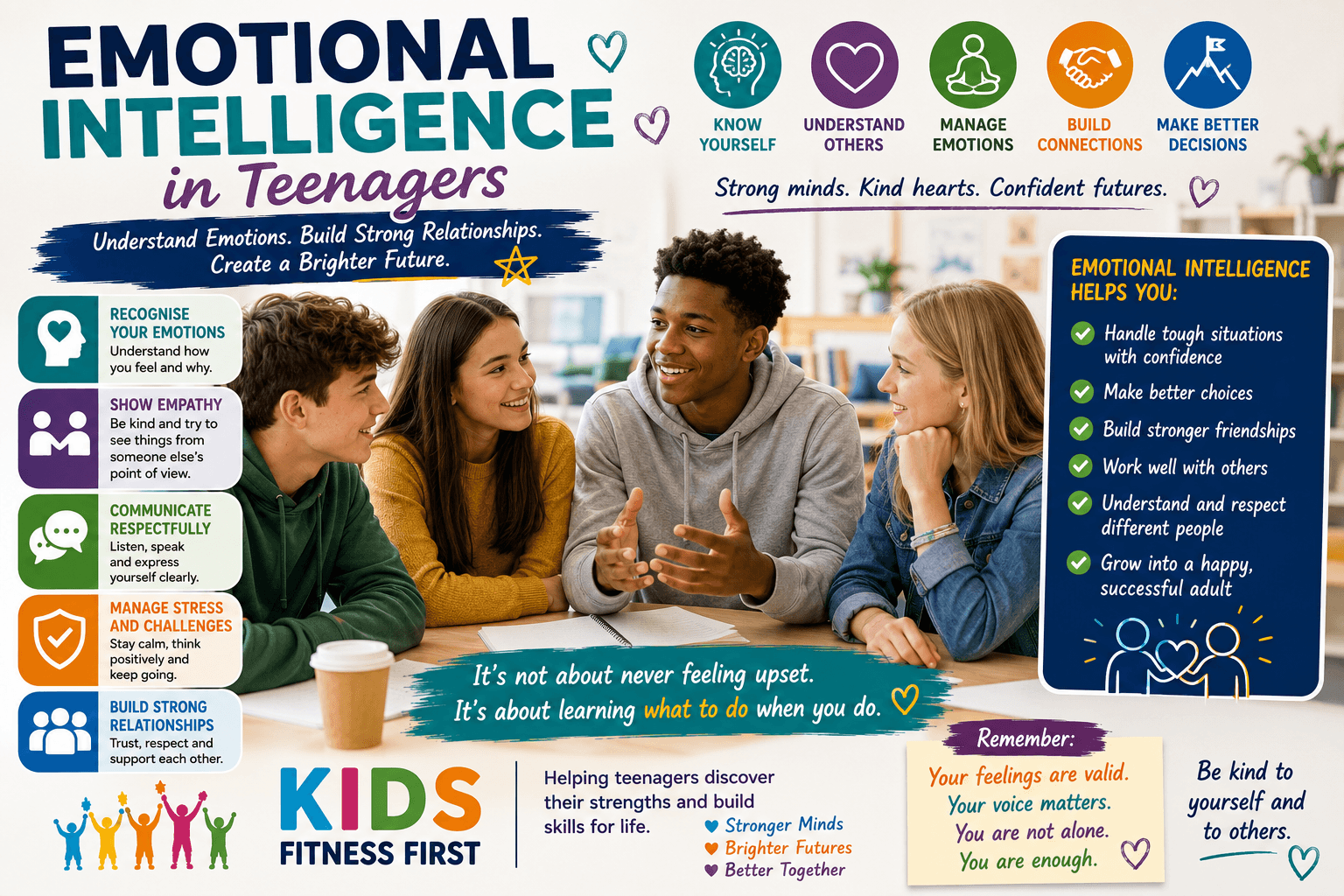
Emotional intelligence is one of the most valuable life skills teenagers can develop. Learn how parents, teachers and mentors can help young people understand emotions, manage challenges and build positive relationships.
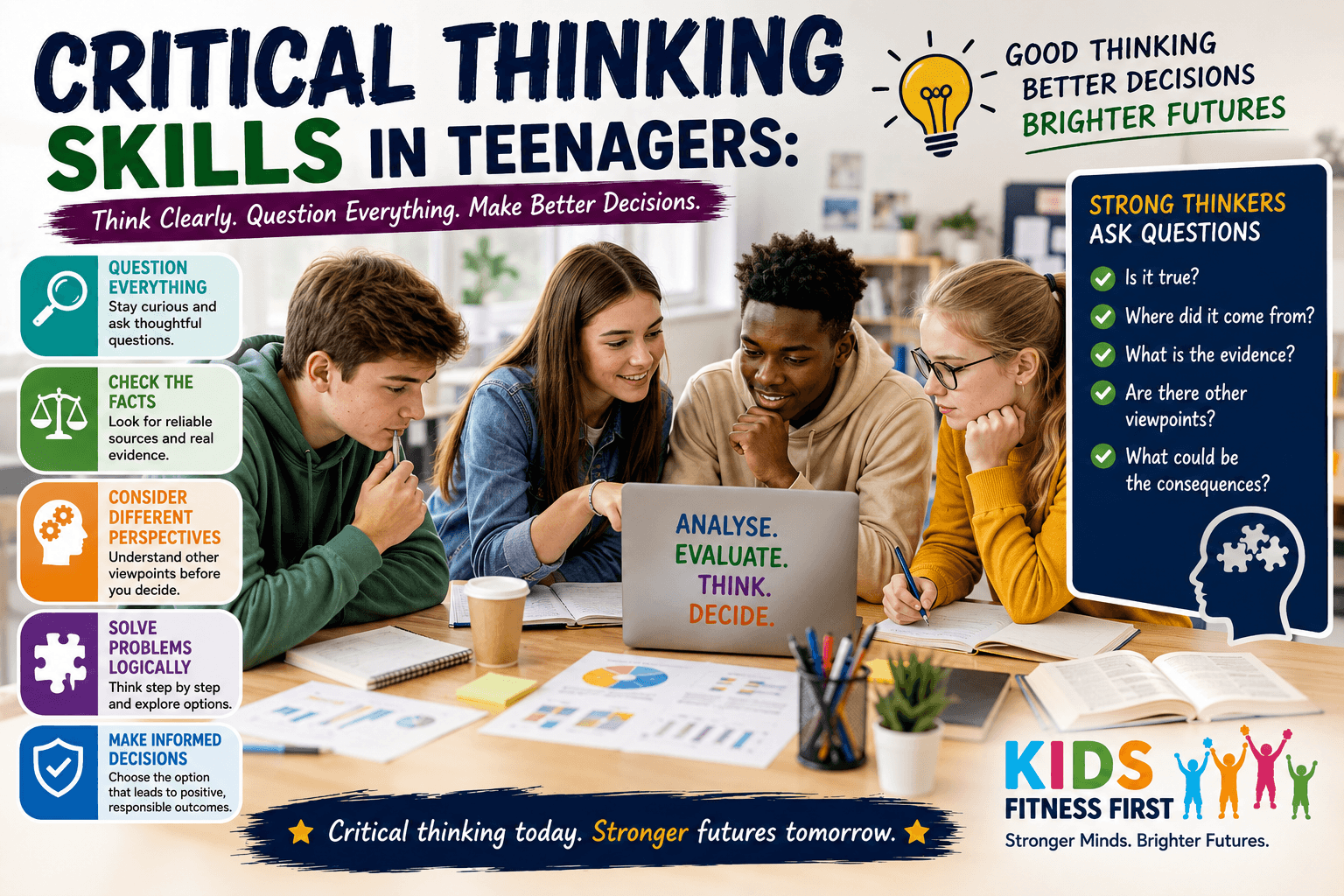
Critical thinking is one of the most valuable life skills teenagers can develop. Learn how parents and teachers can help young people think independently, evaluate information carefully and make confident decisions.
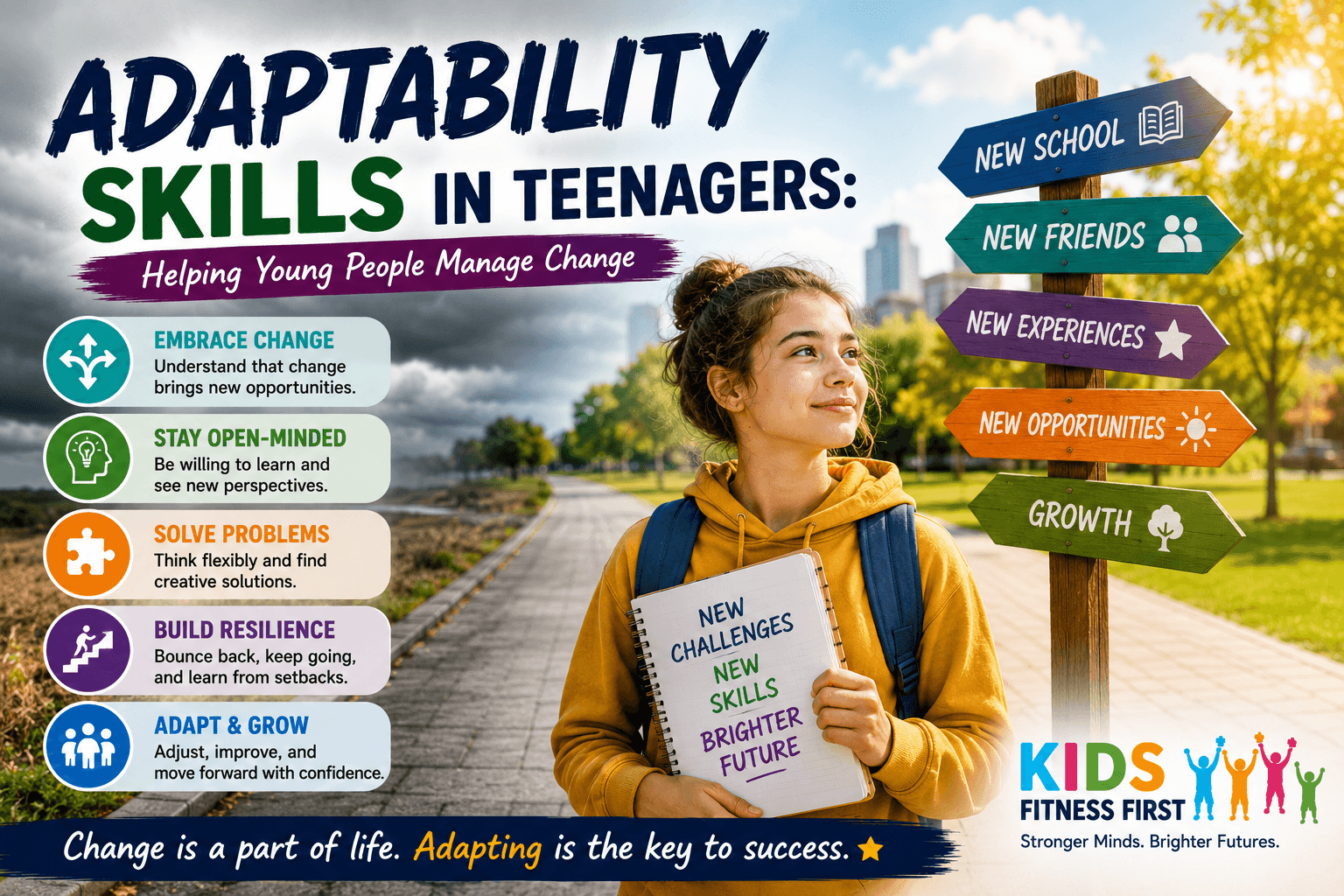
Adaptability is one of the most valuable life skills a teenager can develop. Learn how young people can become more confident, flexible, and prepared for change in school, work, and everyday life.
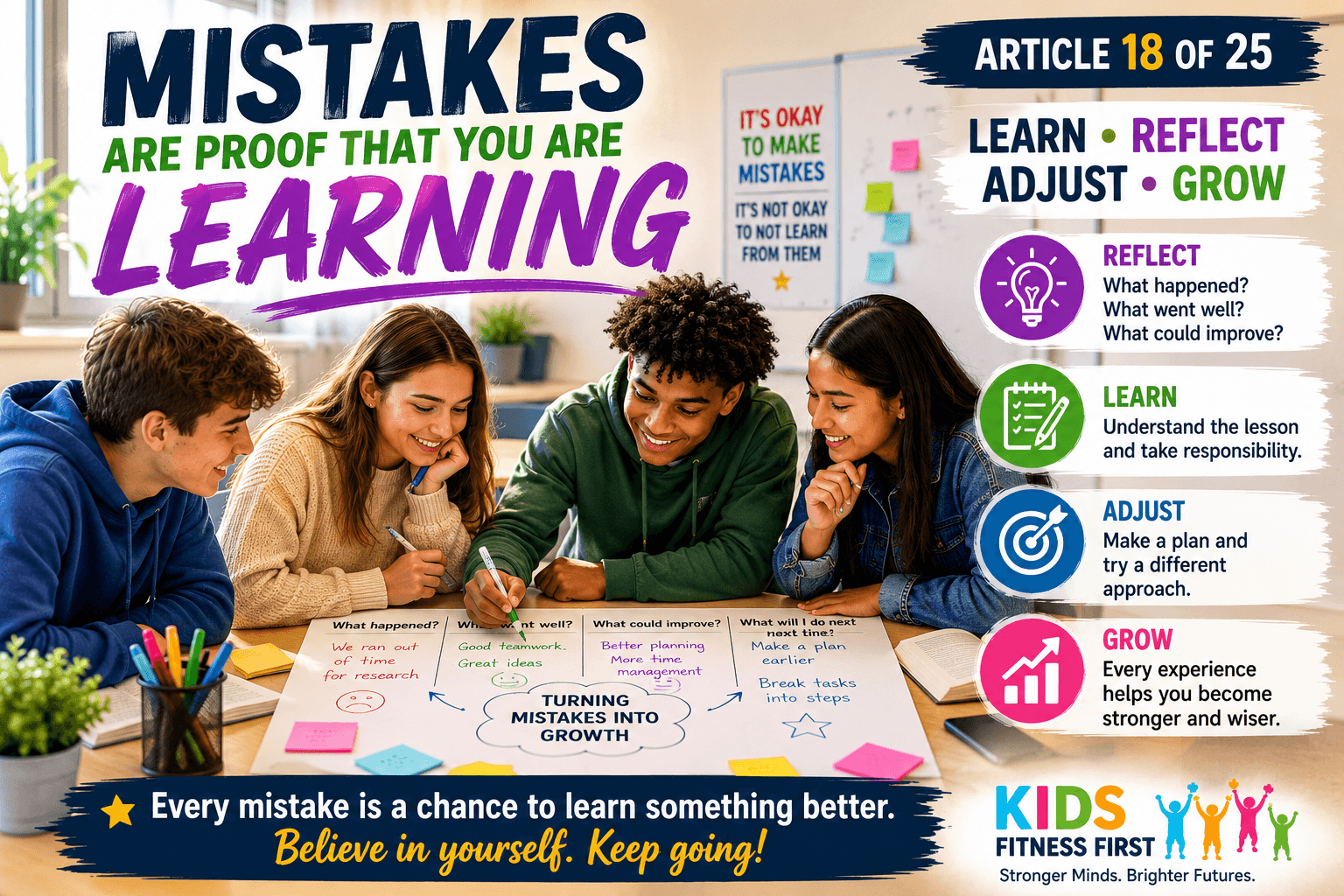
Mistakes are a normal part of learning. Discover practical, strengths-based ways parents and teachers can help teenagers reflect, adjust and move forward with greater confidence.
Download the FREE first chapter of The X Variable and discover every child’s hidden strengths.
Instant PDF Download
Practical Guidance