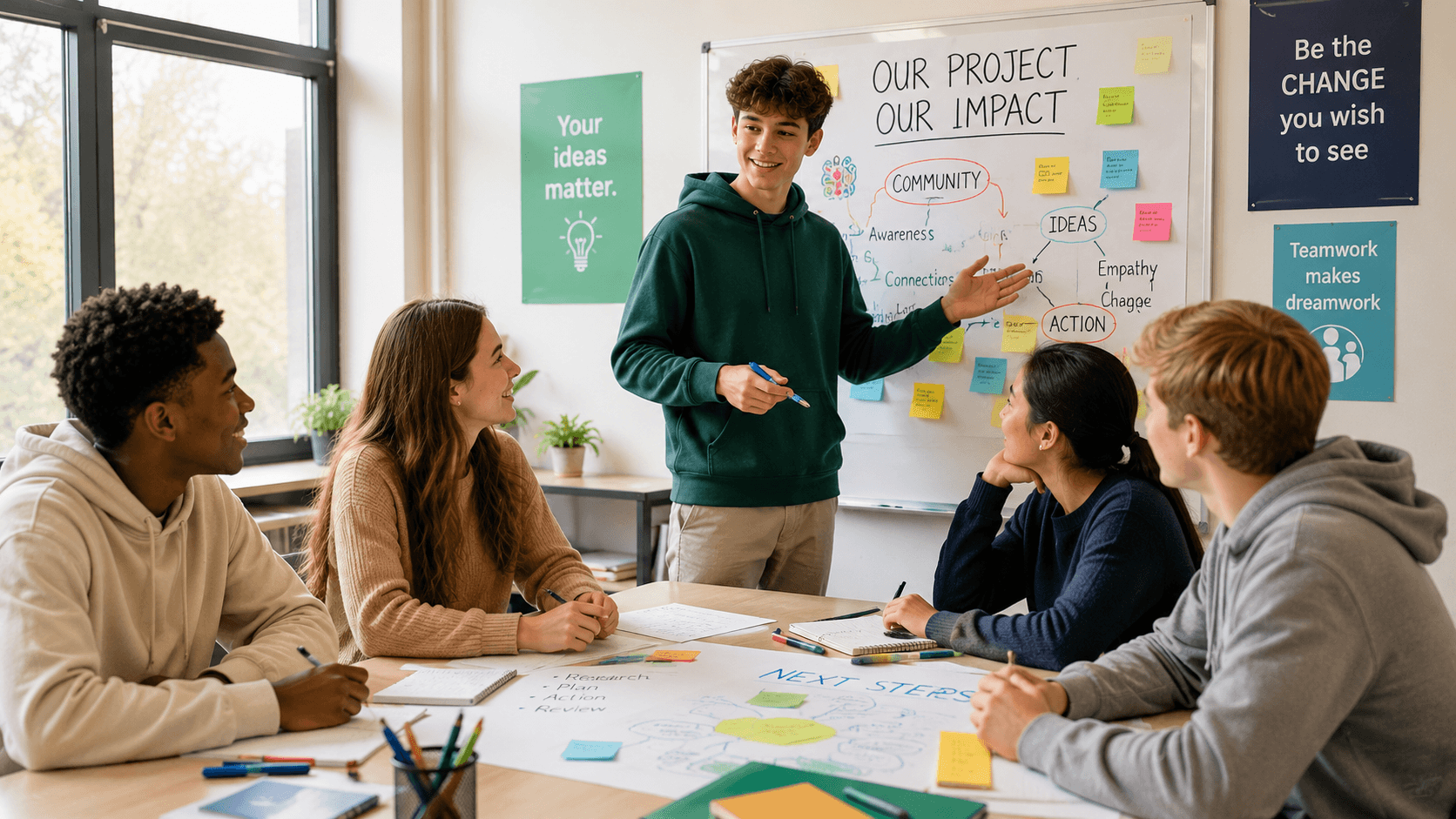
Building Confidence in Teenagers Through Strengths and Success
Building confidence in teenagers is not about constant praise. It is about recognising strengths, encouraging participation and creating opportunities for success.
Articles and posts
Longer-form posts exploring ADHD, neurodiversity, wellbeing and strength-first ways to understand ability.
From the charity
Read our newest articles about ADHD, neurodiversity, wellbeing and recognising strengths.
Building confidence in teenagers is not about constant praise. It is about recognising strengths, encouraging participation and creating opportunities for success.
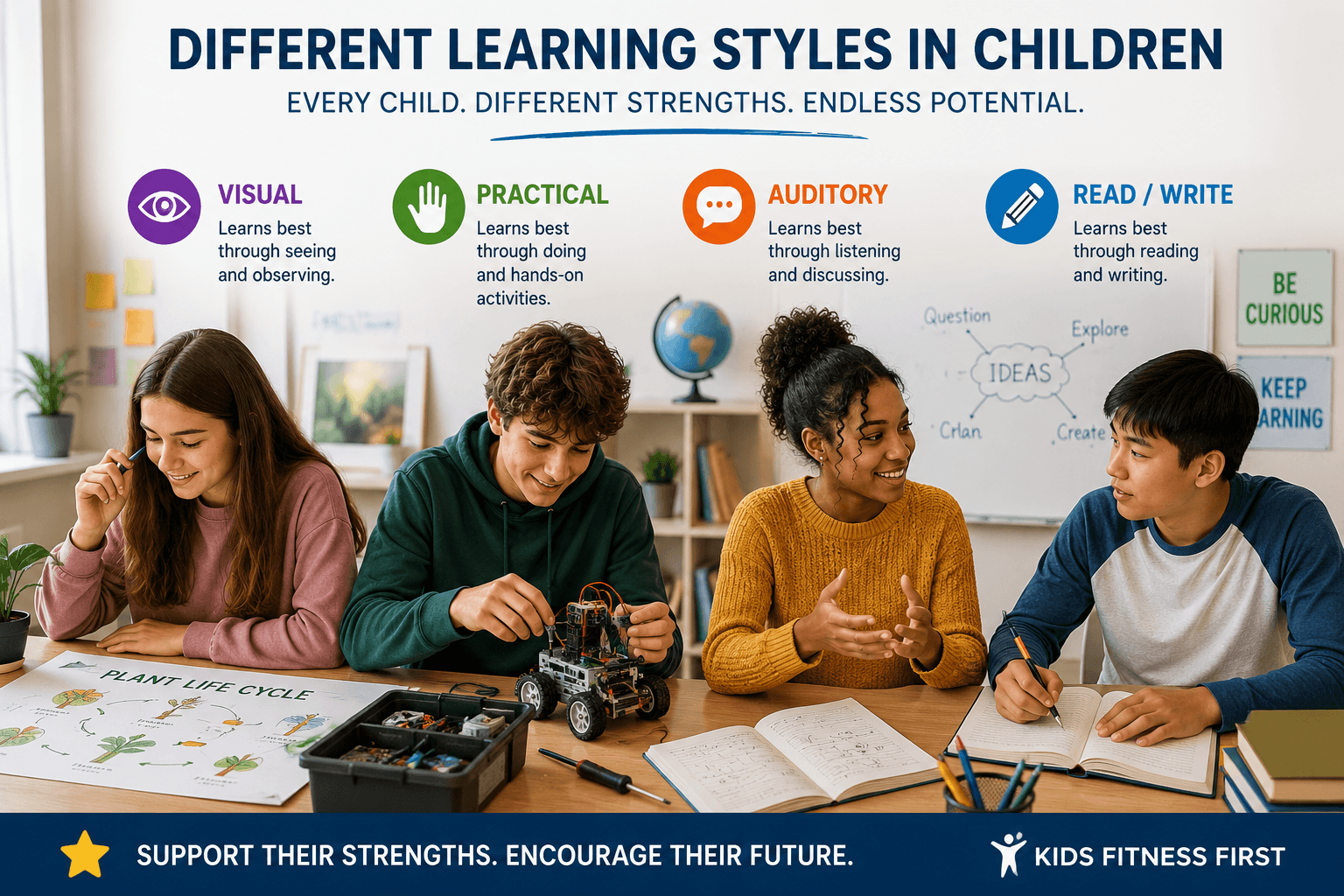
Every child learns differently. Discover why recognising different learning styles in children can help build confidence, engagement and a stronger love of learning at home and in school.
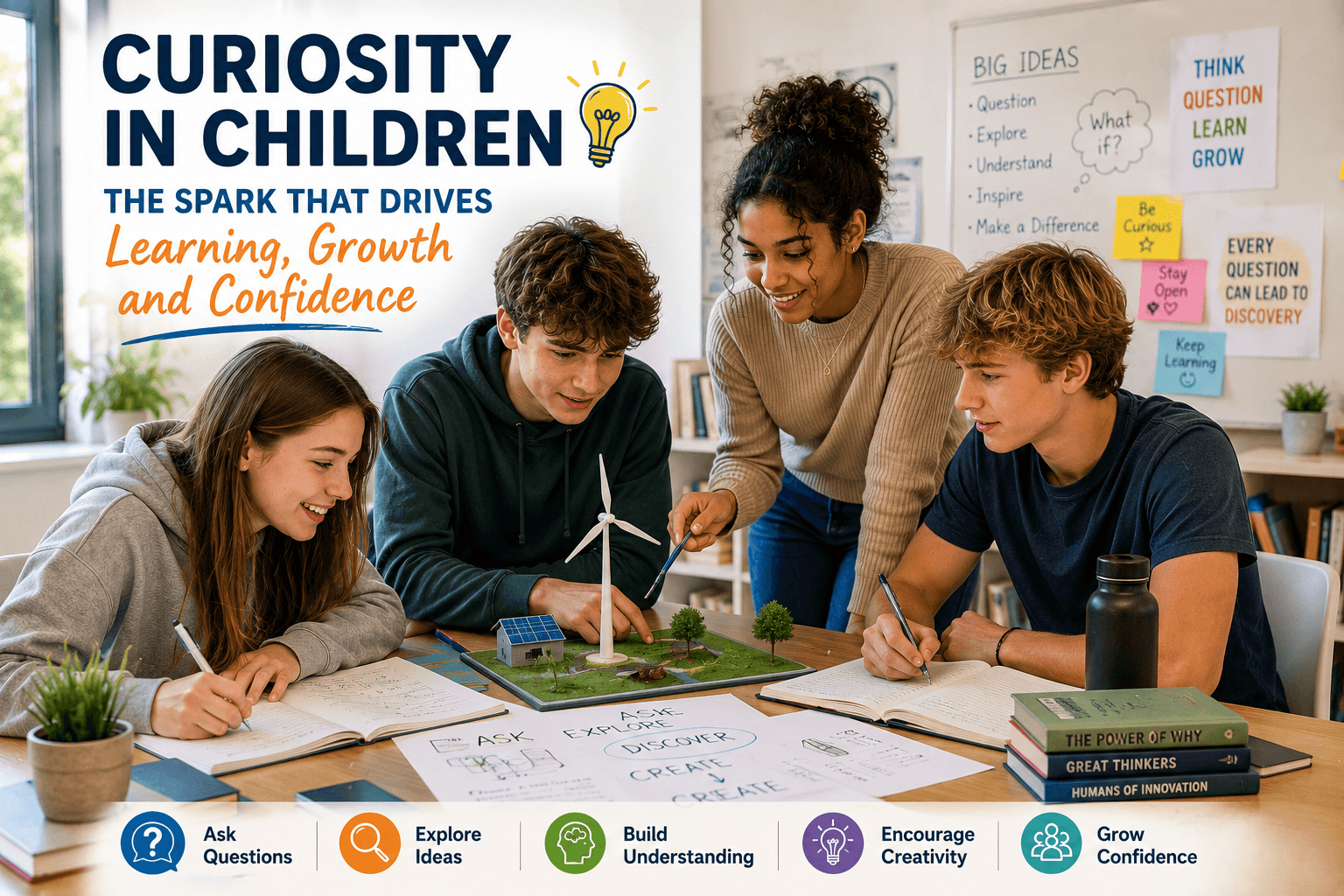
Curiosity in children is a powerful driver of learning, creativity and confidence. Learn practical ways to encourage curiosity and help young people explore their interests and strengths.
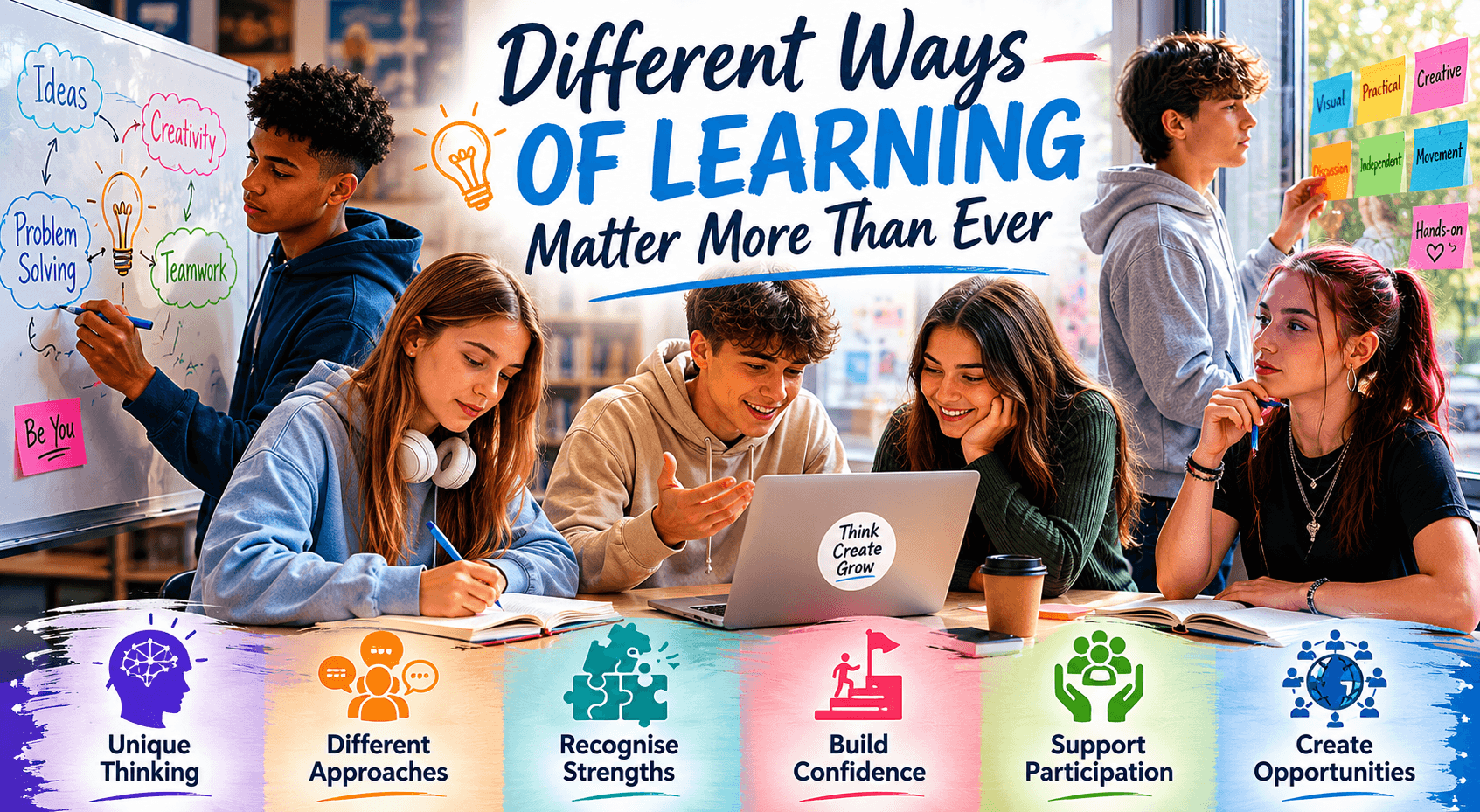
Every child learns differently. Understanding different ways of learning can help parents, teachers and schools create environments where confidence, participation and strengths can flourish.
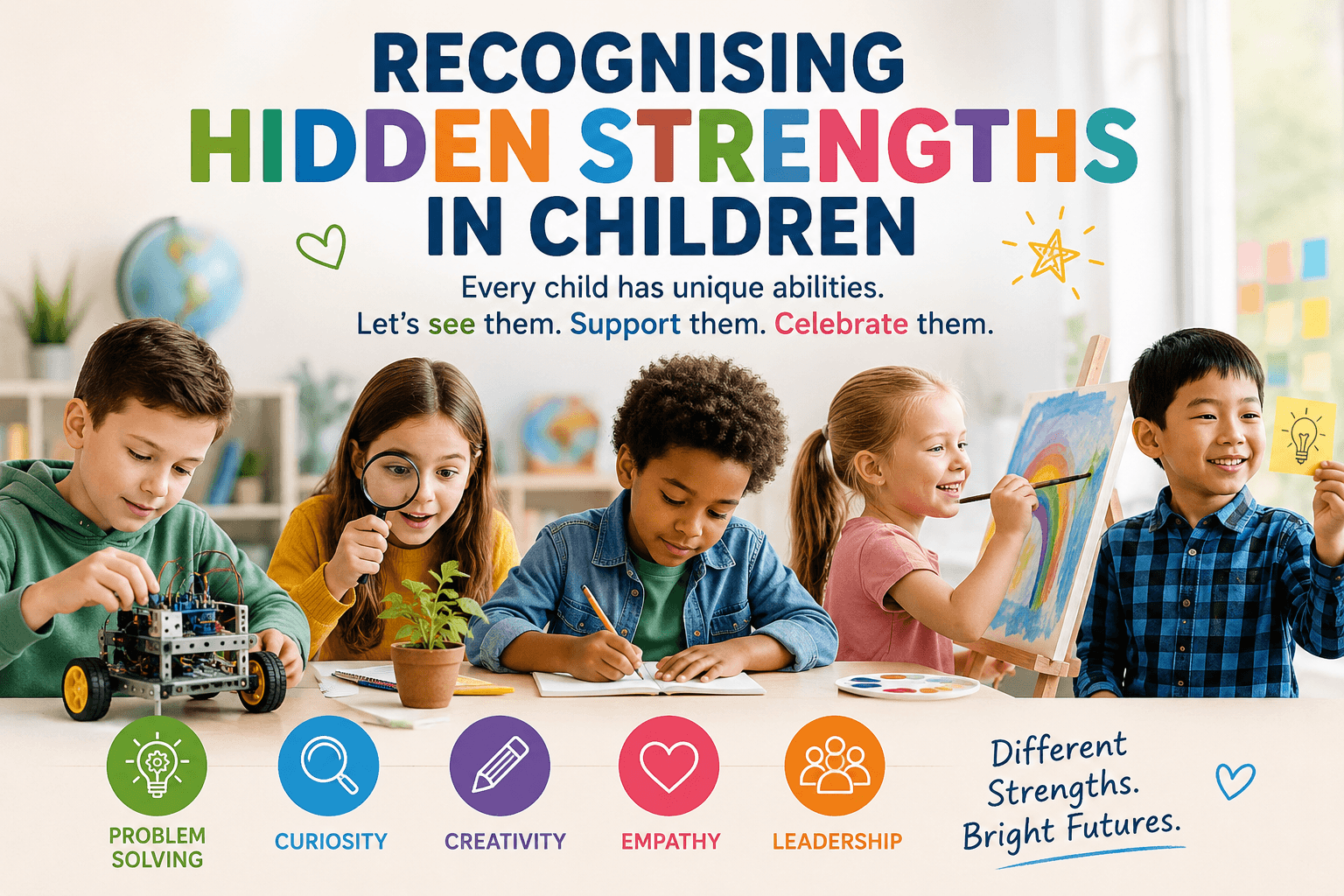
Many children possess talents and abilities that may not always be visible through traditional measures of success. This article explores how recognising hidden strengths in children can help parents, teachers and communities build confidence, encourage participation and create environments where every child can thrive.
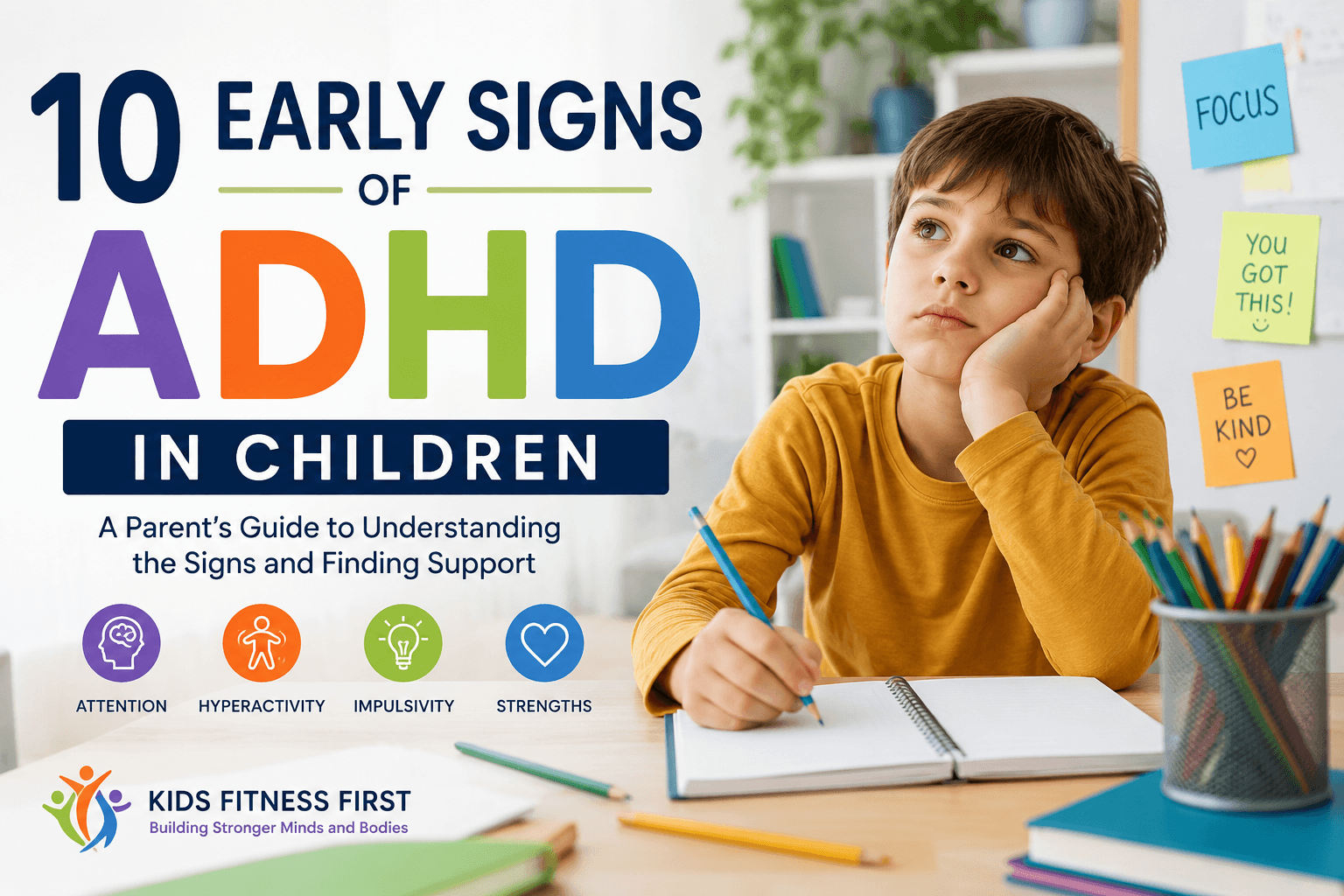
Many parents wonder whether their child’s behaviour is typical or could indicate something more. This guide explores 10 early signs of ADHD in children, including attention difficulties, impulsivity, forgetfulness, emotional intensity, and challenges with organisation. Learn how to recognise potential indicators, understand common strengths associated with ADHD, and discover when it may be appropriate to seek professional support.
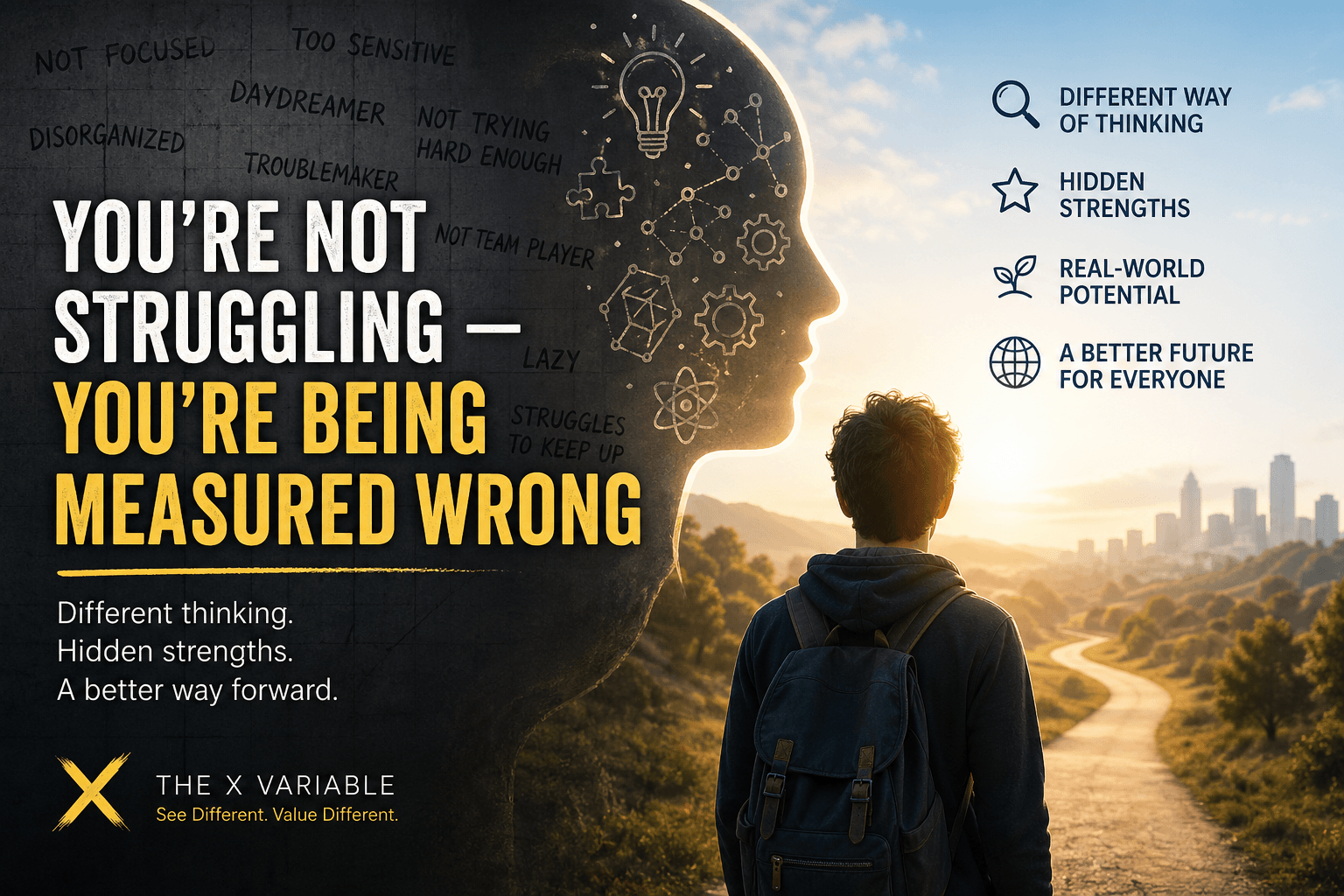
Many capable people are not underperforming—they are being measured by systems that don’t reflect how they think. This article explores a different perspective on recognising strengths and understanding human potential.
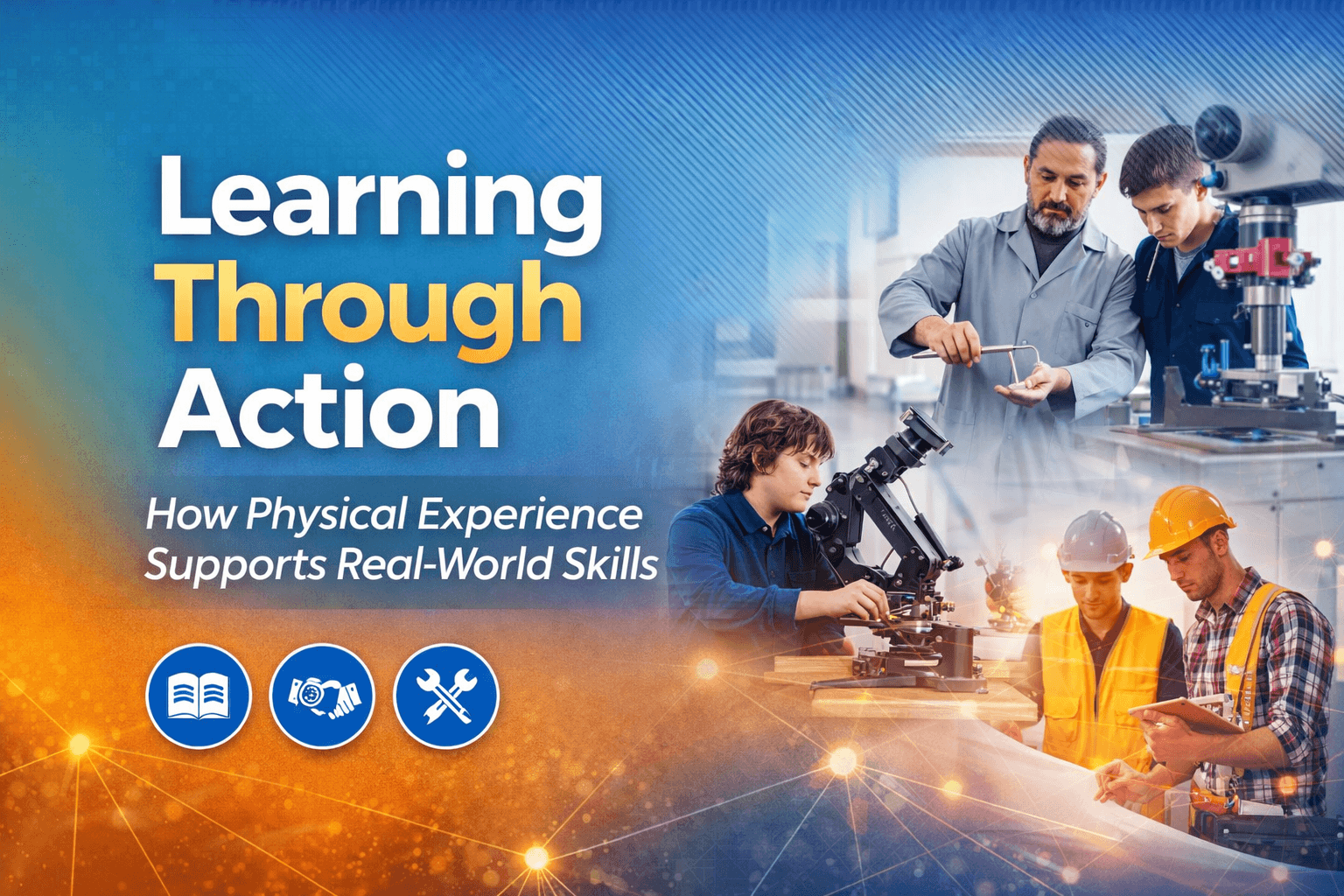
Learning becomes more meaningful when it is experienced, not just understood. This article examines how hands-on, physical engagement supports skill development and connects knowledge to real-world application.

Digital experiences are shaping how skills develop—but their true value emerges when applied beyond the screen. This article explores how interests such as gaming, strategy, and digital interaction can connect to real-world skills like problem-solving, planning, and hands-on creation, offering a practical perspective on modern learning.

A man once labelled “Britain’s naughtiest kid” during his school years has gone on to run a successful international school in Thailand. His story highlights an important lesson in education: early labels do not always define a person’s future potential. This article explores the story behind the headlines and what it reveals about different learning styles, education systems, and the importance of recognising strengths in young people.
Download the FREE first chapter of The X Variable and discover every child’s hidden strengths.
Instant PDF Download
Practical Guidance