
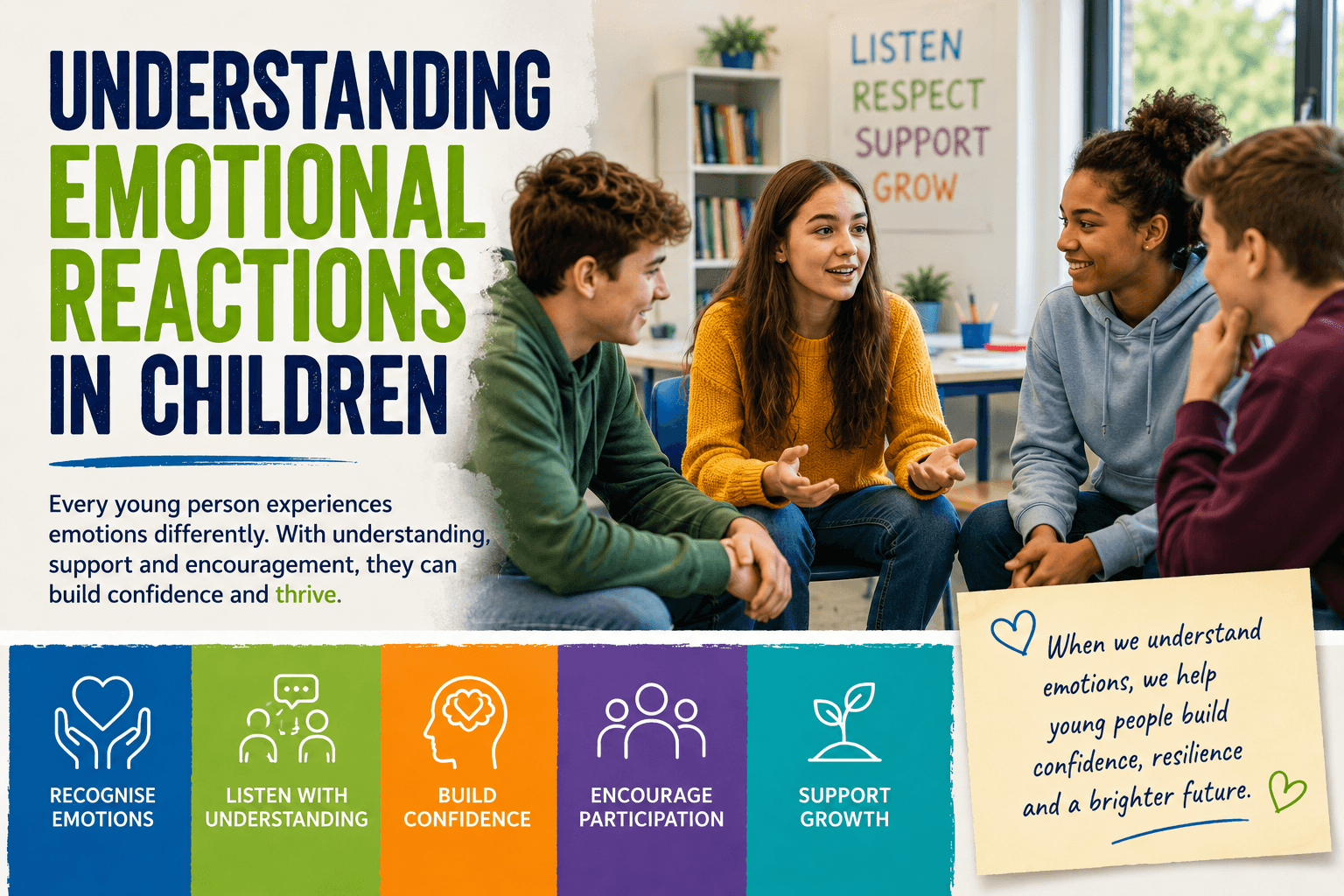
Understanding Emotional Reactions in Children
Emotional reactions are part of every child’s development. Learn practical, strengths-based ways to understand emotions, encourage confidence and create supportive environments at home and school.
Article archive
Emotional reactions are part of every child’s development. Learn practical, strengths-based ways to understand emotions, encourage confidence and create supportive environments at home and school.
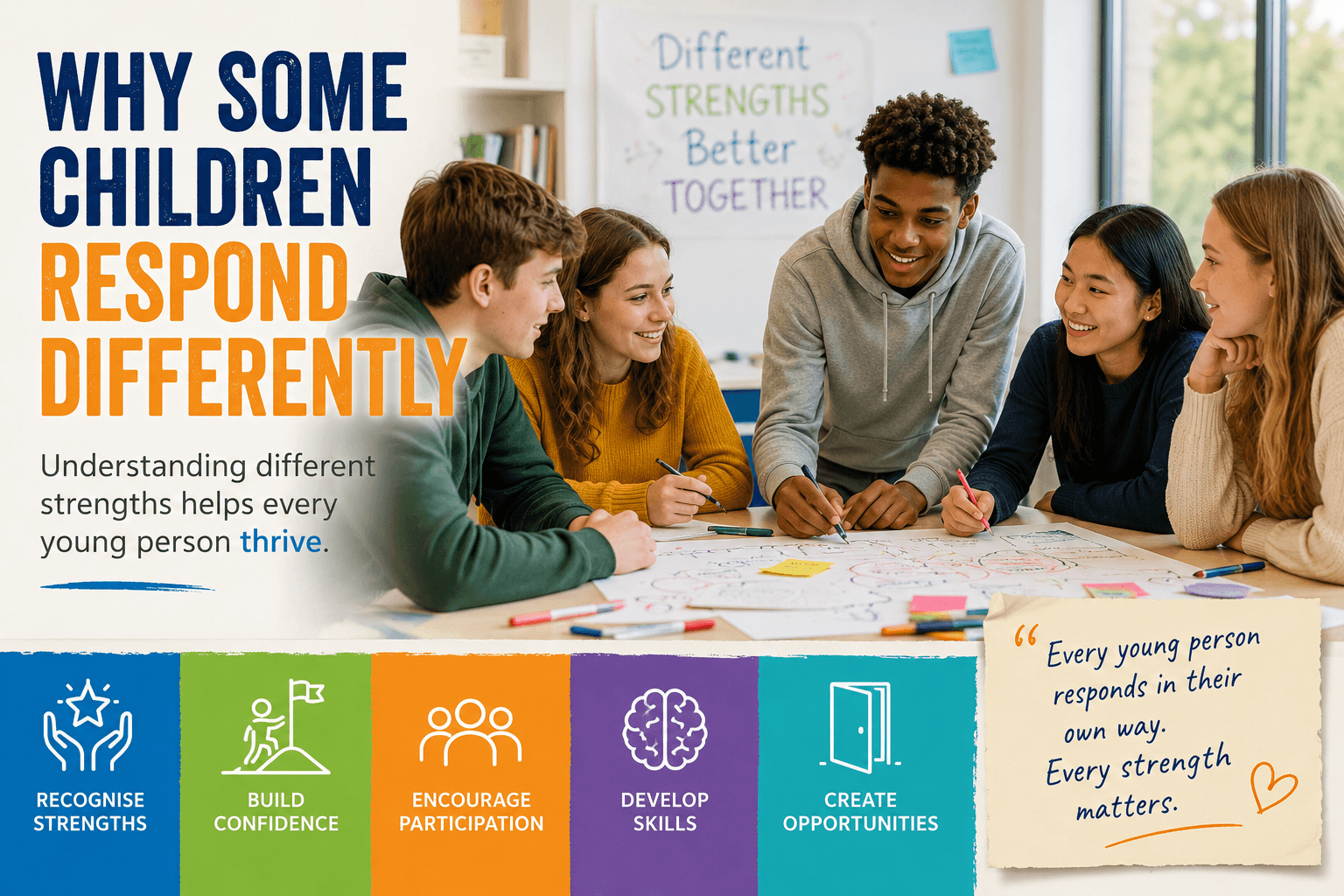
Every child experiences the world differently. Discover why some children respond differently to everyday situations and how parents and teachers can recognise strengths while encouraging confidence, participation and lifelong learning.
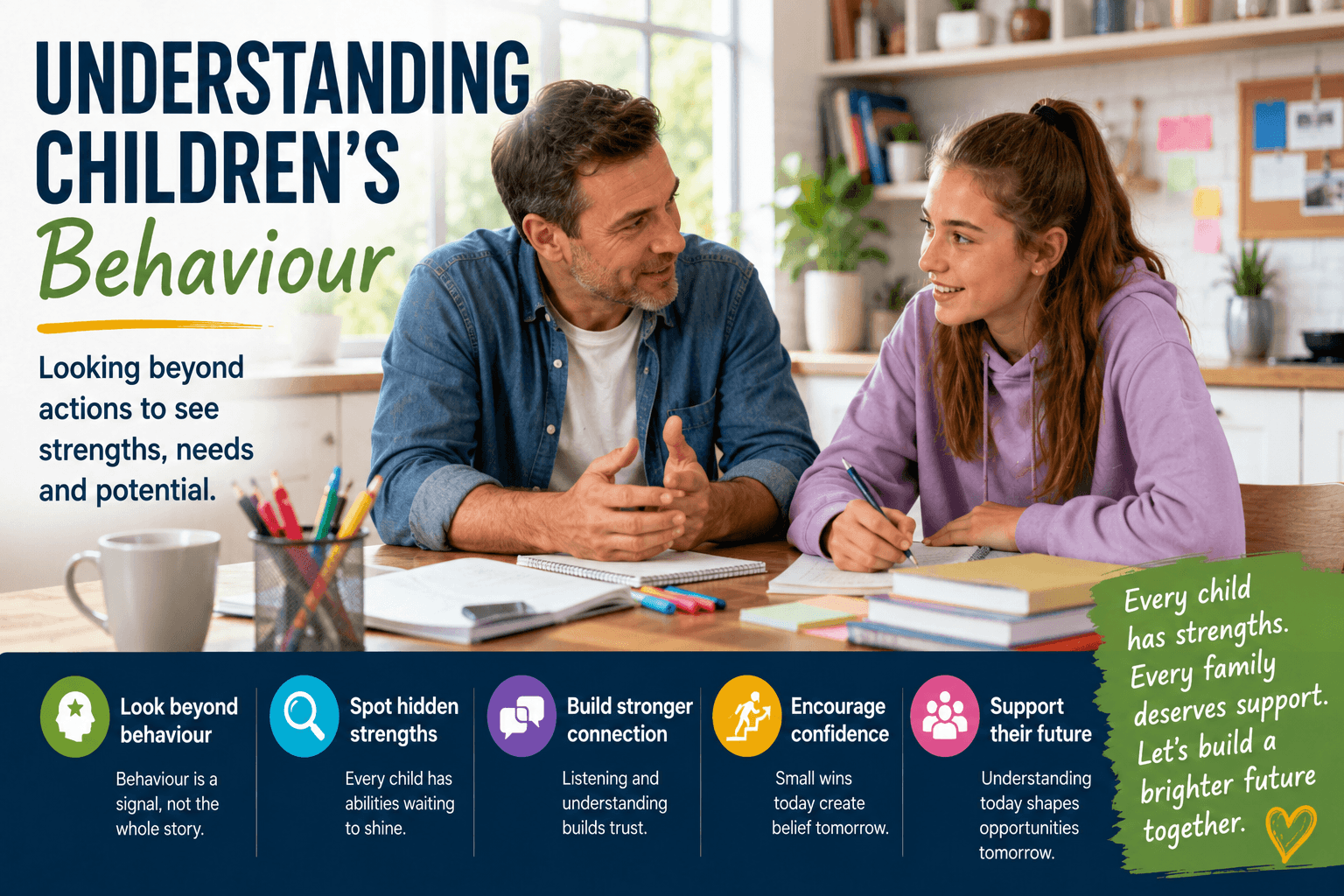
Understanding children’s behaviour begins by looking beyond actions alone. This article helps parents recognise hidden strengths, confidence needs and practical ways to support positive development.
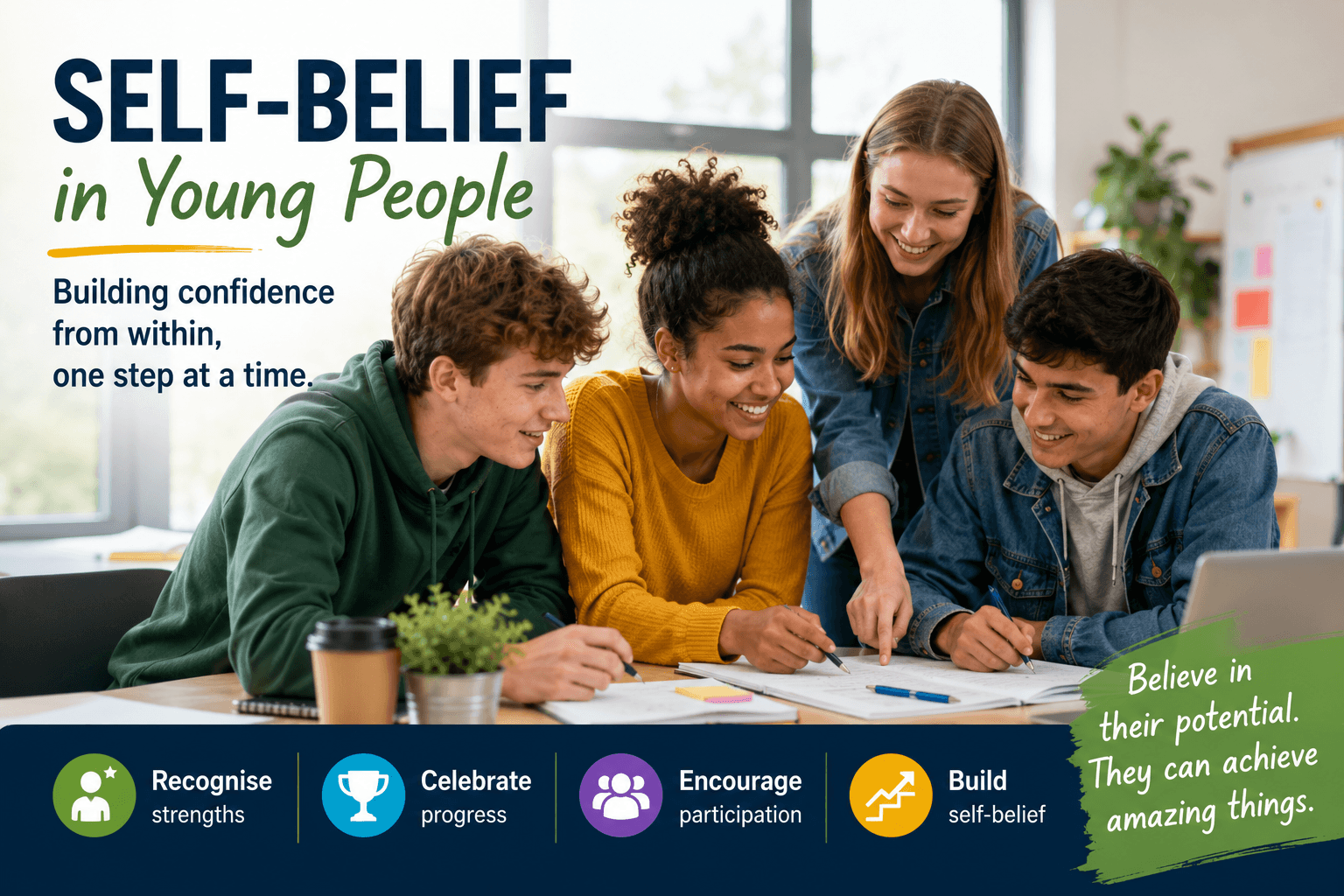
Self-belief in young people plays an important role in confidence, motivation and personal growth. Learn practical ways parents and teachers can help nurture it.

Purpose in young people helps build confidence, motivation and resilience. Learn how parents and teachers can encourage meaningful growth and participation.
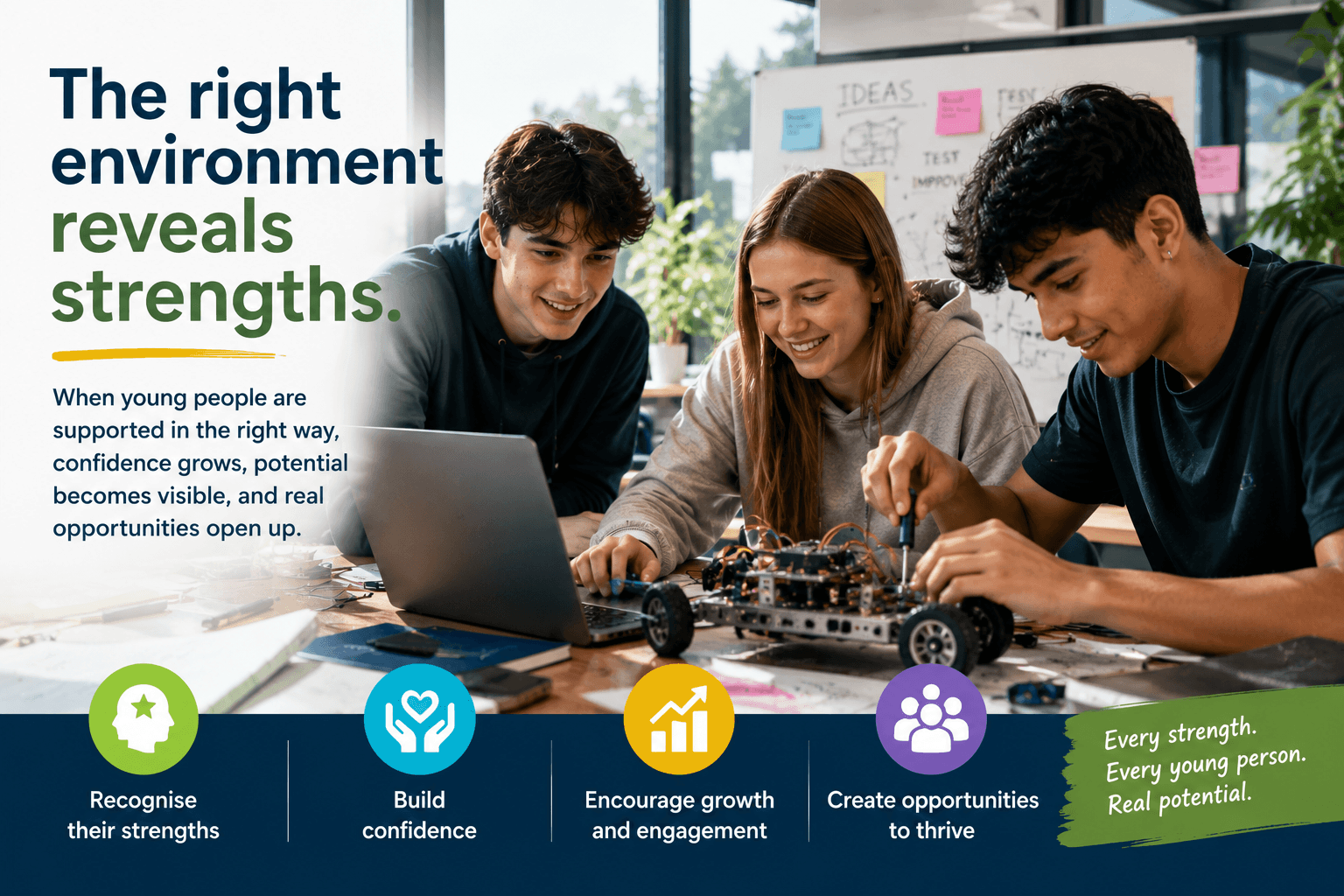
Many children and young people show their abilities in unexpected ways. This article explores how the right environment for strengths can reveal talents, build confidence, and create opportunities for meaningful contribution.
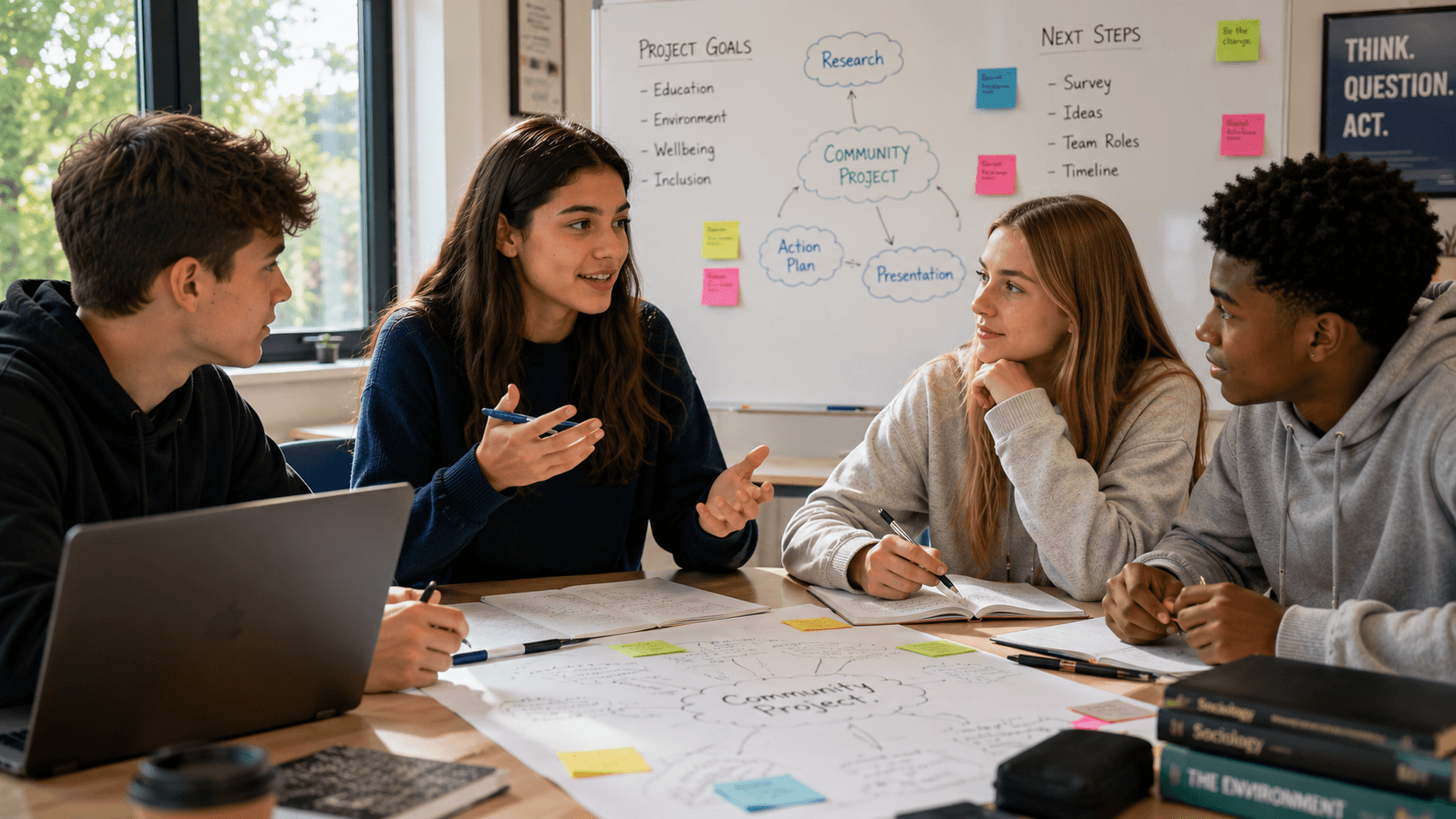
Resilience in young people is not about avoiding difficulties. It is about learning how to adapt, recover and continue growing when challenges arise. Parents, teachers and communities can all help young people develop this important life skill.

Independent thinking helps young people develop confidence, make informed decisions and engage more actively with learning and life.
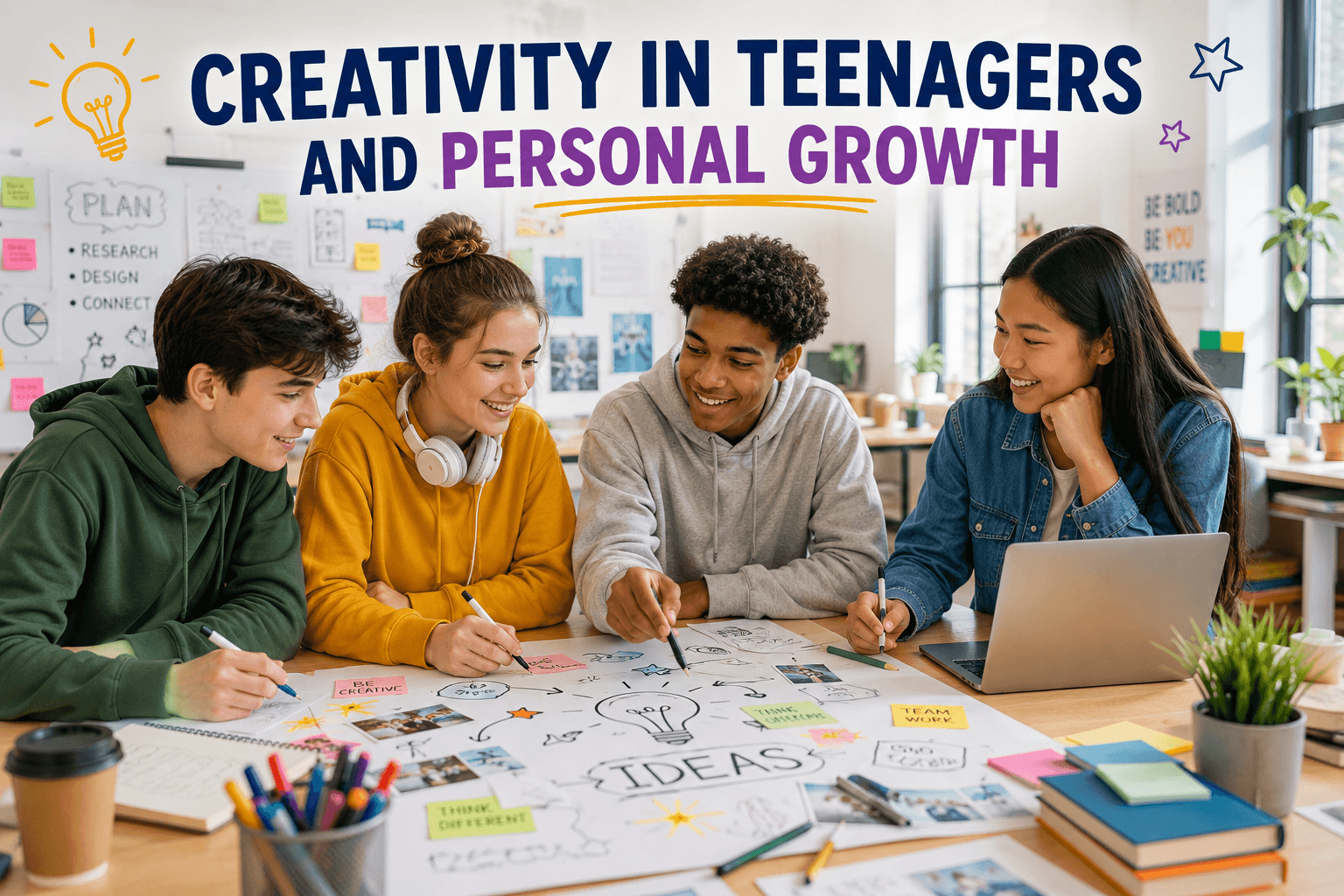
Creativity in teenagers is about far more than art or music. Discover how creative thinking supports confidence, learning, participation and personal development.
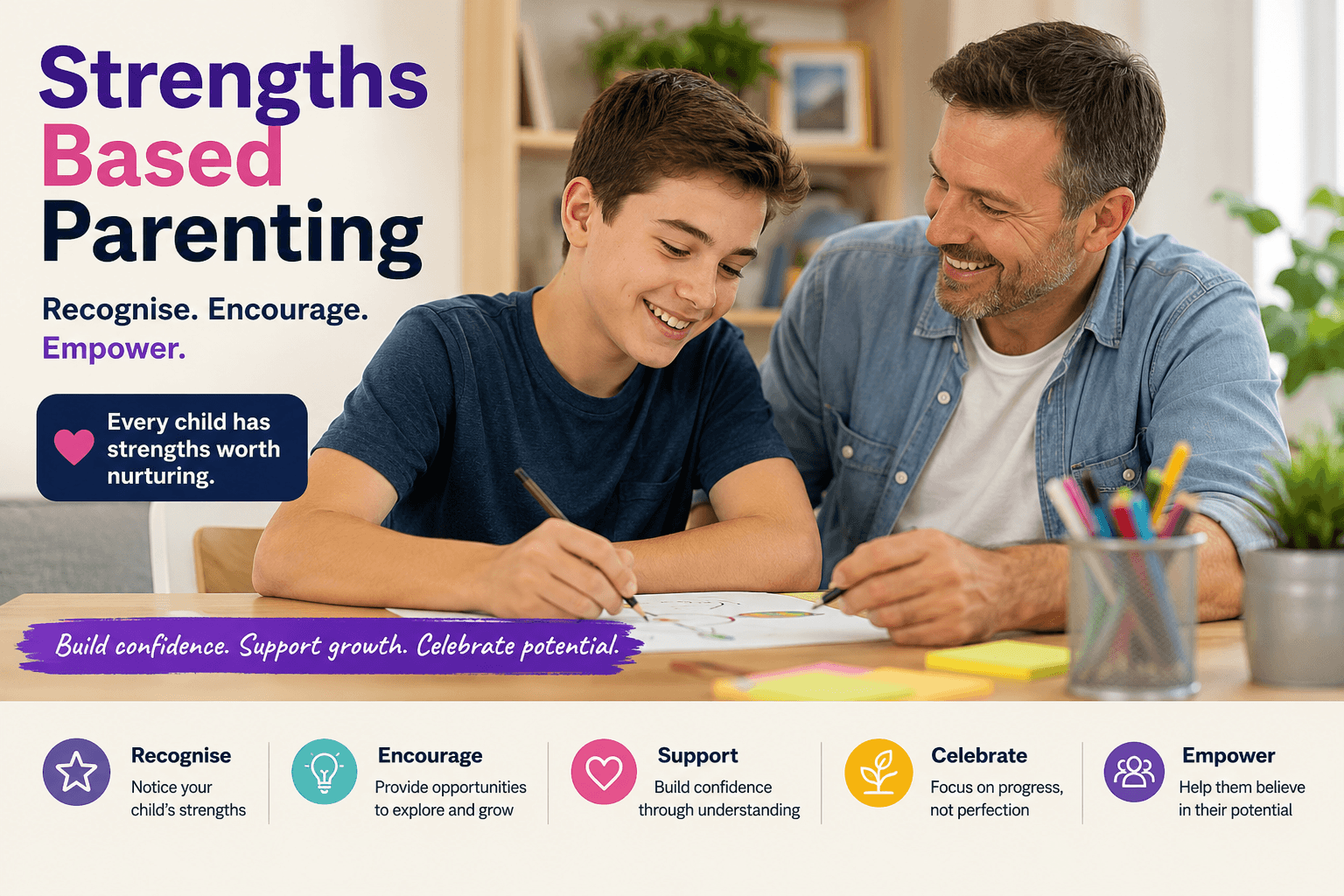
Discover how strengths based parenting helps children build confidence, develop resilience and recognise their unique abilities.
Download the FREE first chapter of The X Variable and discover every child’s hidden strengths.
Instant PDF Download
Practical Guidance